View as cards
Empatica cover
An open-source case, told as a story

Empatica

The founder story of Rosalind Picard, in 10 beats — then how the business actually works.

Scroll↓
About this case

Welcome to the open-source case for Empatica. This is a company born from a startling accident of discovery—the realization that a wearable device could detect a life-threatening seizure—and that origin story alone makes it worth studying, because it shows how rigorous engineering can turn invisible physiological signals into a genuine health guardian for people facing unpredictable events. What makes Empatica remarkable is its rare standing as the only FDA-cleared wearable seizure detection solution available for purchase in the United States, pairing serious clinical credibility with 98% detection accuracy against hospital-based EEG. To understand it fully, we look through four lenses: the Founder Story traces Rosalind Picard's path from a curious electrical engineering student to Bell Labs and MIT; the Golden Circle captures why the company exists—to protect and empower patients and families with greater control and safety; the Lean Canvas maps how it operates and earns through direct sales of its EpiMonitor device and app; and the Empathy Map brings us close to people like Sarah, who wants continuous monitoring that fits her active, independent life.

Act One

How Empatica came to be

First the arc at a glance, then the story in 10 drawn beats.
The arc · 7 milestones
  1. 1
    Bell Labs to MIT

    A curious engineer chased her dream chip-design job, then won funding to study at MIT's top program. s1

  2. 2
    Founding affective computing

    Picard pioneered emotion-and-technology research, bringing engineering rigor from emotion into health. s2

  3. 3
    The 'broken' device

    A wearable's strange spike wasn't a malfunction—it had caught a life-threatening tonic-clonic seizure. s3

  4. 4
    Seeing the epilepsy need

    The accident revealed wearables could detect dangerous seizures in daily life, not just hospitals. s3s4s5

  5. 5
    Empatica & EpiMonitor

    She co-founded Empatica and built EpiMonitor, hitting 98% accuracy against hospital-EEG gold standard. s4s5

  6. 6
    FDA clearance & Series B

    EpiMonitor won FDA clearance and Series B backing, becoming the only US-cleared seizure wearable. s5s6

  7. 7
    From detection to forecasting

    Now Boston-based, Empatica serves patients and is building a seizure-forecasting algorithm from real-world data. s5s7

Now the fuller story, drawn beat by beat↓
Illustration: Once upon a time...
01 / 10
Once upon a time...

Rosalind Picard was a curious electrical engineering student who wanted to understand how computers worked, eventually landing her dream job designing the most advanced computer chips at AT&T Bell Labs after earning her bachelor's degree. Bell Labs agreed to fund a year of graduate study at MIT, the #1 program in her field.

“In college, I became curious about how computers work and studied electrical engineering, with extra classes in computer engineering. After my bachelors, I was excited to accept my first-choice job designing the newest most advanced computer chips at AT&T Bell Labs. They agreed to pay for a year of graduate work at MIT, which was the #1 program.”
s1
Illustration: Every day...
02 / 10
Every day...

Picard pioneered affective computing—the study of emotion and technology—but initially tried to recruit men to do the work, fearing that as a woman studying emotion, it would ruin her career. Instead, she brought rigorous engineering measurement methods to the field herself, exploring various measurements in the human body that led her beyond emotion detection to its interactions with health.

“I started to try to get men to work on it because I figured, as a woman, it would ruin my career. But that didn't happen. I just tried to bring rigorous engineering measurement methods to it. And, in the course of doing that, it led me to a lot of different things we can measure in the human body, which led me not just to measurement of emotion but to its interactions with health.”
s2
Illustration: One day...
03 / 10
One day...

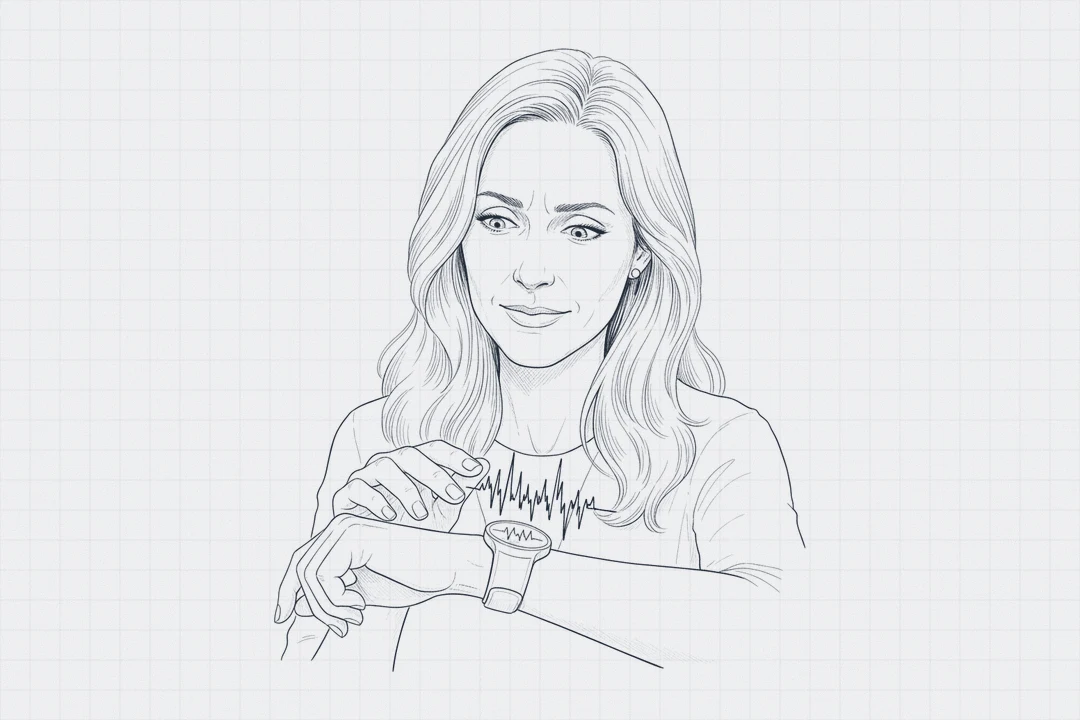
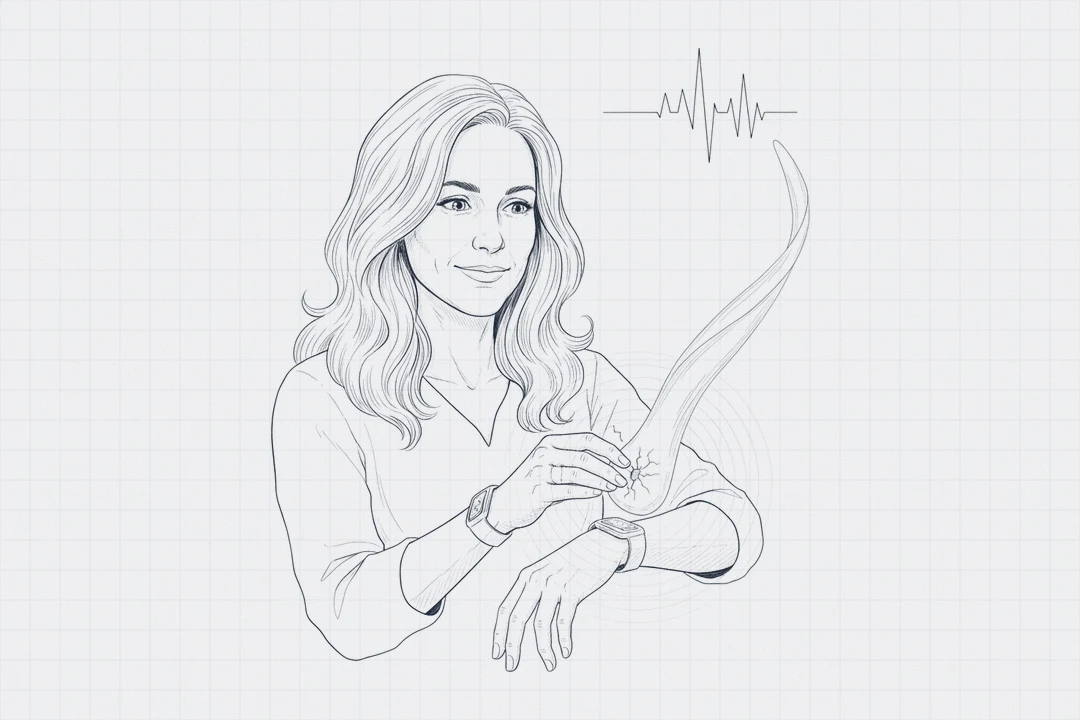
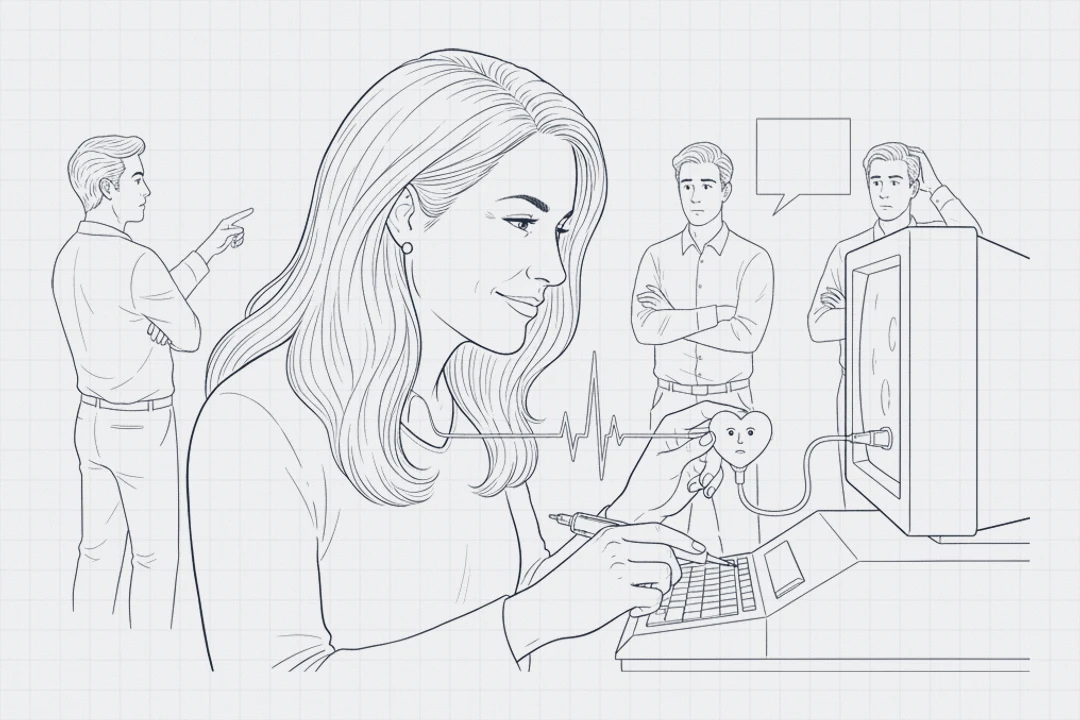
While developing a wearable device to measure physiological signals, Picard noticed something strange: the device's readings spiked dramatically. She thought the device had broken. But later investigation revealed that the wearable had inadvertently detected a tonic-clonic seizure—a life-threatening event that had been invisible to traditional monitoring.

“Roz discusses her passion for the development of wearable devices and how she inadvertently determined that the wearable device she was developing actually detected a tonic-clonic seizure. At the time she thought that the device may have broken, but later investigation showed that it had indeed identified a seizure.”
s3
Illustration: Because of that...
04 / 10
Because of that...

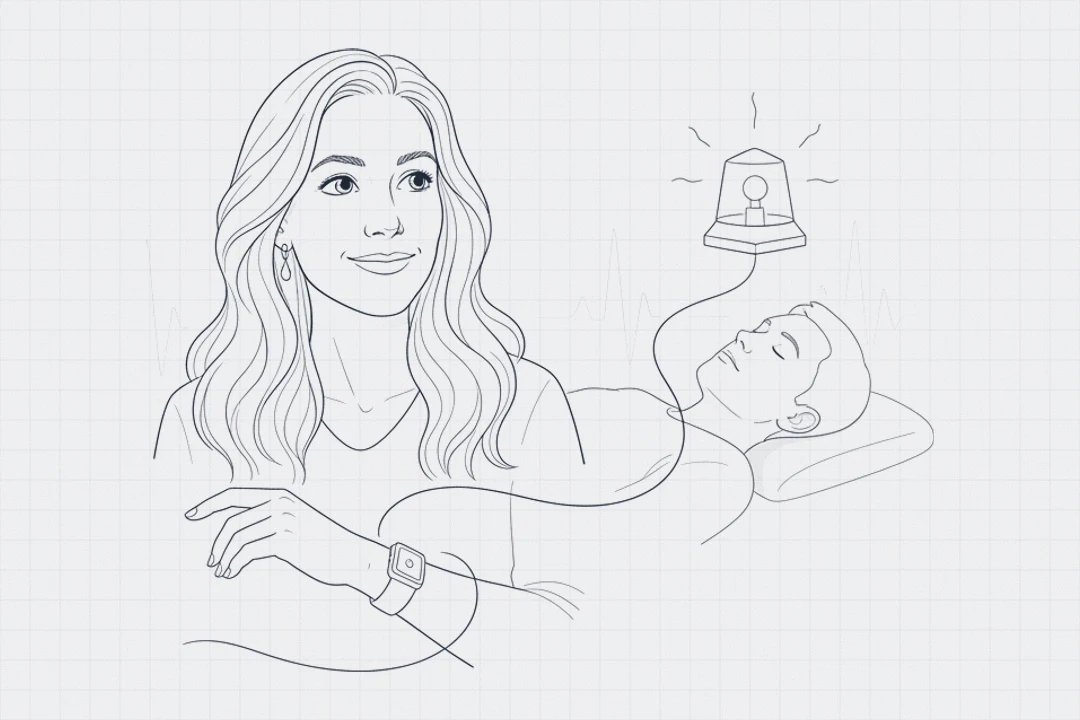
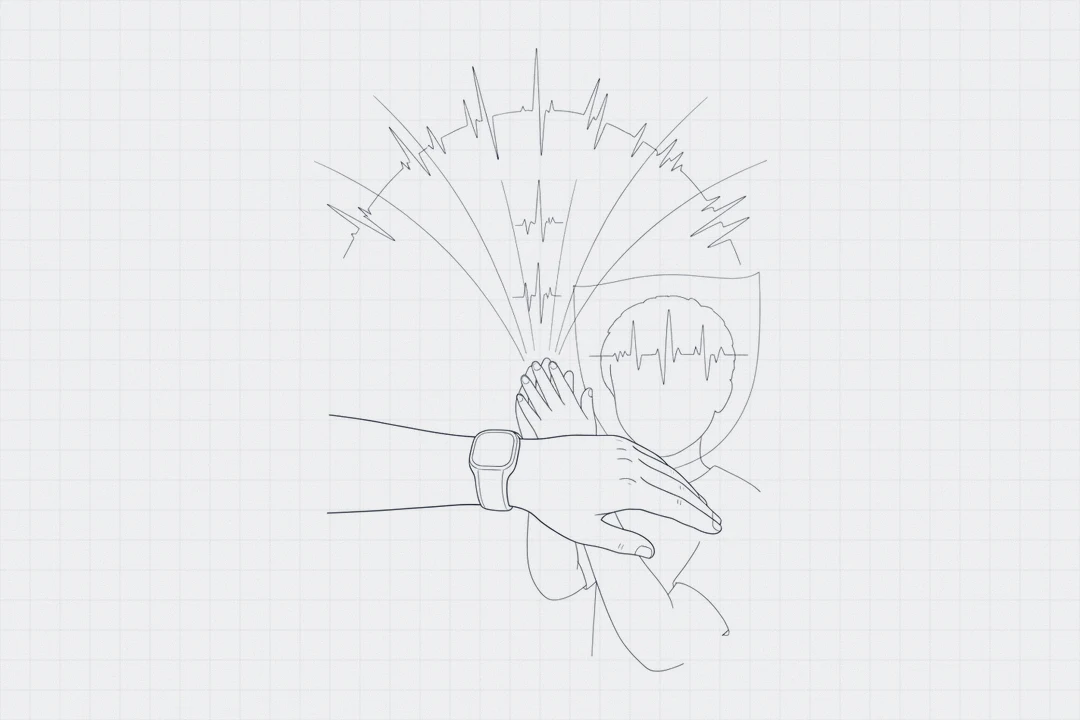
Picard realized that wearable technology could offer people with epilepsy something they desperately needed: a way to detect dangerous seizures in everyday life, not just in hospitals tethered to EEG equipment. The accidental discovery opened a pathway to continuous, unobtrusive monitoring for a population living with unpredictable, life-threatening events.

s3s4s5
Illustration: Because of that...
05 / 10
Because of that...

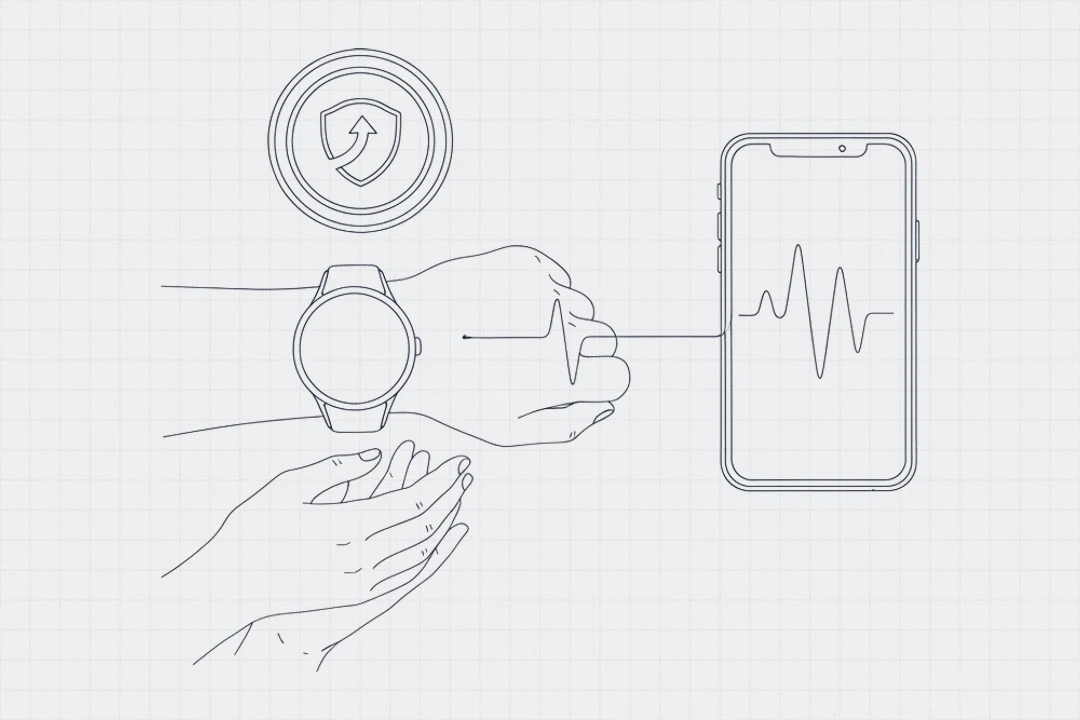
She co-founded Empatica, a digital health and AI company, to turn that breakthrough into a validated medical solution. The team developed EpiMonitor—a wearable watch and smartphone application—and subjected it to rigorous testing, achieving 98% detection accuracy against the gold standard of hospital-based EEG measurement.

“EpiMonitor has undergone rigorous validation and testing, demonstrating a 98% detection accuracy against the gold standard of hospital-based EEG measurement.”
s4s5
Illustration: Because of that...
06 / 10
Because of that...

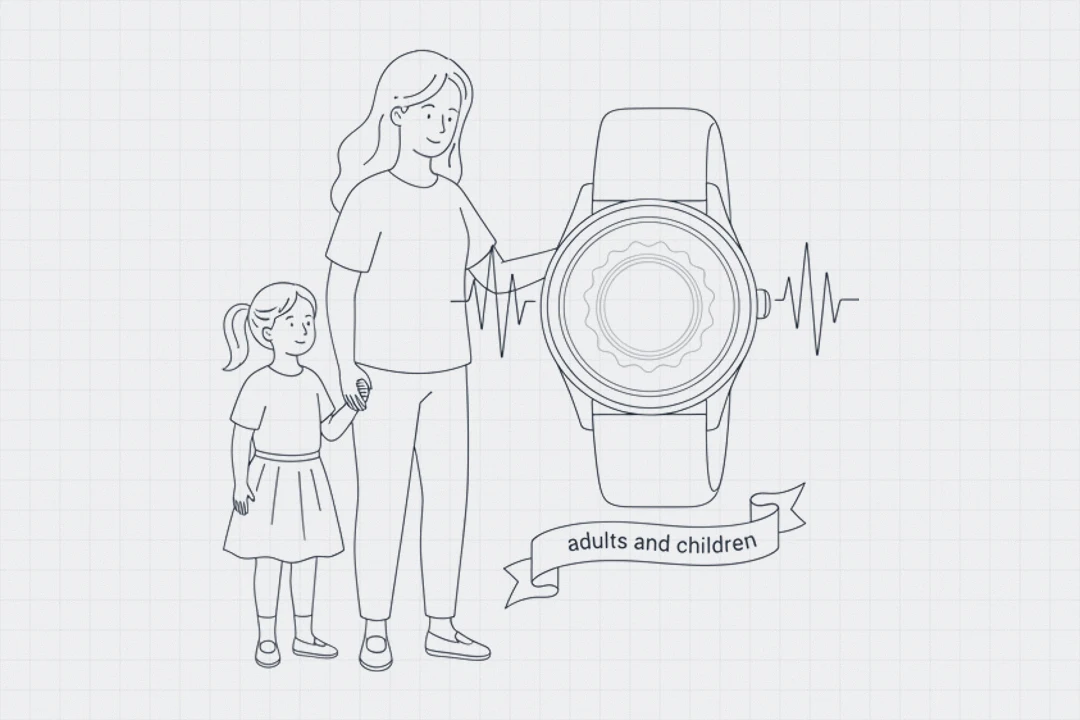
Empatica secured FDA clearance for EpiMonitor for use in adults and children aged six and up, making it the only wearable solution with regulatory clearance for seizure detection available for purchase in the United States. The company attracted Series B funding led by Sanofi Ventures and RA Capital Management to expand its suite of digital biomarkers for patient care and clinical trials.

“EpiMonitor is, according to Empatica, the only wearable solution with regulatory clearance for seizure detection available for purchase in the United States.”
s5s6
Illustration: Until finally...
07 / 10
Until finally...

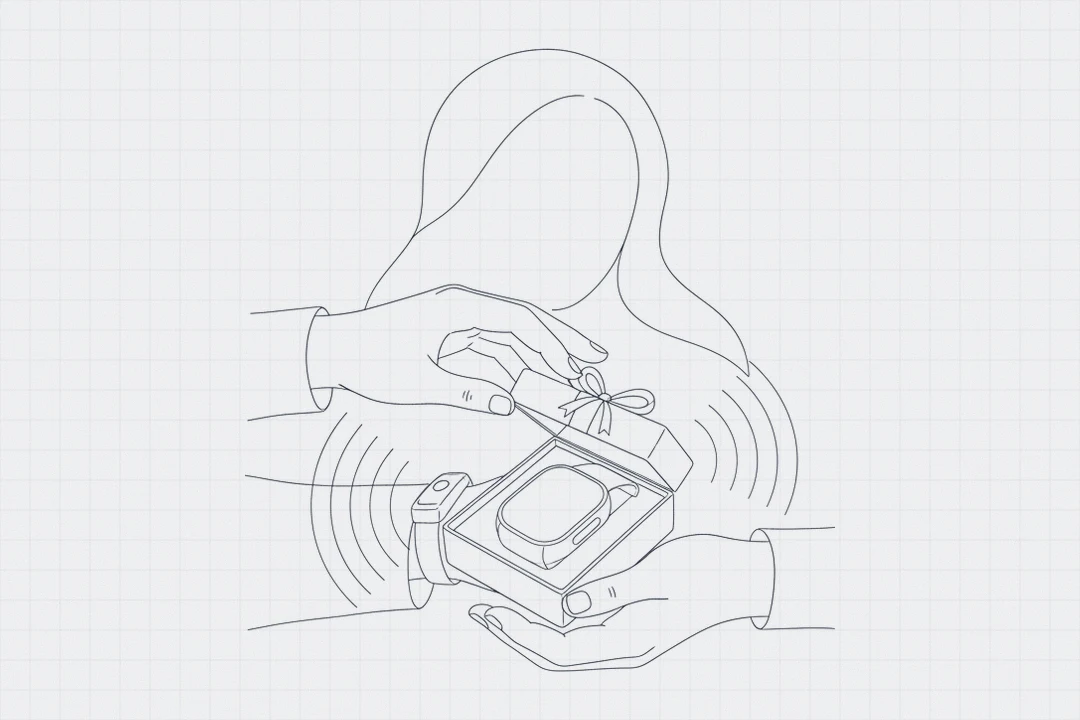
Empatica launched the next-generation FDA-cleared EpiMonitor watch to the market, offering people with epilepsy a reliable, wearable solution that detects generalized tonic-clonic seizures in real-world settings—freeing patients from the need for hospital-based monitoring and giving them greater safety and peace of mind.

s4s5
Illustration: And every day after that...
08 / 10
And every day after that...

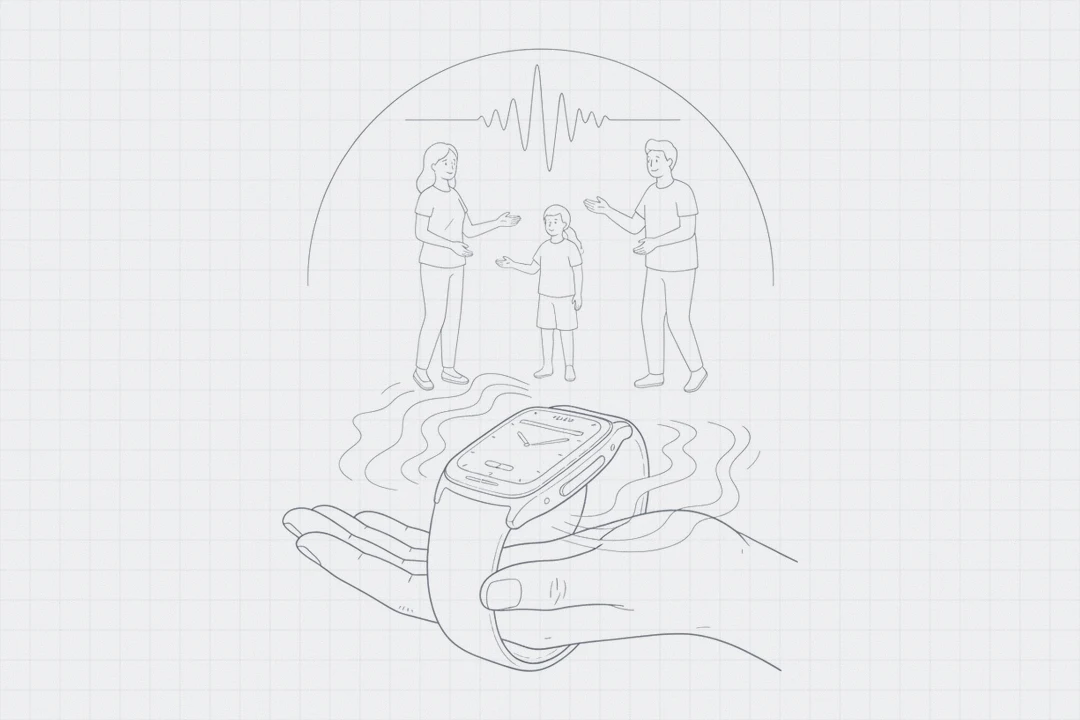
Empatica continues to serve adults and children with epilepsy through its EpiMonitor solution and is preparing to run a clinical study to develop a seizure-forecasting algorithm. Using real-world wearable data, the company aims to provide early warnings and alerts, potentially giving patients unprecedented control over their condition.

s5s7
Illustration: Reflection / realization
09 / 10
Reflection / realization

What began as a broken device turned out to be a lifesaving insight. Picard's willingness to investigate an anomaly—and to bring rigorous engineering to a field she once feared would hurt her career—unlocked a new frontier in epilepsy care, proving that compassion and measurement rigor can converge to transform lives.

s2s3
Illustration: The journey today
10 / 10
The journey today

Today, Empatica operates as a Boston-based digital health and AI company, expanding its suite of digital biomarkers for use in patient care and as digital endpoints in clinical trials. With continued investment and media recognition, the company is pushing the boundaries of wearable technology—moving from detection to forecasting—and redefining what is possible for people living with epilepsy.

s5s6s7
Act Two

Why it exists

Start at the belief at the center — then the circle zooms out through the method and the offer.

WHY

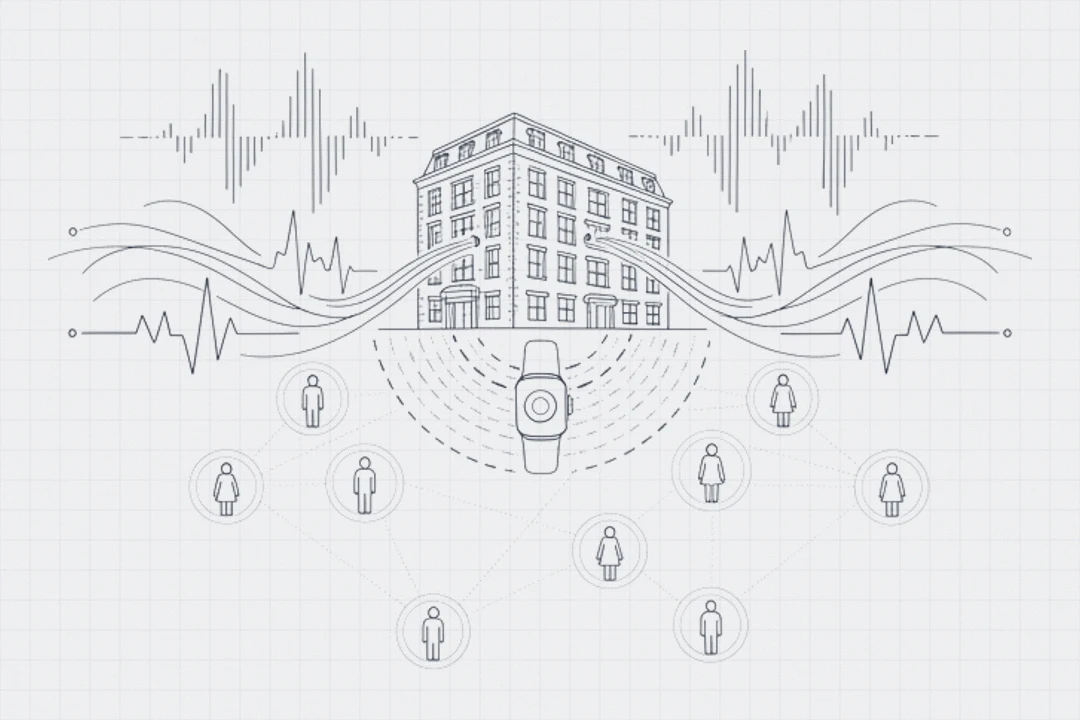
Empatica exists to protect and empower people facing unpredictable health events by making invisible physiological signals visible and actionable. The company's origin—an inadvertent discovery that a wearable device could detect a life-threatening seizure—reflects a belief that rigorous engineering can transform everyday wearables into life-changing health guardians, giving patients and families greater control and safety.

s3s2s5s7
HOW

Empatica applies rigorous engineering measurement methods to affective computing and health monitoring, bringing AI-driven digital biomarkers to wearable devices that operate continuously and unobtrusively in daily life. The company differentiates through extensive clinical validation—achieving 98% detection accuracy against hospital-based EEG gold standards—and by securing FDA regulatory clearance that makes EpiMonitor the only wearable seizure-detection solution available for purchase in the United States. This approach transforms physiological signals from the body into actionable health intelligence, expanding from emotion measurement to interactions with health and now to seizure forecasting.

s2s4s5s6
WHAT

Empatica offers EpiMonitor, an FDA-cleared seizure detection and epilepsy monitoring solution comprising an all-in-one wearable watch and smartphone application for detecting possible generalized tonic-clonic seizures in adults and children aged six and up. The company also provides a suite of digital biomarkers for use in patient care and as digital endpoints in clinical trials. Empatica is preparing to run a clinical study to develop a seizure-forecasting algorithm that uses wearable data to provide early warnings and alerts for people with epilepsy.

s4s5s6s7
Act Three

Who it serves

Step into one customer’s world — the person the whole business is built around.

Illustration of Sarah
Meet
Sarah
32-year-old marketing professional with epilepsy
Sarah is an adult living with epilepsy who experiences generalized tonic-clonic seizures. She needs reliable, continuous monitoring that fits into her active lifestyle without the constraints of hospital equipment. She wants to maintain her independence while ensuring her safety and the peace of mind of her family.
What they SEESees
She sees that traditional monitoring means impractical hospital EEG, while media coverage marks EpiMonitor as the only FDA-cleared option in the U.S.
from the empathy map
  • Sees that traditional seizure monitoring requires hospital-based EEG equipment that is invasive and impractical for everyday life s4
  • Sees media coverage and industry recognition of Empatica's FDA-cleared technology as validation of the device's credibility s5s7
  • Observes that other wearables lack regulatory clearance for seizure detection in the U.S., making EpiMonitor stand out as the only approved option s5
  • Notices growing investment and research in digital health and AI-driven monitoring solutions for epilepsy s6s7
What they HEARHears
She hears that EpiMonitor is the only FDA-cleared wearable for seizure detection sold in the U.S., echoed through publications and epilepsy advocacy voices.
from the empathy map
  • Hears that EpiMonitor is the only wearable solution with FDA regulatory clearance for seizure detection available for purchase in the United States s5
  • Hears about Empatica's technology through media coverage, medical device industry publications, and epilepsy advocacy organizations like Voices for Epilepsy s3s5s7
  • Hears from healthcare providers and the epilepsy community about the rigorous testing and validation behind the device s4
What they SAYSays
She says she needs a solution that works in real life, not just a hospital, and longs for early warnings that would let her feel more in control.
from the empathy map
  • Says she needs a monitoring solution that works in real life, not just in a hospital, so she can go to work and live normally s4s5
  • Expresses desire for a device that is accurate and trustworthy, backed by rigorous testing and FDA clearance s4s5
  • Talks about wanting early warnings before seizures happen, so she could take precautions and feel more in control s7
What they DODoes
She wears EpiMonitor continuously through her day and uses the paired app to track and receive alerts about possible seizures.
from the empathy map
  • Wears the EpiMonitor device continuously throughout daily activities for unobtrusive, real-time seizure monitoring s4s5
  • Uses the smartphone application paired with the wearable to track and receive alerts about potential generalized tonic-clonic seizures s4s5
  • Relies on the device instead of hospital-based EEG equipment for day-to-day seizure detection s4
Act Four

How it makes money

The business model in seven moves — each one drawn, each one cited.
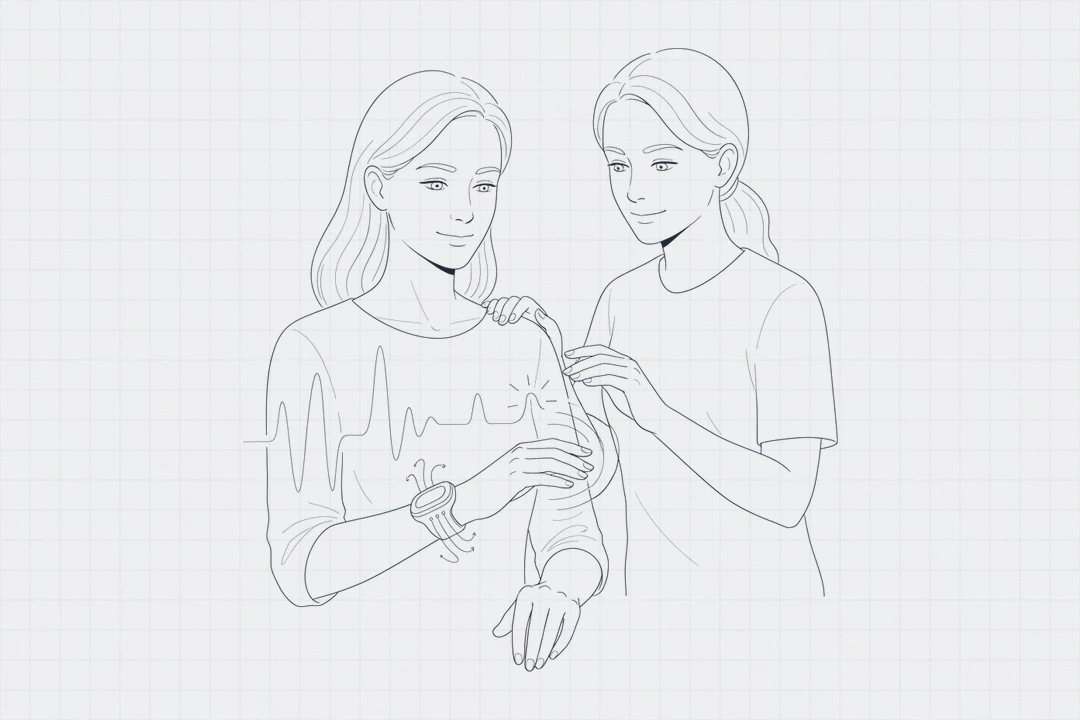
Illustration: Problem & customer
Problem & customer 1 / 7
Adults and children aged six and up with epilepsy carry the weight of unpredictable generalized tonic-clonic seizures, yet hospital-based EEG tethers them to the clinic and disrupts everyday life.
Problem
The pain in the market
  • People with epilepsy experience unpredictable generalized tonic-clonic seizures that require continuous monitoring, but hospital-based EEG equipment is not practical for daily life—it tethers patients to clinical settings and disrupts normal activities. s4s5s7
  • Before accessible wearable technology emerged, patients lacked accurate, unobtrusive tools to detect seizures outside clinical environments, leaving them without real-time alerts or reliable home monitoring. s3s4s5
  • Seizures strike without warning, creating anxiety and safety risks; people with epilepsy need early warning systems to gain greater control and protection in their daily lives. s7
Customer
Who lives with that pain
  • Adults and children aged six and up with epilepsy who need reliable detection of generalized tonic-clonic seizures. s5
  • Pharmaceutical companies and clinical trial sponsors seeking validated digital biomarkers and digital endpoints for epilepsy and other neurological conditions. s6
  • Patients who require continuous, unobtrusive health monitoring that does not disrupt daily life and can operate outside hospital settings. s4s5
Illustration: Value & solution
Value & solution 2 / 7
EpiMonitor answers with the only FDA-cleared wearable seizure detection you can buy in the U.S.—an all-in-one watch and app delivering 98% accuracy against hospital EEG, so people can live freely while protected.
Unique value proposition
The belief the brand is built on
  • The only FDA-cleared wearable seizure detection solution available for purchase in the United States, delivering 98% detection accuracy against the gold standard of hospital-based EEG measurement. s4s5
  • Continuous, unobtrusive AI-driven remote health monitoring that allows people with epilepsy to live freely while being protected by clinically validated technology. s4s5
Solution
How that belief reaches the market
  • EpiMonitor: an FDA-cleared, all-in-one wearable watch and smartphone application that detects possible generalized tonic-clonic seizures and monitors epilepsy in real time. s4s5
  • A seizure-detection algorithm rigorously validated and tested to achieve 98% detection accuracy against hospital-based EEG, enabling reliable alerts without clinical equipment. s4
  • A seizure-forecasting algorithm in development that will use wearable data to provide early warnings and alerts, giving patients advance notice of potential seizures. s7
  • An expanding suite of digital biomarkers for use in patient care and as digital endpoints in clinical trials, leveraging AI and continuous wearable monitoring. s6
Illustration: Channels
Channels 3 / 7
Empatica reaches patients through direct-to-consumer sales in the U.S., amplified by media recognition in MD+DI, MedTech Dive and Voices for Epilepsy, plus pharma partnerships and investor networks.
  • Direct-to-consumer sales in the United States, allowing patients to purchase the EpiMonitor wearable and smartphone application solution. s4s5
  • Media coverage and industry recognition through publications such as MD+DI, MedTech Dive, SUCCESS Magazine, and epilepsy advocacy platforms like Voices for Epilepsy. s1s2s3s5s7
  • Partnerships with pharmaceutical companies and clinical trial sponsors for digital biomarker validation and deployment in research settings. s6
  • Investor and venture capital networks, as evidenced by Series B funding from Sanofi Ventures, RA Capital Management, and Black Opal Ventures, which amplify market presence. s6
Illustration: Revenue
Revenue 4 / 7
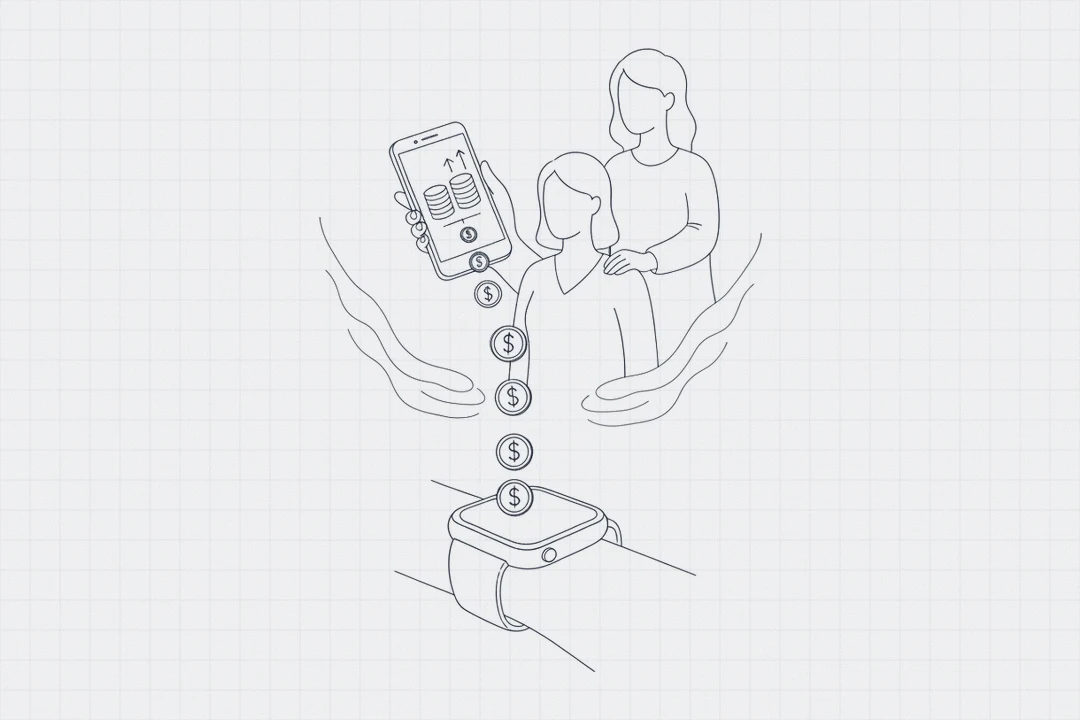
Empatica earns from direct sales of the EpiMonitor wearable and app to people with epilepsy, and from licensing digital biomarkers and endpoints to pharmaceutical and clinical-trial sponsors.
  • Sales of the EpiMonitor wearable device and smartphone application directly to consumers (adults and children aged six and up with epilepsy) in the United States. s4s5
  • Licensing or provision of digital biomarkers and digital endpoints to pharmaceutical companies and clinical trial sponsors for use in patient care and research. s6
  • Future revenue from premium features such as seizure-forecasting algorithms, which are in development and will provide early warning alerts based on real-world wearable data. s7
Illustration: Costs
Costs 5 / 7
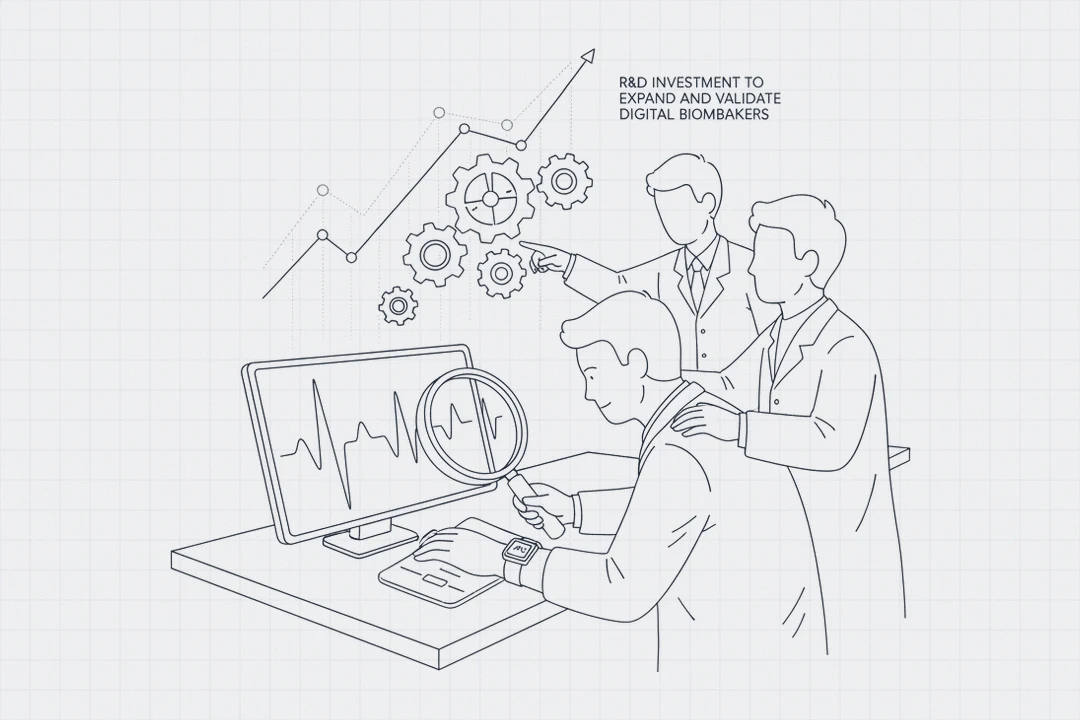
Running Empatica means R&D to validate its algorithms, regulatory and clinical-validation costs to hold FDA clearance, wearable manufacturing, and sales and education to reach patients and partners.
  • Research and development investment to expand the suite of digital biomarkers, validate seizure-detection algorithms, and develop the seizure-forecasting algorithm through clinical studies. s6s7
  • Regulatory and clinical validation costs associated with achieving and maintaining FDA clearance and demonstrating 98% detection accuracy against hospital-based EEG standards. s4s5
  • Manufacturing and supply chain costs for producing the all-in-one wearable hardware and maintaining the smartphone application platform. s4s5
  • Sales, marketing, and customer education expenses to reach adults and children with epilepsy and to establish partnerships with pharmaceutical and clinical trial organizations. s4s5s6
Illustration: Key metrics
Key metrics 6 / 7
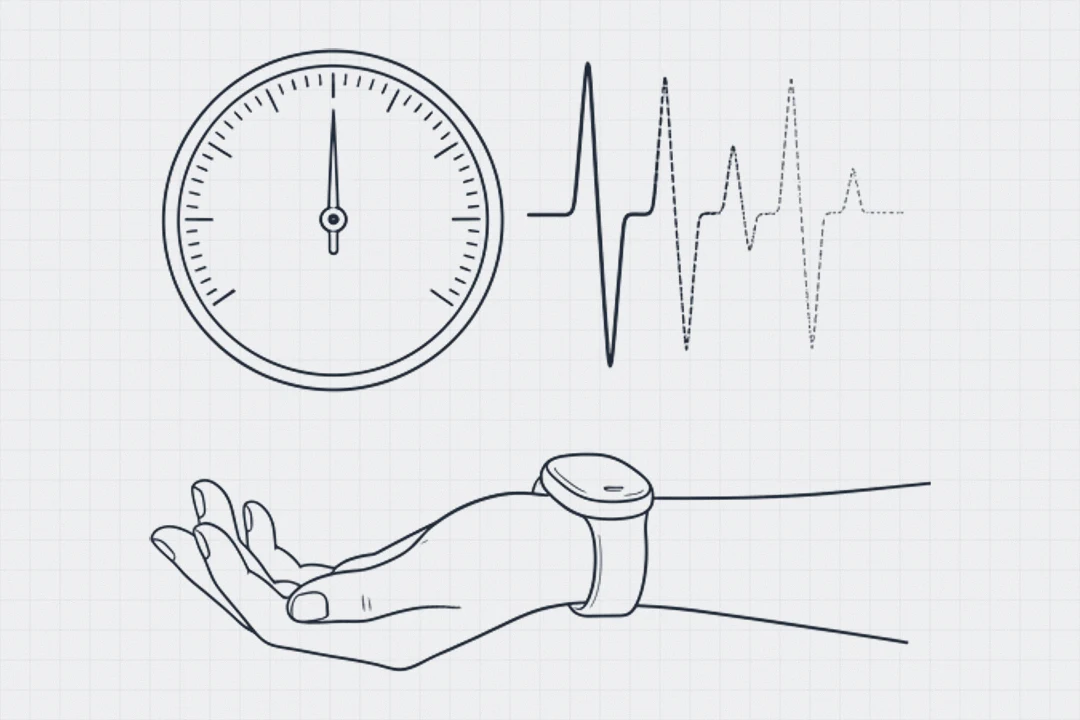
The proof is 98% detection accuracy against the gold standard of hospital-based EEG measurement.
  • Detection accuracy rate: EpiMonitor demonstrates 98% detection accuracy against the gold standard of hospital-based EEG measurement. s4
  • Number of devices sold and active users (adults and children with epilepsy) continuously monitored via the EpiMonitor wearable and smartphone application. s4s5
  • Number of digital biomarker partnerships and clinical trial integrations with pharmaceutical companies and research organizations. s6
  • Progress milestones on the seizure-forecasting algorithm clinical study, including validation accuracy and time-to-market for predictive alerts. s7
Illustration: Unfair advantage
Unfair advantage 7 / 7
Empatica holds exclusive FDA clearance as the only seizure-detection wearable for sale in the U.S., grounded in Rosalind Picard's rigorous engineering and the serendipitous discovery that wearables can detect seizures.
  • Exclusive FDA clearance: EpiMonitor is the only wearable solution with regulatory clearance for seizure detection available for purchase in the United States, creating a significant regulatory moat. s5
  • Founder Rosalind Picard's pioneering work in affective computing and rigorous engineering measurement methods, combined with the serendipitous discovery that wearable sensors can detect seizures, gives Empatica deep domain expertise and proprietary algorithms. s2s3
  • Strategic investor backing from Sanofi Ventures, RA Capital Management, and Black Opal Ventures provides not only capital but also pharmaceutical industry connections and credibility for clinical trial endpoints. s6
  • Years of rigorous clinical validation data and real-world wearable datasets that enable the development of advanced features like seizure forecasting, which competitors without this data cannot easily replicate. s4s7
The receipts

Every claim, tethered to a real source

  1. s1Wearables, Affective Computing, and Empatica's Life-Changing Technology: An Interview with Rosalind Picard — https://www.blackopalventures.com/post/in-conversation-with-rosalind-picard-wearables-affective-computing-empatica-s-life-changing-techn
  2. s2Scientist and Engineer Rosalind Picard Is Transforming Digital Health with Wearable AI - SUCCESS Magazine — https://www.success.com/professor-rosalind-picard-empatica-embrace/
  3. s3Rosalind Picard, M.I.T. and Empatica - Voices for Epilepsy — https://www.sailforepilepsy.org/voices-for-epilepsy/rosalind-picard-m-i-t-and-empatica/
  4. s4EpiMonitor by Empatica | Welcome to the future of epilepsy monitoring — https://www.empatica.com/epimonitor/
  5. s5Empatica Launch Next-Gen FDA-Cleared Epilepsy Watch - MD+DI — https://www.mddionline.com/wearable-medical-devices/empatica-launch-next-gen-fda-cleared-epilepsy-watch
  6. s6Empatica Raises Series B Funding - FinSMEs — https://www.finsmes.com/2022/11/empatica-raises-series-b-financing.html
  7. s7Empatica aims to develop seizure-forecasting algorithm based on wearable data - MedTech Dive — https://www.medtechdive.com/news/empatica-study-seizure-forecasting-algorithim/701241/