View as cards
Fedmart cover
An open-source case, told as a story

Fedmart

The founder story of Sol Price, in 10 beats — then how the business actually works.

Scroll↓
About this case

Welcome to the open-source case for Fedmart. Its story is worth the treatment because Sol Price—a Bronx-born son of Russian Jewish immigrants who practiced law for sixteen years and knew nothing about retail—turned that outsider's disadvantage into a radical idea: that a merchant could represent customers with the same fiduciary loyalty an attorney owes clients, transforming the retailer from adversary into trusted advocate. The Founder Story traces how a lawyer with no retail experience came to redefine the trade, while the Golden Circle captures the why beneath it—the conviction that FedMart owed its members professional loyalty, always. The Lean Canvas shows the mechanics that made it work, from the $2-per-family membership fee that built recurring revenue and exclusivity, and the Empathy Map brings us close to members like Robert Martinez, a mid-level San Diego government employee who paid that fee to stretch a modest civil service salary across groceries, household goods, gasoline, and pharmacy services. Together, these four lenses offer a faithful portrait of a company that treated its customers as clients worth defending.

Act One

How Fedmart came to be

First the arc at a glance, then the story in 10 drawn beats.
The arc · 7 milestones
  1. 1
    Lawyer, not a retailer

    Sol Price spent sixteen years as an attorney, knowing nothing about retail—his greatest advantage. s1s4

  2. 2
    The warehouse moment

    In 1954 a vacant San Diego warehouse sparked a question: what if a retailer owed customers a fiduciary duty? s1s3s4s7

  3. 3
    The $50,000 start

    FedMart opened as a 'low margin retailer' funded by members' $2 fees, marking up as little as possible. s3s5

  4. 4
    Rewriting the rules

    Unburdened by dogma, FedMart pioneered wholesale gas and in-store pharmacies, earning quadruple projections. s5s4s3

  5. 5
    45 stores, then Price Club

    FedMart grew to 45 stores and $300M in sales before closing; Price then launched the warehouse club in 1976. s5s6

  6. 6
    The blueprint copied

    Walmart, Kmart, Costco and Sam's Club all borrowed the formats Price pioneered. s6s2

  7. 7
    Father of the warehouse

    Price died in 2009, remembered for a fiduciary model that changed how the world shops. s2s6s5

Now the fuller story, drawn beat by beat↓
Illustration: Once upon a time...
01 / 10
Once upon a time...

Sol Price was the son of Russian Jewish immigrants, born in the Bronx in 1916. He graduated high school at fifteen, earned law degrees from USC in 1938, and worked as an attorney for sixteen years. He knew nothing about retail—and that would turn out to be his greatest advantage.

“Sol Price, born in the Bronx in New York City on January 23, 1916, was the son of Russian Jewish immigrants. He graduated from San Diego High School in 1931 at age fifteen, earned law degrees from USC in 1938”
s1s4
Illustration: Every day...
02 / 10
Every day...

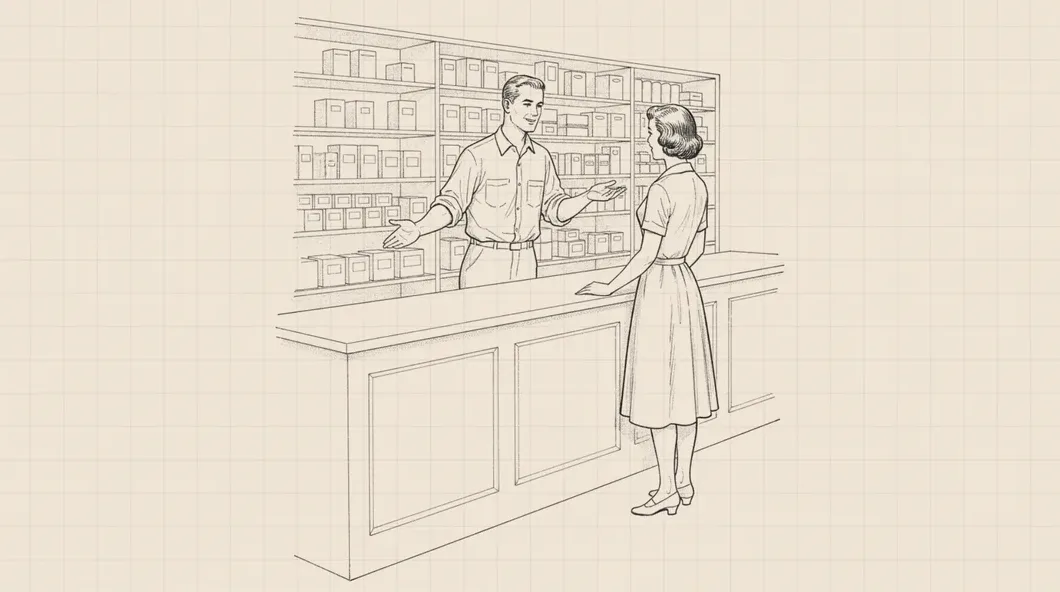
Most retailers in the 1950s saw customers as adversaries—bodies to be sold to, margins to be maximized. The relationship was transactional, adversarial, built on information asymmetry. Retailers marked up as much as the market would bear, and customers had little choice but to pay.

s7s3
Illustration: One day...
03 / 10
One day...

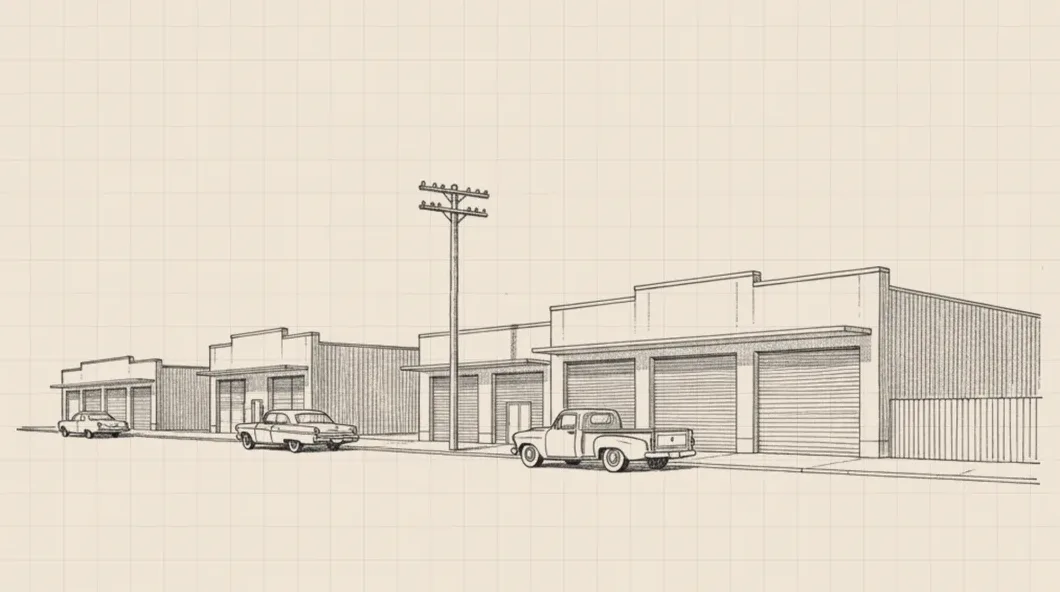
In 1954, Price's client Mandell Weiss invited him to visit Fedco in Los Angeles. Around the same time, Price's father-in-law died, and he advised his mother-in-law to purchase a warehouse in southeast San Diego that needed a tenant. Standing in that vacant warehouse on Main Street, Price saw an opportunity: what if a retailer treated customers the way an attorney treats clients—with a fiduciary duty?

“After his client Mandell Weiss invited him to visit Fedco in Los Angeles, Price opened FedMart in 1954 in his mother-in-law's vacant warehouse on Main Street.”
s1s3s4s7
Illustration: Because of that...
04 / 10
Because of that...

Price opened FedMart in 1954 with just $50,000 in capital—a sum so modest it reflected his lack of preconceived notions about what retail required. He positioned FedMart not as a discount store, but as a 'low margin retailer,' marking up products as little as possible. Government employees paid a $2 per family membership fee, creating a defined community of value-conscious shoppers who became members, not just customers.

“When we didn't know what we were doing, it only took $50,000 to start a business.”
s3s5
Illustration: Because of that...
05 / 10
Because of that...

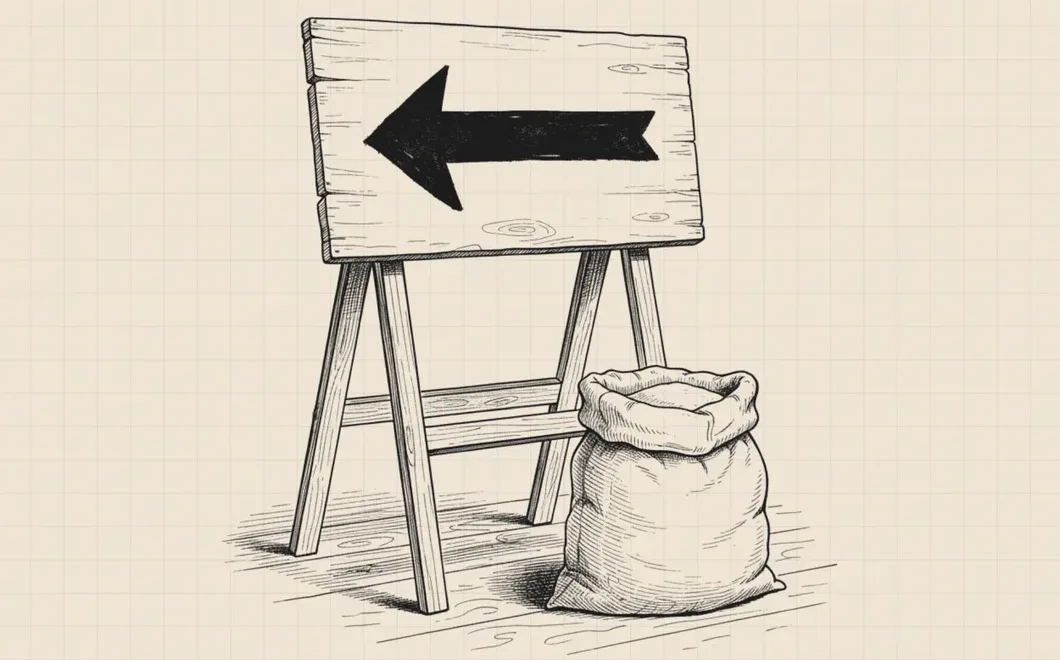
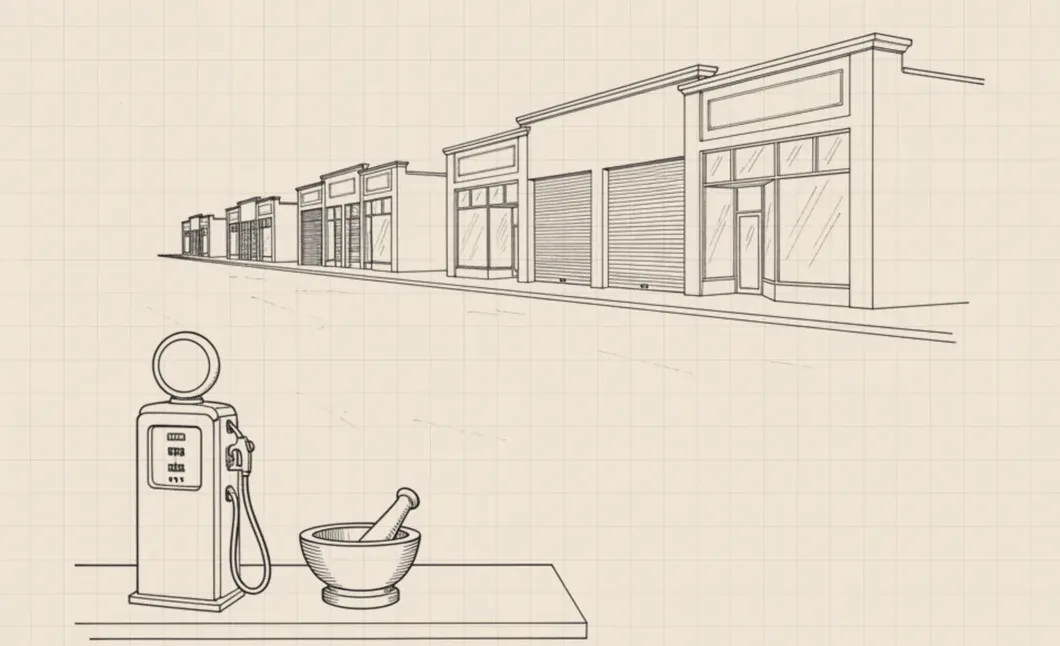
Price's team, unburdened by retail dogma, pioneered practices the industry had never seen. FedMart became the first retailer to sell gasoline at wholesale prices and the first to open an in-store pharmacy. When Safeway sold sugar below cost, Price put up signs telling customers to buy it there instead—a move that shocked his managers but proved his commitment to the fiduciary model. In its first year, FedMart earned four times more than investors had projected.

“When Safeway sold sugar below cost, Sol put up signs: 'Sugar is cheaper at Safeway this week. Go buy it there.'”
s5s4s3
Illustration: Because of that...
06 / 10
Because of that...

The fiduciary retail model worked. Over twenty years, FedMart grew to 45 stores across California and the Southwest, generating over $300 million in annual sales. Price combined low prices with high wages and great benefits for employees, proving the model was sustainable for everyone—customers, workers, and the business itself. But FedMart eventually closed, and Price would go on to found Price Club in 1976, pioneering the warehouse club format.

“Sol Price revolutionized large-scale retailing by combining low prices with a paid membership model, while also paying high wages and great benefits.”
s5s6
Illustration: Until finally...
07 / 10
Until finally...

Price's innovations at FedMart and Price Club became the blueprint for modern retail. When Walmart, Kmart, and Target launched in 1962, they copied the retail format Price had pioneered at FedMart in 1954. When Costco and Sam's Club launched in 1983, they adopted the warehouse club model Price had created with Price Club. Sam Walton himself admitted he 'borrowed as many ideas from Sol Price as from anybody else in the business.' Jim Sinegal, founder of Costco, called Price his mentor.

“Sam Walton wrote that he 'borrowed as many ideas from Sol Price as from anybody else in the business.'”
s6s2
Illustration: And every day after that...
08 / 10
And every day after that...

Millions of shoppers walked into warehouses and membership clubs built on Price's model, though few knew his name. They bought gasoline at cost, filled prescriptions in-store, and trusted that the retailer was on their side—all innovations Price introduced. Employees were taught, not trained, hired for intelligence rather than obedience, empowered to make the right call. The fiduciary model had become the foundation of an industry.

s5s4s6
Illustration: Reflection / realization
09 / 10
Reflection / realization

Price's deepest insight was that ignorance could be a superpower. His lack of retail experience freed him from industry orthodoxy, allowing him to reimagine the customer relationship from first principles. By applying the ethical framework of his legal training—fiduciary duty—to retail, he fundamentally shifted the power dynamic. Retailers didn't have to be adversaries. They could be advocates.

“Fortunately, most of us had backgrounds that were alien to retailing. We didn't know what wouldn't work or what we couldn't do.”
s1s4s7
Illustration: The journey today
10 / 10
The journey today

FedMart closed its doors decades ago, but Sol Price, who passed away on December 14, 2009, is remembered as the 'father' of the warehouse store retail model. His creative brilliance changed the way the world shops. The fiduciary model he invented—treating customers as clients, marking up as little as possible, paying employees well—lives on in Costco, Walmart, and countless retailers who borrowed his ideas. Price proved that doing right by customers and employees wasn't just ethical. It was the best business model ever invented.

“Sol Price (January 23, 1916 – December 14, 2009) was an American retailer and the founder of FedMart, Price Club (which ultimately merged into Costco) and PriceSmart. He was considered the 'father' of the 'warehouse store' retail model.”
s2s6s5
Act Two

Why it exists

Start at the belief at the center — then the circle zooms out through the method and the offer.

WHY

FedMart existed to serve customers with fiduciary loyalty—representing them as a professional advocate, not as an adversary. Price believed the retailer owed members the same duty an attorney owes clients: to act in their best interest, always. This belief redefined the very nature of retail, shifting the merchant from opponent to trusted representative.

s4s7
HOW

FedMart operated as a low-margin retailer, marking up products as little as possible to pass maximum value to members. It ran on a membership model that created commitment and exclusivity, charged $2 per family to government employees initially, and pioneered innovations like wholesale gasoline and in-store pharmacies. Price hired intelligent people who could think independently rather than follow scripts, paying high wages and great benefits while keeping overhead lean. His lack of retail experience became a superpower: ignorance freed the team to innovate without industry constraints.

s3s4s5s6
WHAT

FedMart was a discount department store that sold a wide range of merchandise at the lowest possible markup, initially to government employees who paid a $2 membership fee. It was the first retailer to sell gasoline at wholesale prices and the first to open an in-store pharmacy. Over 20 years, FedMart grew to 45 stores, mostly in California and the Southwest, generating over $300 million in annual sales before it closed.

s5
Act Three

Who it serves

Step into one customer’s world — the person the whole business is built around.

Illustration of Robert Martinez
Meet
Robert Martinez
38-year-old government employee (civil service worker)
Robert was a mid-level government employee in San Diego in the 1960s, supporting a family on a modest civil service salary. He valued fiscal responsibility and appreciated retailers who treated him fairly. He became an early FedMart member, paying the $2 family membership fee to access wholesale pricing on groceries, household goods, gasoline, and pharmacy services—all categories where every dollar saved mattered to his family's budget.
What they SEESees
Saw in-store signs pointing him to competitors when they were cheaper, and products marked up as little as possible.
from the empathy map
  • Saw FedMart's in-store signs directing him to competitors when they offered better prices—a visible, tangible demonstration of the store's fiduciary commitment. s4
  • Saw industry-first innovations like wholesale-priced gasoline pumps and in-store pharmacies that made FedMart a one-stop destination for value. s5
  • Saw products marked up as little as possible, with FedMart positioning itself as a 'low margin retailer' rather than a typical discount store. s3
  • Saw well-compensated, intelligent employees who were empowered to think independently and solve problems, not just follow scripts. s4s6
What they HEARHears
Heard that Sol Price genuinely put customers first—a 'low margin retailer' that even sent shoppers elsewhere when prices were better.
from the empathy map
  • Heard that Sol Price genuinely put customers first, even directing them to competitors when prices were better elsewhere—a shocking departure from typical retail practices. s4
  • Heard that FedMart was different from traditional discount stores—it was a 'low margin retailer' that marked up products as little as possible. s3
  • Heard from fellow government employees and community members about the exceptional value available through FedMart's membership model. s5
What they SAYSays
Said FedMart was the only retailer on his side, and told friends the $2 fee paid for itself many times over.
from the empathy map
  • Expressed appreciation for Price's honesty and customer-first approach, noting that FedMart was the only retailer that genuinely seemed to be on his side. s7
  • Told friends and family that the $2 membership fee paid for itself many times over through savings on groceries, gas, and prescriptions. s5
  • Shared stories about how FedMart posted signs directing members to buy sugar at Safeway when it was cheaper there—proof that the store truly represented customers' interests. s4
What they DODoes
Paid the $2 membership fee, shopped the low markups, and bought wholesale gasoline and prescriptions in-store.
from the empathy map
  • Paid a $2 per family membership fee to access FedMart's wholesale pricing, creating a sense of exclusive membership in a value-oriented community. s5
  • Shopped at FedMart for extremely low-markup merchandise, benefiting from Sol Price's philosophy of marking up products as little as possible. s3
  • Purchased gasoline at wholesale prices and used the in-store pharmacy—both industry-first services that FedMart pioneered. s5
  • Followed Price's advice even when it meant shopping elsewhere, such as when FedMart posted signs directing members to buy sugar at Safeway because it was cheaper there that week. s4
Act Four

How it makes money

The business model in seven moves — each one drawn, each one cited.
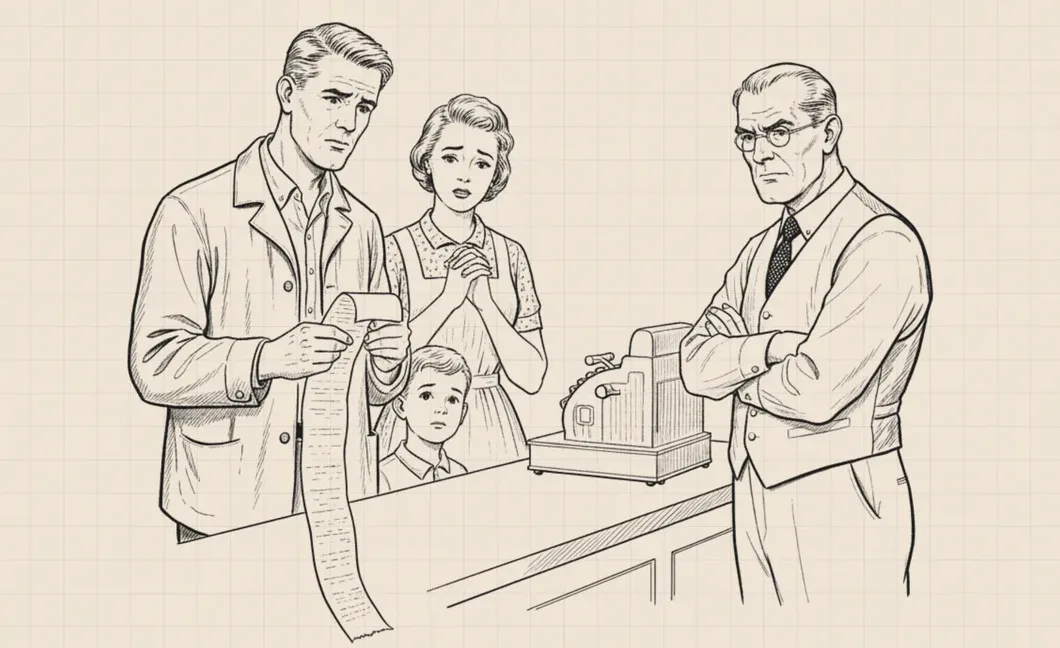
Illustration: Problem & customer
Problem & customer 1 / 7
Government employees and value-conscious shoppers carried a hard truth: traditional retailers treated them as adversaries to be sold to, maximizing margins instead of representing their interests.
Problem
The pain in the market
  • Traditional retailers positioned themselves as adversaries to customers, maximizing margins rather than serving customer interests s7
  • Government employees and value-conscious shoppers lacked access to wholesale pricing and professional representation in their purchasing decisions s5s7
  • Conventional discount retailers operated with preconceived constraints about what retail models could work, limiting innovation in pricing and customer service s1s4
Customer
Who lives with that pain
  • Government employees who paid a $2 per family membership fee for access to wholesale pricing s5
  • Value-conscious shoppers seeking a fiduciary relationship with their retailer rather than an adversarial transaction s7s4
Illustration: Value & solution
Value & solution 2 / 7
FedMart answered with a professional fiduciary relationship, representing members the way an attorney represents clients—delivered through a membership store that marked products up as little as possible and even pointed shoppers to cheaper competitors.
Unique value proposition
The belief the brand is built on
  • A professional fiduciary relationship between retailer and member, where FedMart represented customers like an attorney represents clients s7s4
  • Lowest possible prices through minimal markup positioning as a 'low margin retailer' rather than traditional discount store s3
Solution
How that belief reaches the market
  • Membership-based discount department store that marked up products as little as possible, earning customer loyalty through fiduciary commitment s3s5
  • First retailer to sell gasoline at wholesale prices and first to open an in-store pharmacy, expanding value beyond merchandise s5
  • Customer-first pricing transparency, including directing members to competitors when they offered better deals s4
  • High-wage, high-benefit employment model that hired intelligent people taught to assess situations independently rather than follow scripts s6s4
Illustration: Channels
Channels 3 / 7
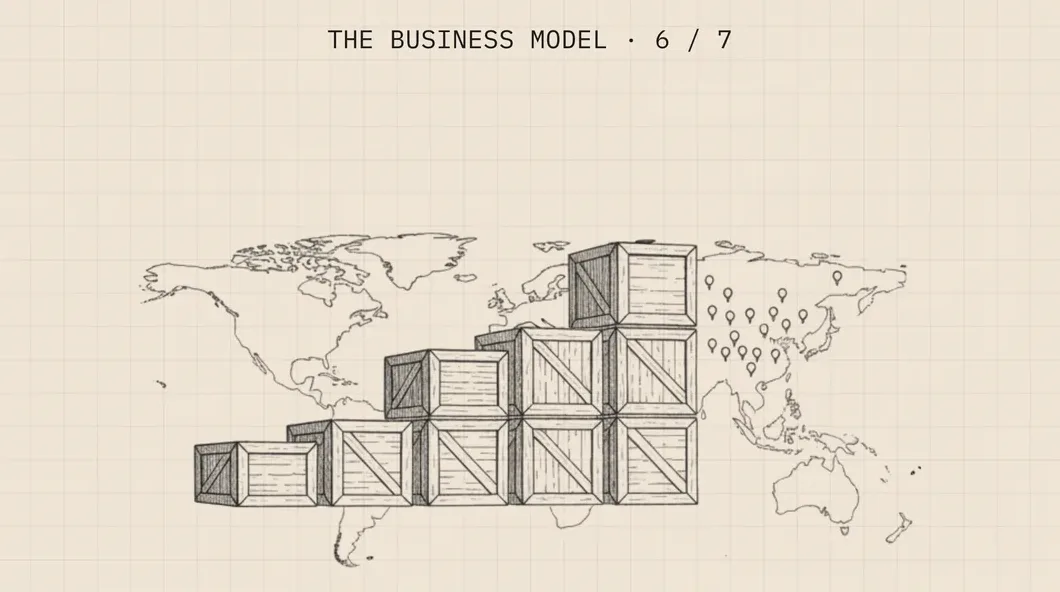
It reached members through physical warehouse stores across California and the Southwest, growing to 45 locations that served a defined community of government employees and value-conscious shoppers.
  • Physical warehouse stores located in California and the Southwest, scaled to 45 locations over 20 years s5
  • Membership access model that created a defined community of government employees and value-conscious shoppers s5
Illustration: Revenue
Revenue 4 / 7
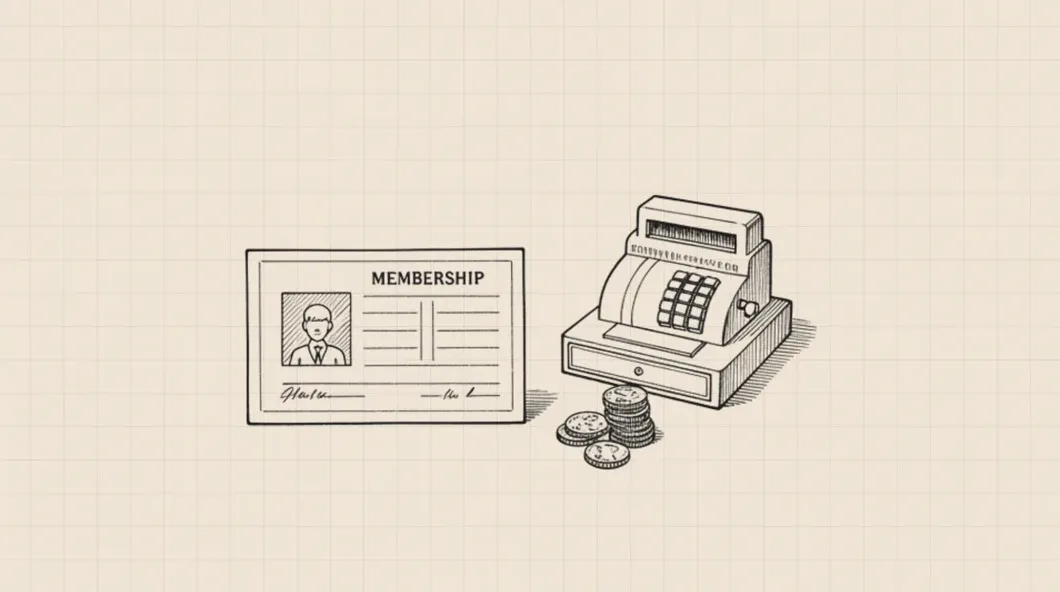
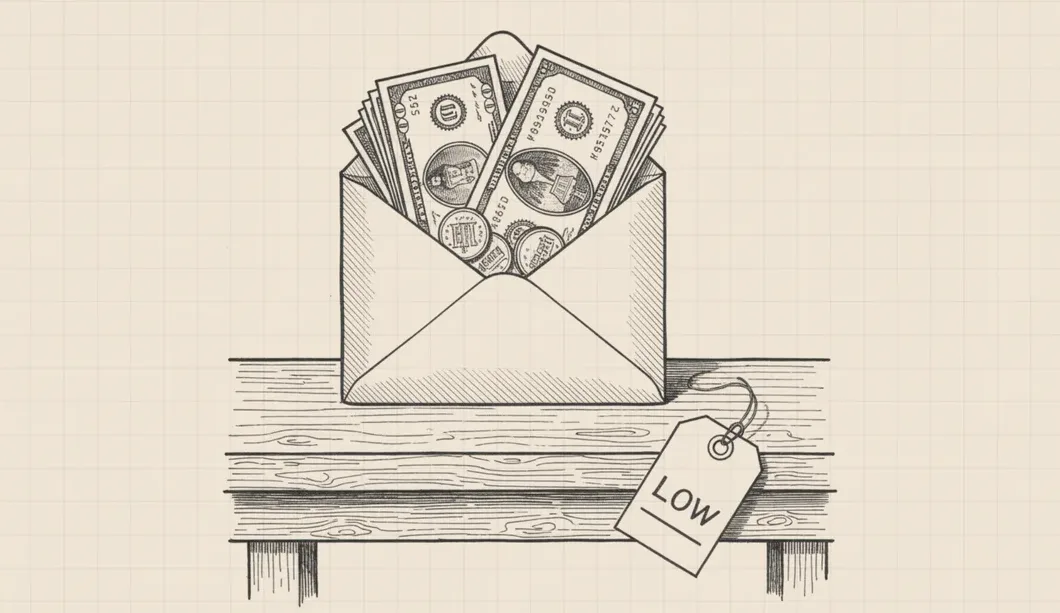
Money came from $2-per-family membership fees and low-margin, high-volume sales that generated over $300 million a year across 45 stores, plus wholesale gasoline and in-store pharmacy services.
  • Membership fees of $2 per family, creating recurring revenue and customer exclusivity s5
  • Low-margin, high-volume merchandise sales that generated over $300 million in annual sales across 45 stores s5s3
  • Ancillary services including wholesale gasoline sales and in-store pharmacy operations s5
Illustration: Costs
Costs 5 / 7
Running it took only $50,000 in startup capital—thanks to a lack of retail preconceptions and a borrowed Main Street warehouse—alongside high wages and great benefits for employees.
  • Minimal startup capital of just $50,000 due to lack of retail preconceptions about required investment s3s5
  • High wages and great benefits for employees as part of sustainable business model balancing customer and employee value s6
  • Warehouse-based operations using mother-in-law's vacant warehouse on Main Street to minimize real estate costs s1s3
Illustration: Key metrics
Key metrics 6 / 7
The proof: FedMart earned four times more than investors projected in its first year, validating the low-margin, high-volume model built on fiduciary loyalty.
  • FedMart earned four times more than investors had projected in its first year, validating the low-margin, high-volume model s3s5
  • Scaled to 45 stores over 20 years generating over $300 million in annual sales before closing s5
  • Member retention and loyalty driven by fiduciary commitment, measured by repeat membership renewals s7s5
Illustration: Unfair advantage
Unfair advantage 7 / 7
No one could easily copy Sol Price'slegal background and fiduciary mindset, which reframed the retailer-customer relationship—and his lack of retail experience freed the team to innovate without industry constraints.
  • Sol Price's legal background and fiduciary mindset, which allowed him to reframe the retailer-customer relationship in a way competitors could not easily replicate s4s7
  • Ignorance as a superpower—lack of retail experience freed the team to innovate without industry constraints or preconceptions s1s4
  • First-mover advantage in pioneering the discount membership warehouse format that was subsequently copied by Walmart, Kmart, Target, Costco, and Sam's Club s2s6
The receipts

Every claim, tethered to a real source

  1. s1Sol Price: Retail Revolutionary The FedMart Years—1954 to 1975 (San Diego History Journal) — https://www.sandiegohistory.org/journal/v56-4/v56-4price.pdf
  2. s2Sol Price - Wikipedia — https://en.wikipedia.org/wiki/Sol_Price
  3. s3The Story of FedMart - The Rational Walk — https://newsletter.rationalwalk.com/p/the-story-of-fedmart
  4. s4[Outliers] Sol Price: The Godfather of Costco, Walmart, and Modern Retail - Farnam Street — https://fs.blog/knowledge-project-podcast/outliers-sol-price/
  5. s5FedMart - Wikipedia — https://en.wikipedia.org/wiki/FedMart
  6. s6Who is Sol Price? Lessons from the discount store pioneer - Daniel Scrivner — https://www.danielscrivner.com/who-is-sol-price-lessons-from-the-discount-store-pioneer-who-built-fedmart-and-inspired-walmart-and-costco/
  7. s7Sol Price: A Fiduciary Relationship with the Customer - Farnam Street — https://fs.blog/sol-price-customer-best-friend/