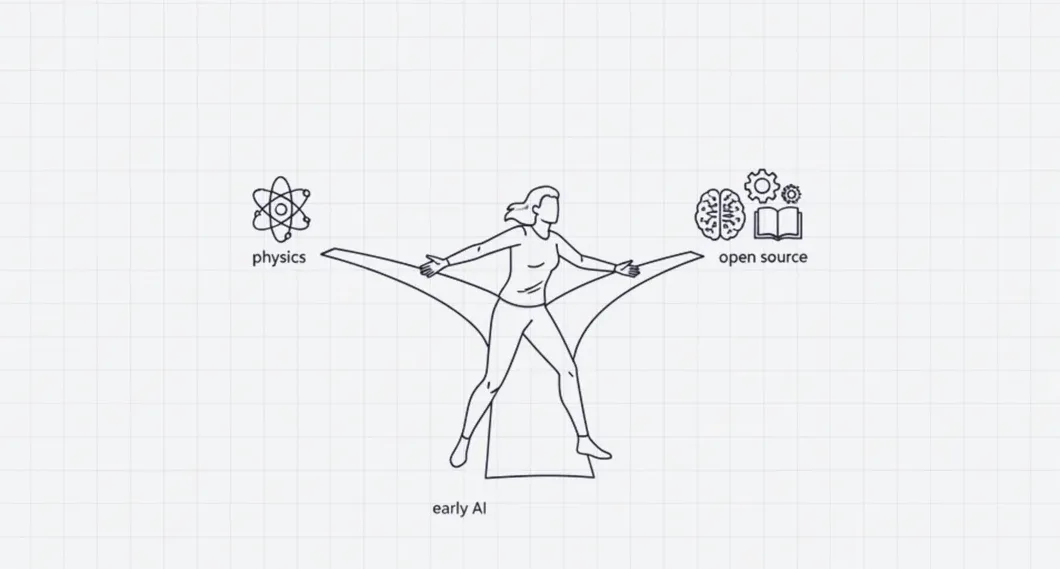
Act One
How Lovable came to be
First the arc at a glance, then the story in 10 drawn beats.
The founder story of Anton Osika, in 10 beats — then how the business actually works.
Welcome to the open-source case for Lovable. This is the story of a company founded by Anton Osika—a Swedish engineer who worked on CERN's supersymmetry experiments and co-founded Depict.ai—who turned his highest-level technical expertise toward a stubborn problem: the billions of people closest to real problems couldn't build the software to solve them. What makes Lovable worth the treatment is the audacity of its promise—"the last piece of software," turning plain descriptions into working products with no coding knowledge—paired with the pace of its proof, reaching $100 million in annualized subscription revenue in just eight months. To understand it, we look through four lenses: the Founder Story traces how Osika's path from KTH to CERN to startups led here; the Golden Circle captures why Lovable exists—to democratize software creation for those long locked out; the Lean Canvas maps how it operates and earns through subscription revenue; and the Empathy Map puts us in the shoes of Maya, the non-technical builder finally able to bring her ideas to life.
First the arc at a glance, then the story in 10 drawn beats.
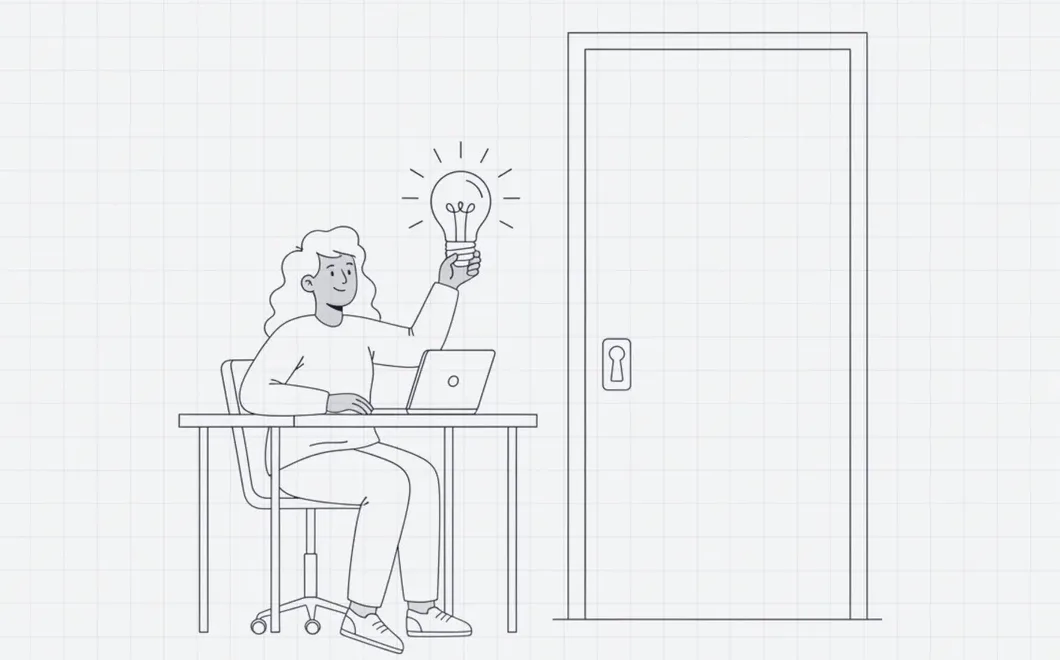
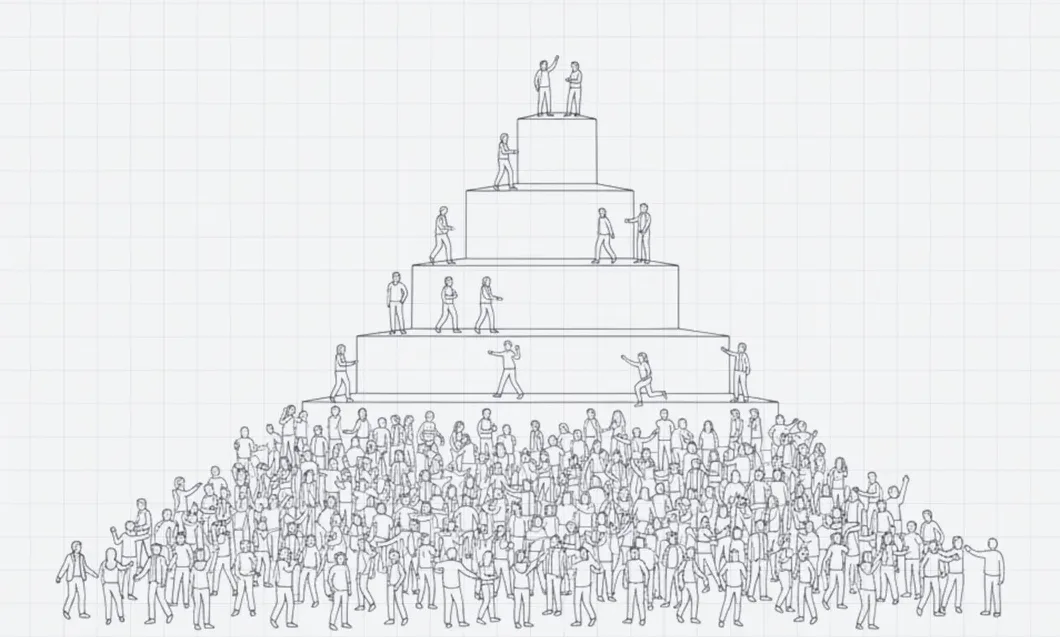
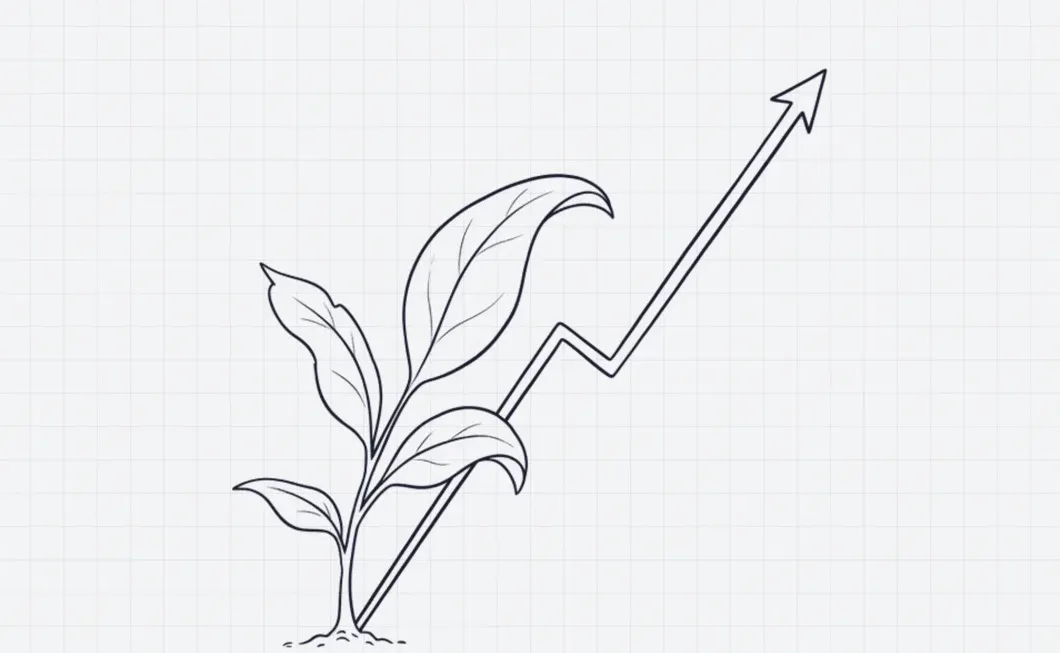
Swedish engineer Anton Osika saw that billions closest to problems couldn't build software to solve them. s1s3s4s5s7s9s10
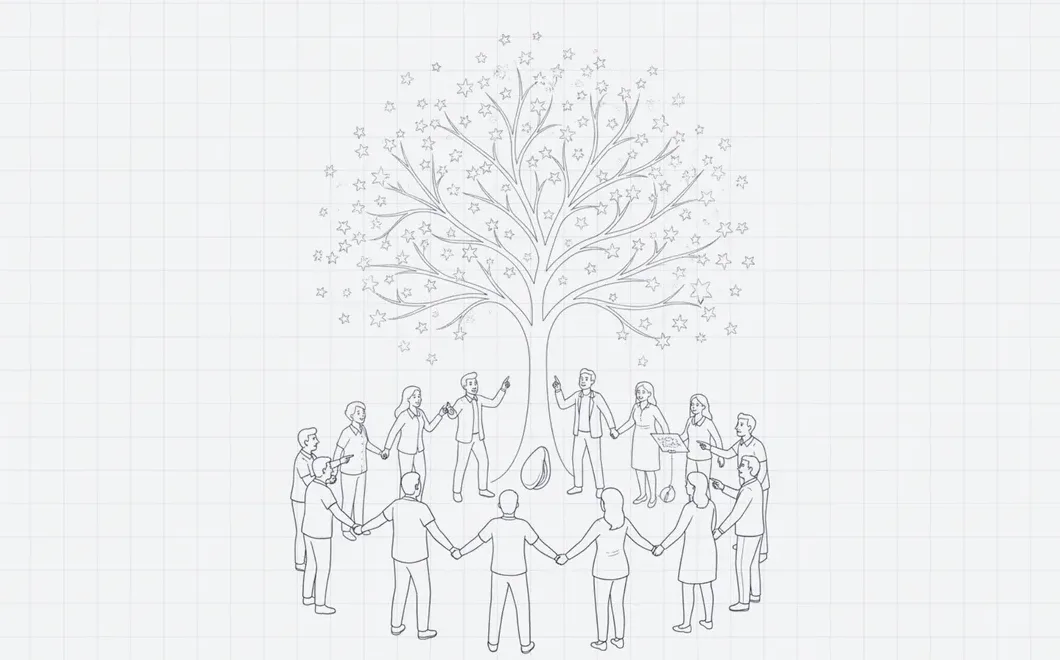
In 2023 Anton's open-source AI coding tool hit 50,000 GitHub stars—and sparked a bigger ambition. s1s3s4s8
He and Fabian Hedin turned it into Lovable, plain-language prompts into working apps, live Nov 2024. s2s3s4s5s7
$4M ARR in four weeks, $10M in two months, with just 15 people riding the 'vibe coding' wave. s2s3s9
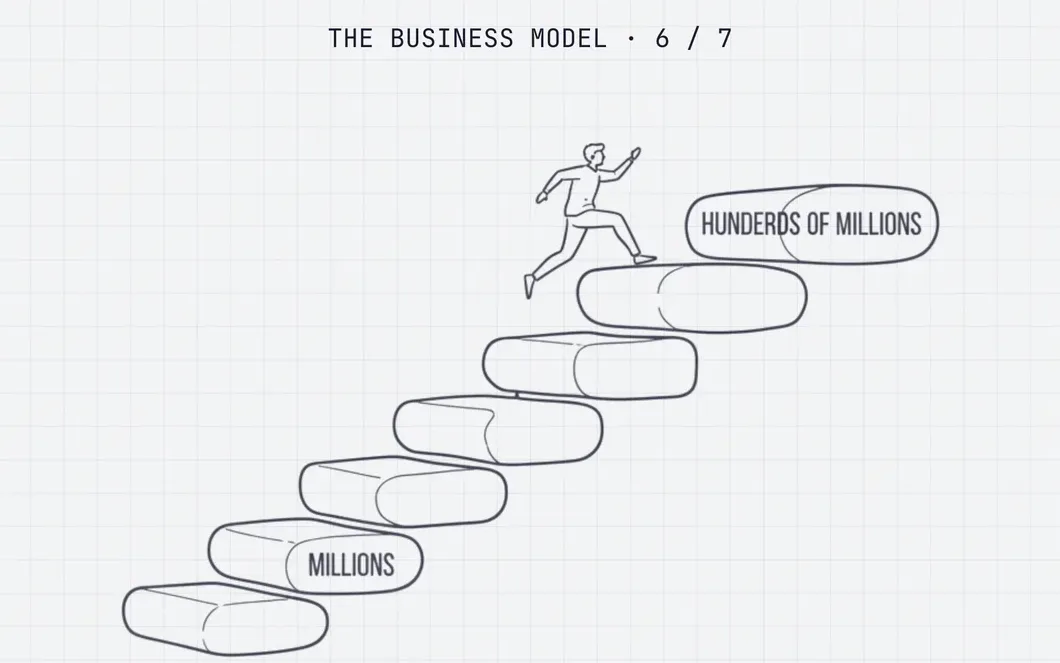
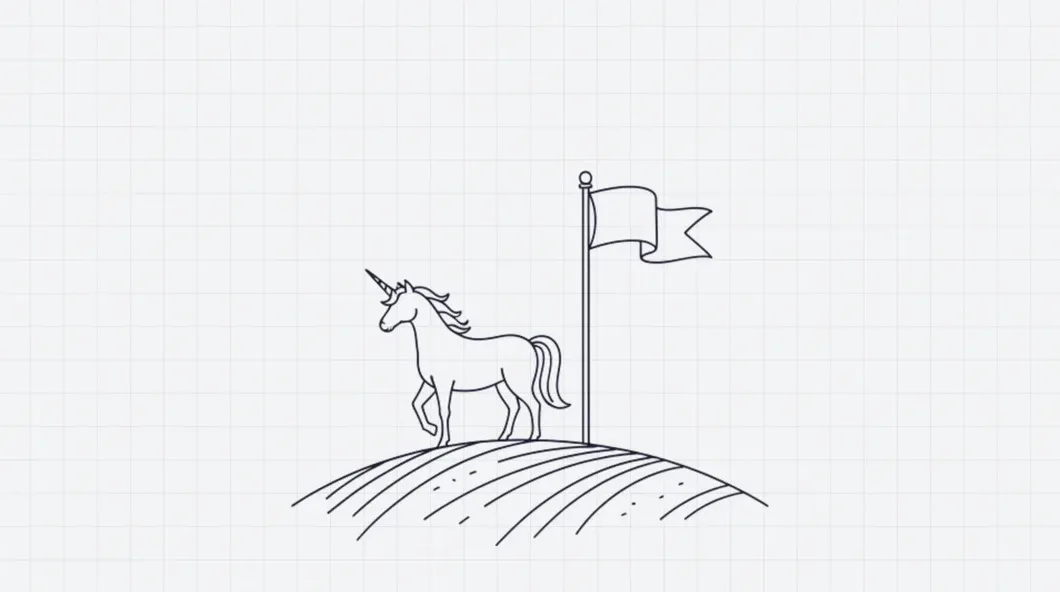
Rapid rounds took Lovable to a $13.3B valuation and $100M revenue in eight months. s3s5s6s7s9
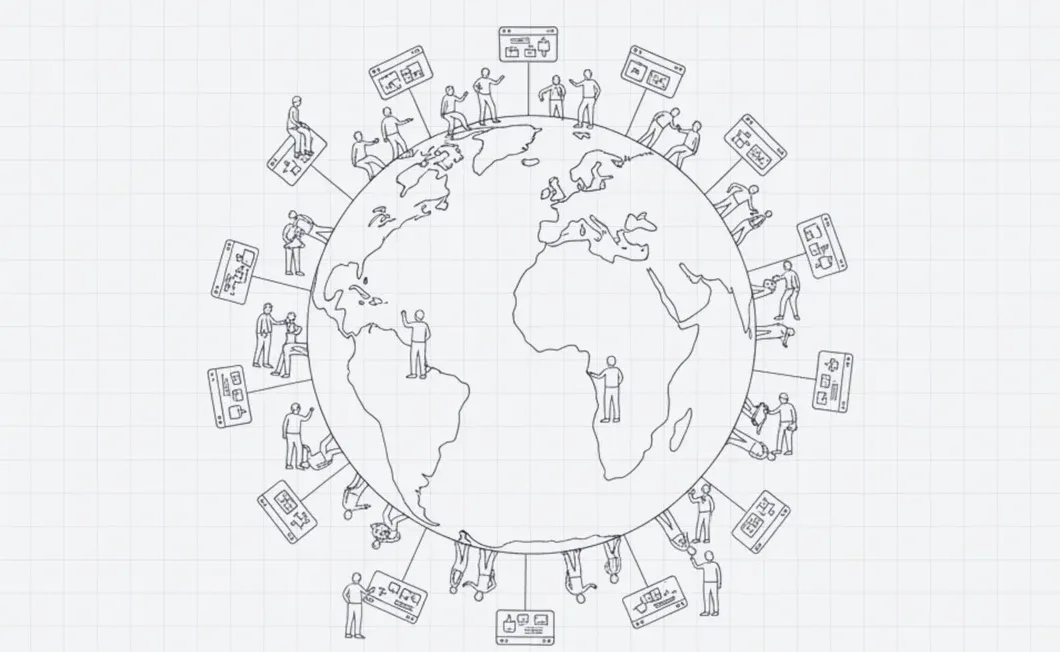
60M projects, 900M monthly visitors, and both founders on Forbes' Billionaires List. s3s5s6
At $500M run rate, Lovable proves Europe competes in AI—empowering anyone to create software. s2s3s5s6s7s10

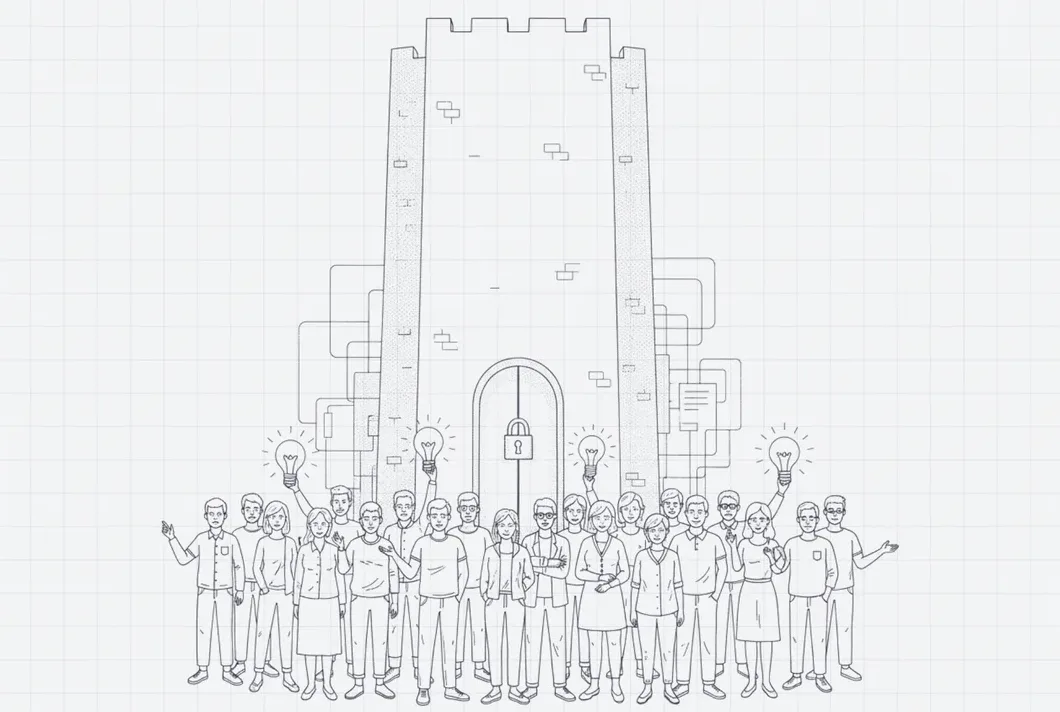

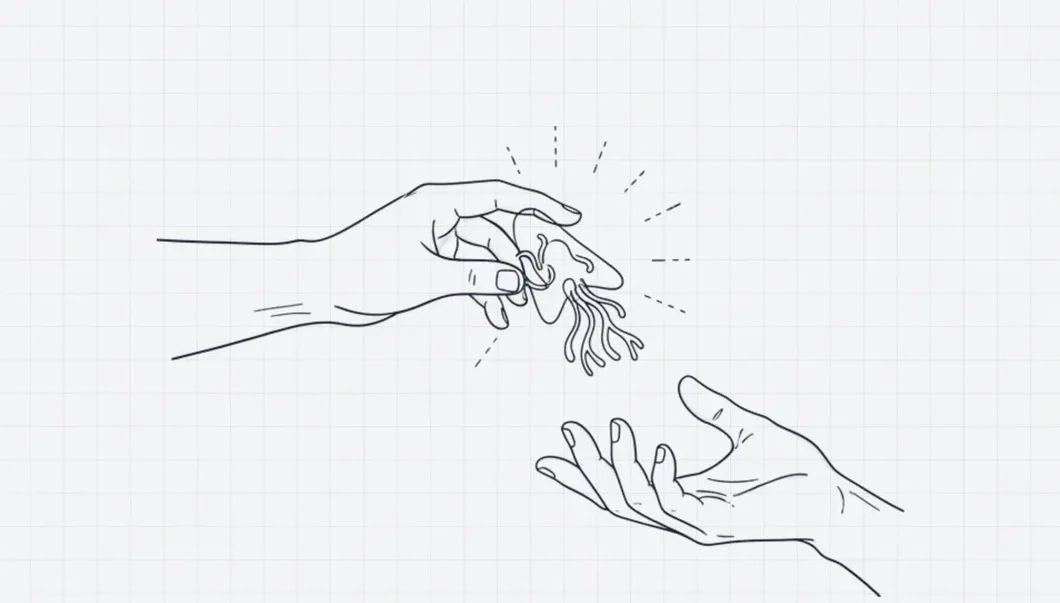
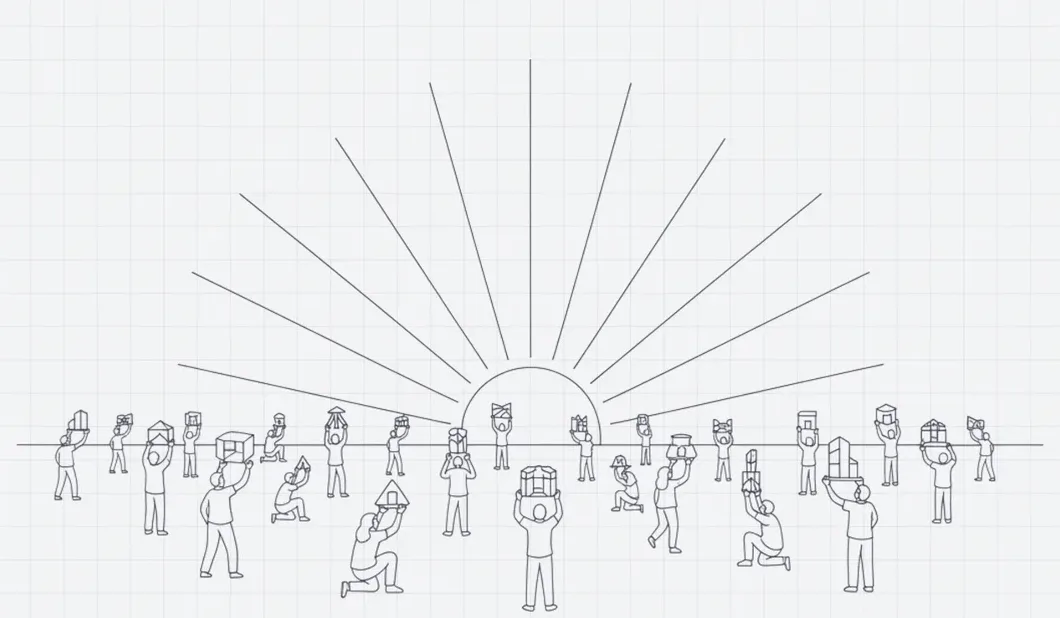
Start at the belief at the center — then the circle zooms out through the method and the offer.
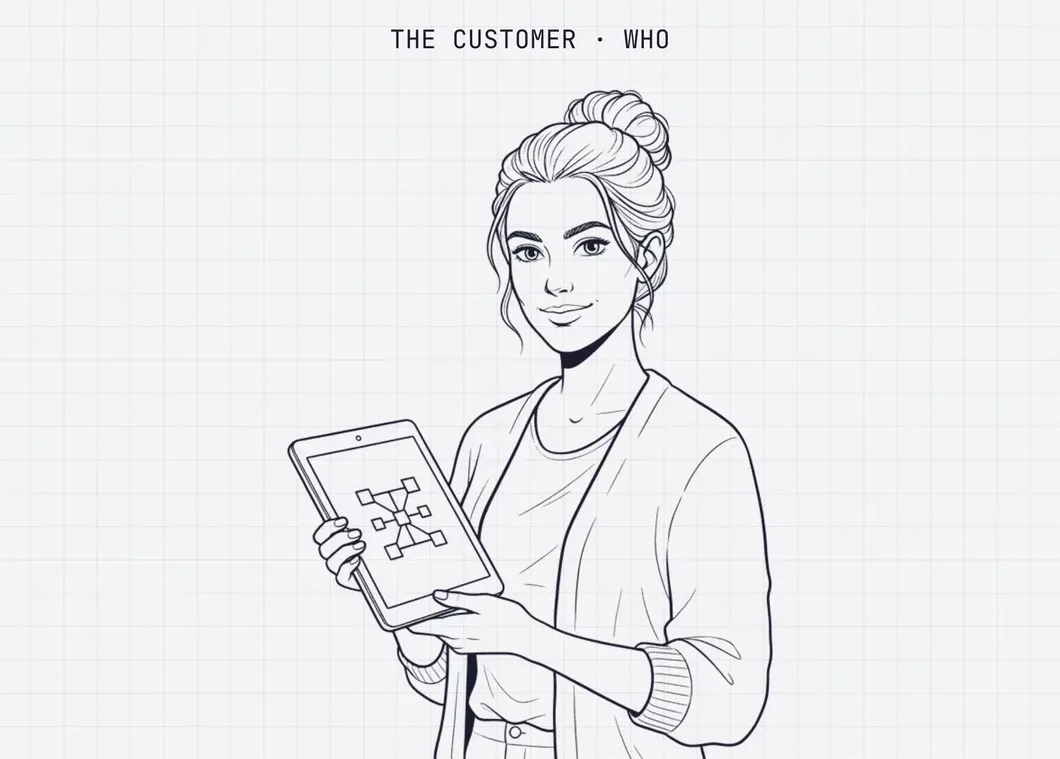
Step into one customer’s world — the person the whole business is built around.
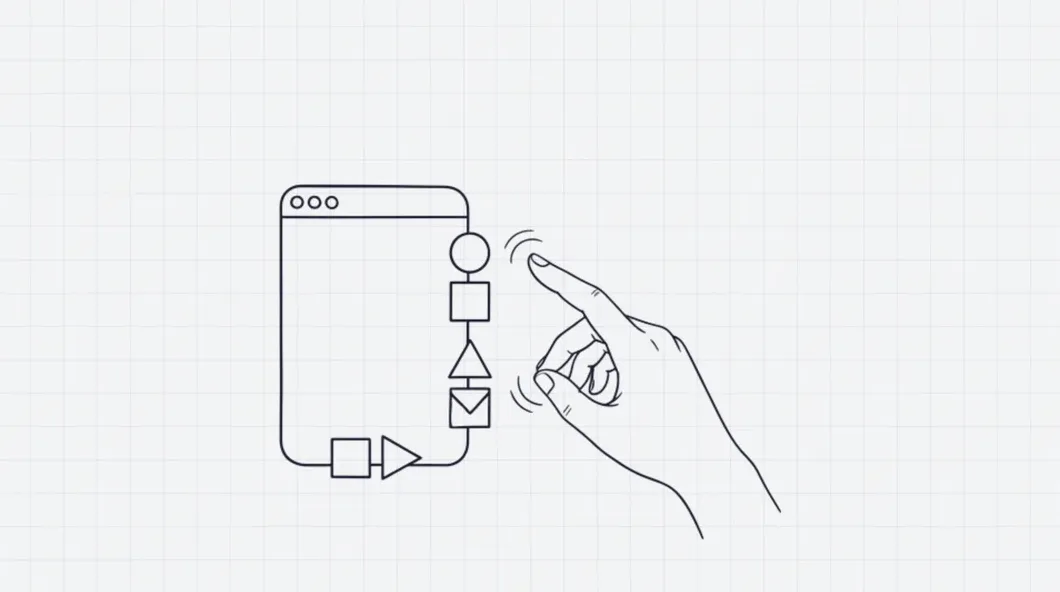
The business model in seven moves — each one drawn, each one cited.