View as cards
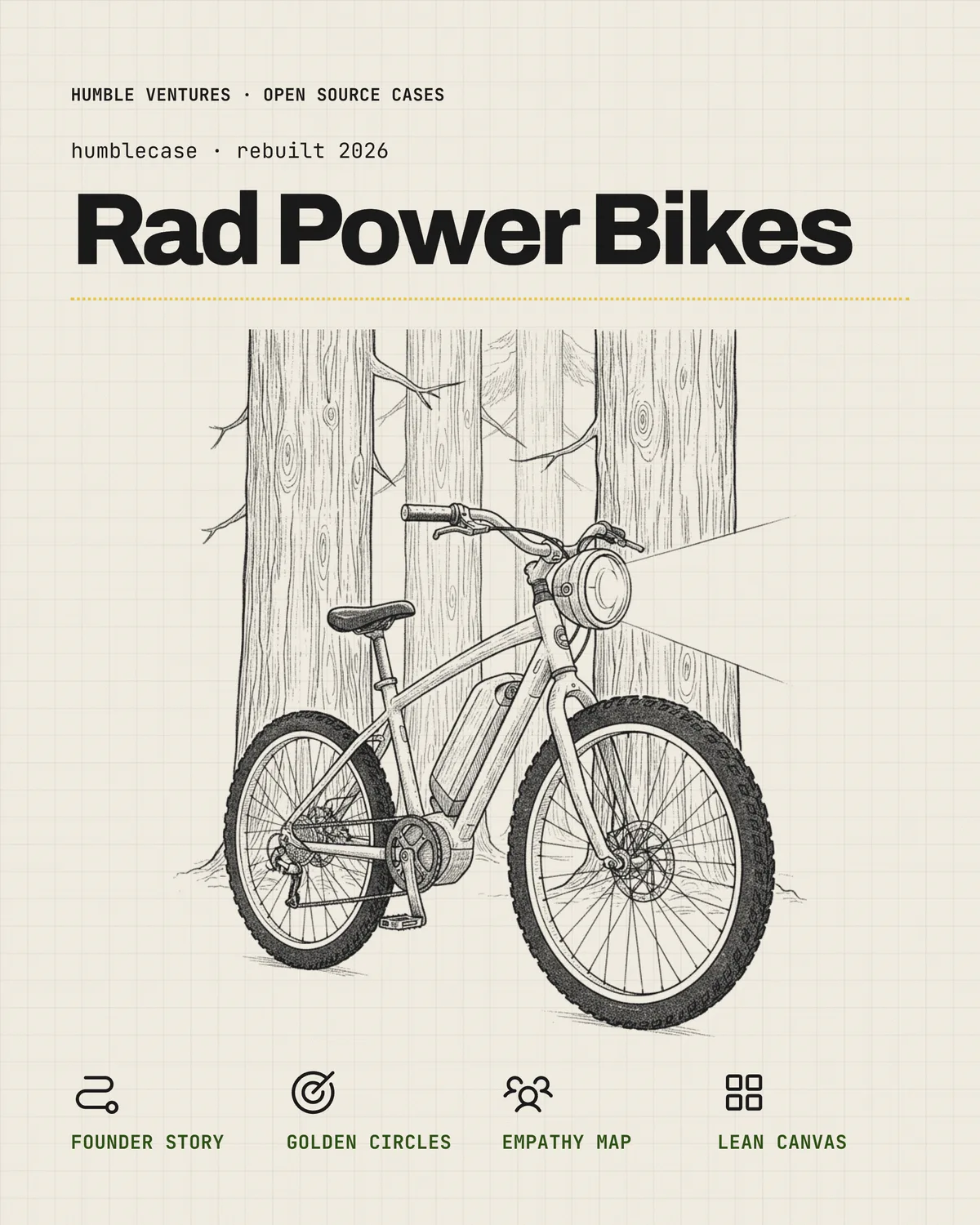
Rad Power Bikes cover
An open-source case, told as a story

Rad Power Bikes

The founder story of Mike Radenbaugh, in 10 beats — then how the business actually works.

Scroll↓
About this case

Welcome to the open-source case for Rad Power Bikes. What makes this story worth the treatment is its roots: Mike Radenbaugh grew up among the Redwood trees on the Lost Coast of Northern California, raised by "tree hugger parents and tree hugger neighbors," and turned a 16-mile hilly commute problem into a mission to get more people out of cars and onto bikes. That origin gives the company a rare throughline — from a kid who wanted to bike to school without arriving exhausted to a business selling affordable electric bikes directly to consumers, generating $100 million in revenue in 2019. To trace that arc, we use four lenses: the Founder Story shows how Radenbaugh's nature-connected upbringing sparked the idea, the Golden Circle captures why the company exists — to transform urban transportation and make human-powered mobility accessible to anyone who wants to ride without breaking a sweat — the Lean Canvas maps how it makes money and operates, and the Empathy Map brings us close to riders like "Rural Mike," who needs to conquer a hilly commute without wearing himself out.

Act One

How Rad Power Bikes came to be

First the arc at a glance, then the story in 10 drawn beats.
The arc · 7 milestones
  1. 1
    Redwood roots

    Mike Radenbaugh grew up among the Redwoods on California's Lost Coast, raised by tree-hugger parents. s1

  2. 2
    The brutal 16-mile commute

    At 15, he hated a grueling, hilly ride to high school and craved a way to bike without breaking a sweat. s4

  3. 3
    Radio Shack e-bike

    In 2007 he hacked together parts from Radio Shack and eBay, building his first electric bike with bellboy savings. s1s4

  4. 4
    Neighbors wanted one

    His effortless commute drew requests from neighbors, sparking Rad Power Bikes that same year. s1s4s2

  5. 5
    Unicorn status

    It became North America's largest e-bike brand, hit $100M revenue, then a $1.65B valuation in 2021. s3s2s6s8

  6. 6
    Chapter 11 & sale

    In late 2025 it filed for bankruptcy; in 2026 Life Electric Vehicles bought its assets for $13.2M. s2s5s6

  7. 7
    Brand lives on

    The Rad Power Bikes brand carried on under new ownership, its founding car-alternative insight still validated. s5s6s1
Now the fuller story, drawn beat by beat↓
Illustration: Once upon a time...
01 / 10
Once upon a time...

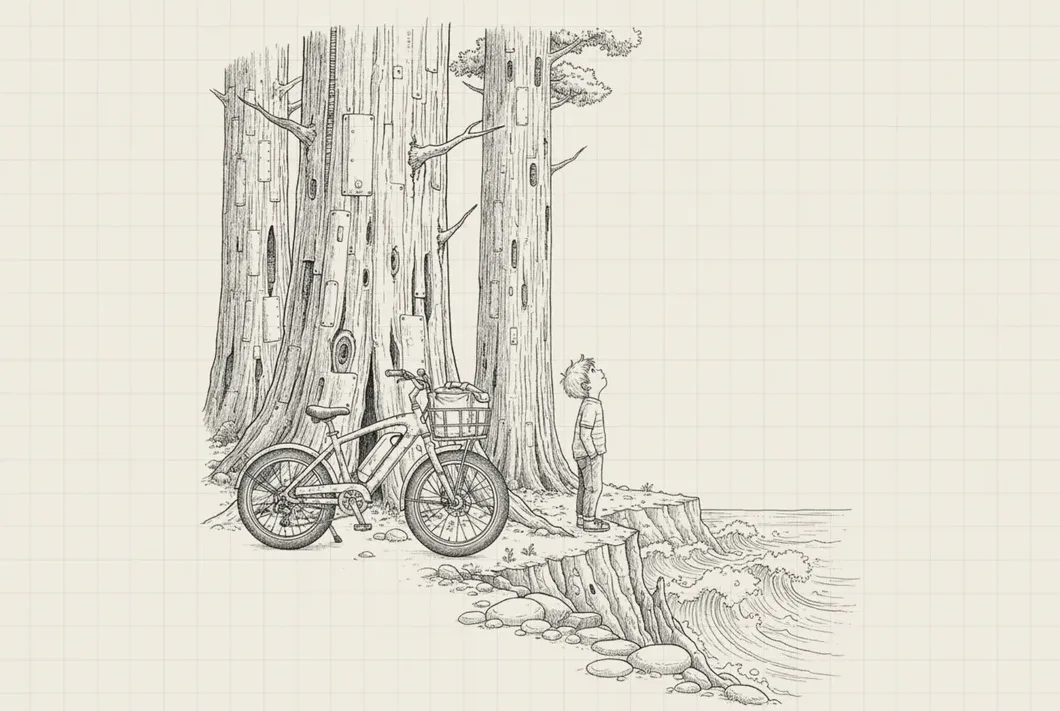
Mike Radenbaugh grew up among the Redwood trees on the Lost Coast of Northern California with 'tree hugger parents and tree hugger neighbors,' and a life deeply connected to nature.

“Rad Power Bikes founder Mike Radenbaugh grew up among the Redwood trees on the Lost Coast of Northern California with 'tree hugger parents and tree hugger neighbors,' and a life connected to nature.”
s1
Illustration: Every day...
02 / 10
Every day...

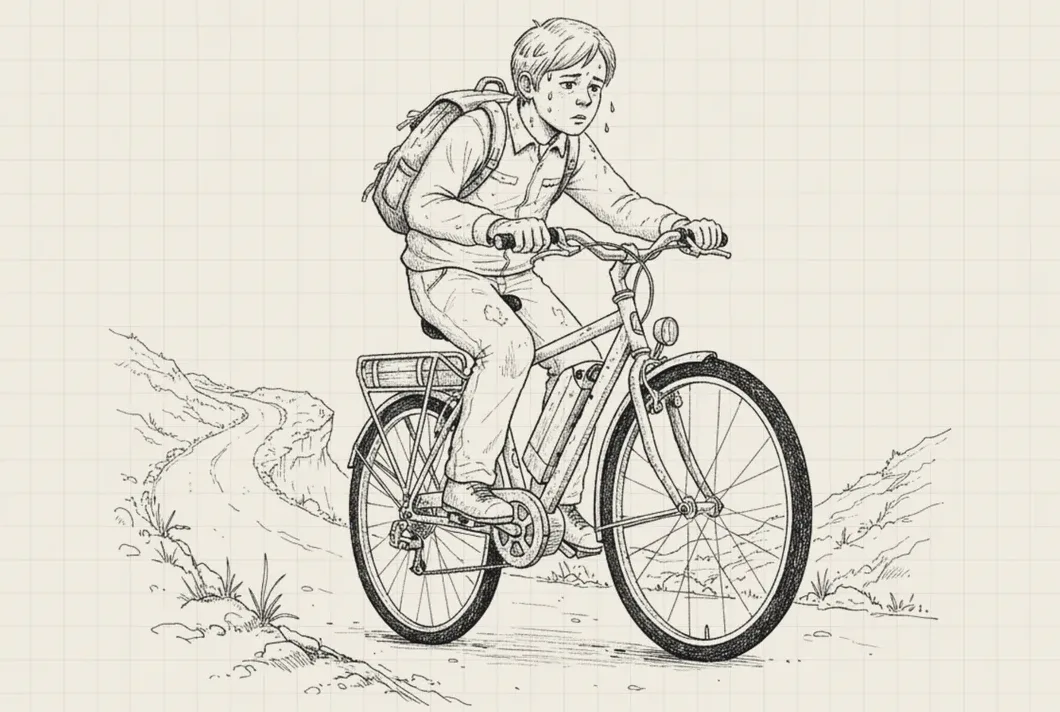
At age 15, Radenbaugh faced a brutal 16-mile commute to high school—hilly, exhausting, and he hated every minute of it. He wanted to bike to school without breaking a sweat, but the slog was relentless.

“Growing up in rural Northern California, Mike Radenbaugh hated biking to high school—it was a 16 mile slog; hilly and tiring.”
s4
Illustration: One day...
03 / 10
One day...

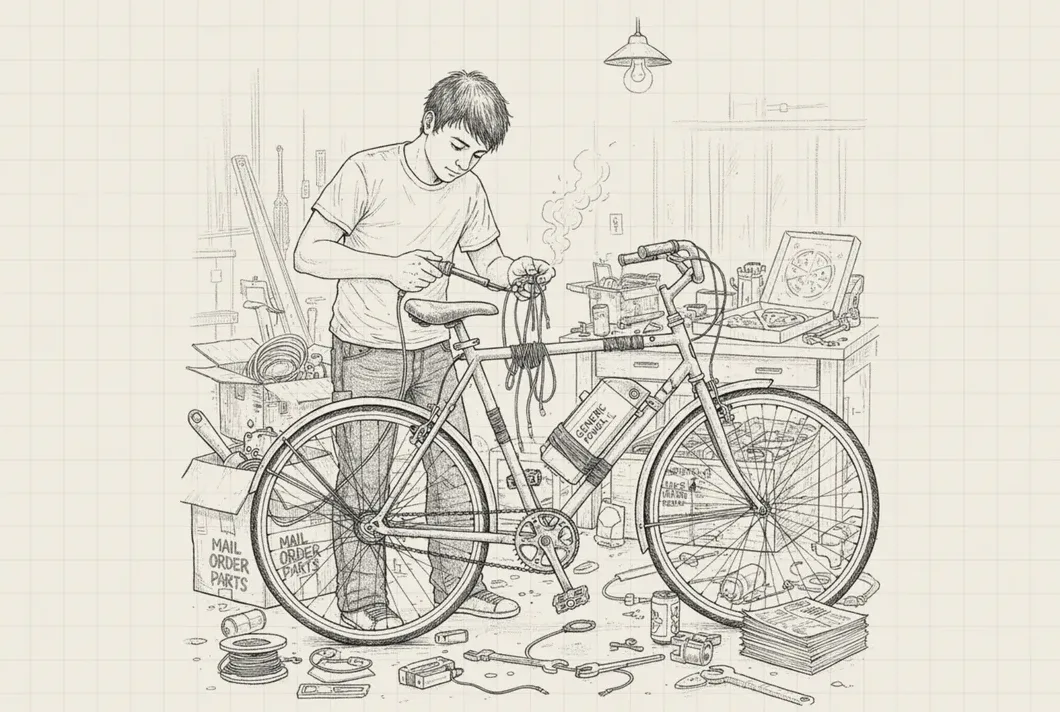
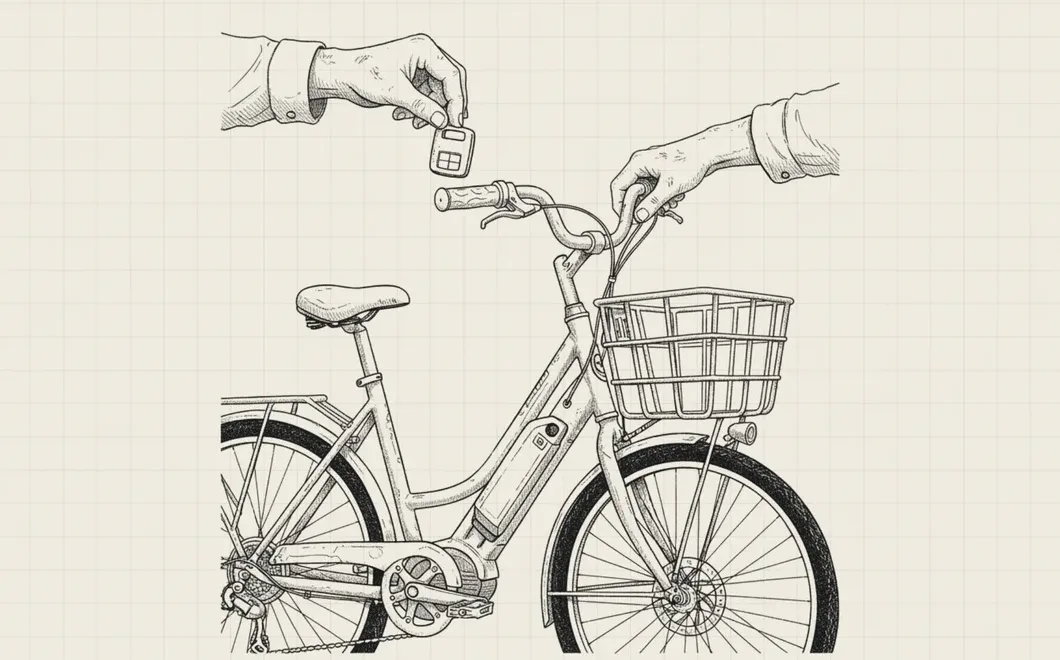
In 2007, the 15-year-old decided to solve the problem himself. He hacked together parts ordered from Radio Shack and eBay using money saved from his job as a bellboy at the one hotel in town, building his first electric bike.

“When Radenbaugh was 15, he built his first e-bike hacking together parts he ordered from Radio Shack and eBay with the money he saved from his job as a bellboy at the one hotel in town.”
s1s4
Illustration: Because of that...
04 / 10
Because of that...

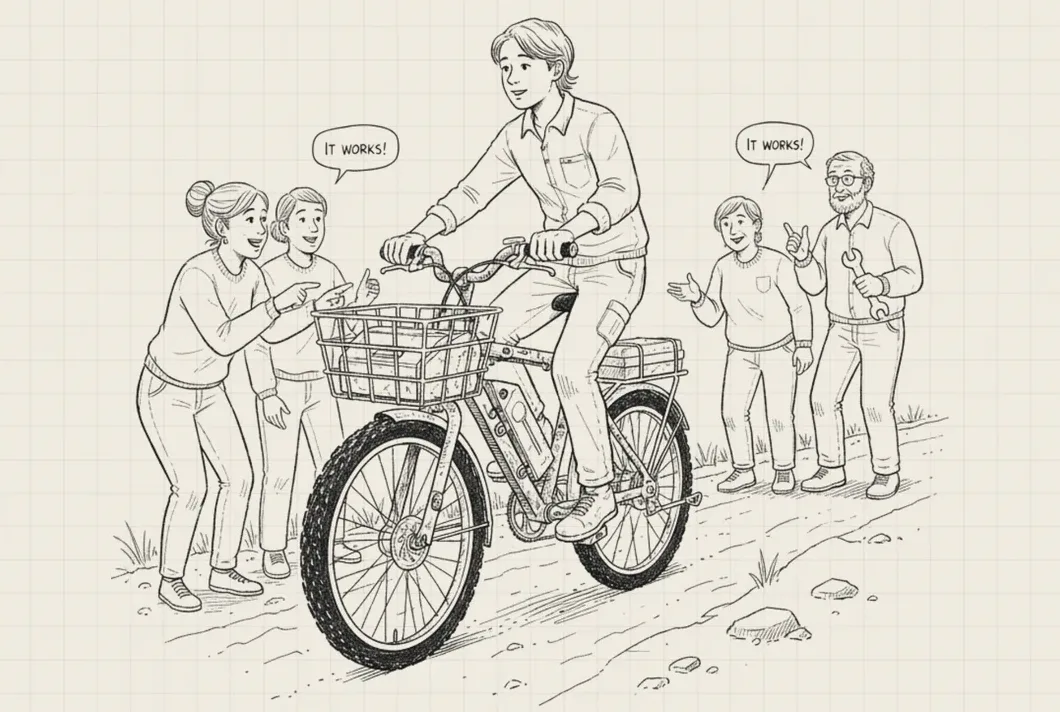
His homemade e-bike worked—suddenly his commute became effortless. But then something unexpected happened: his neighbors started asking him to motorize their bikes too. They saw his solution and wanted one for themselves.

“When Mike's neighbors starting asking him to motorize their bikes, Rad Power Bikes was born.”
s1s4
Illustration: Because of that...
05 / 10
Because of that...

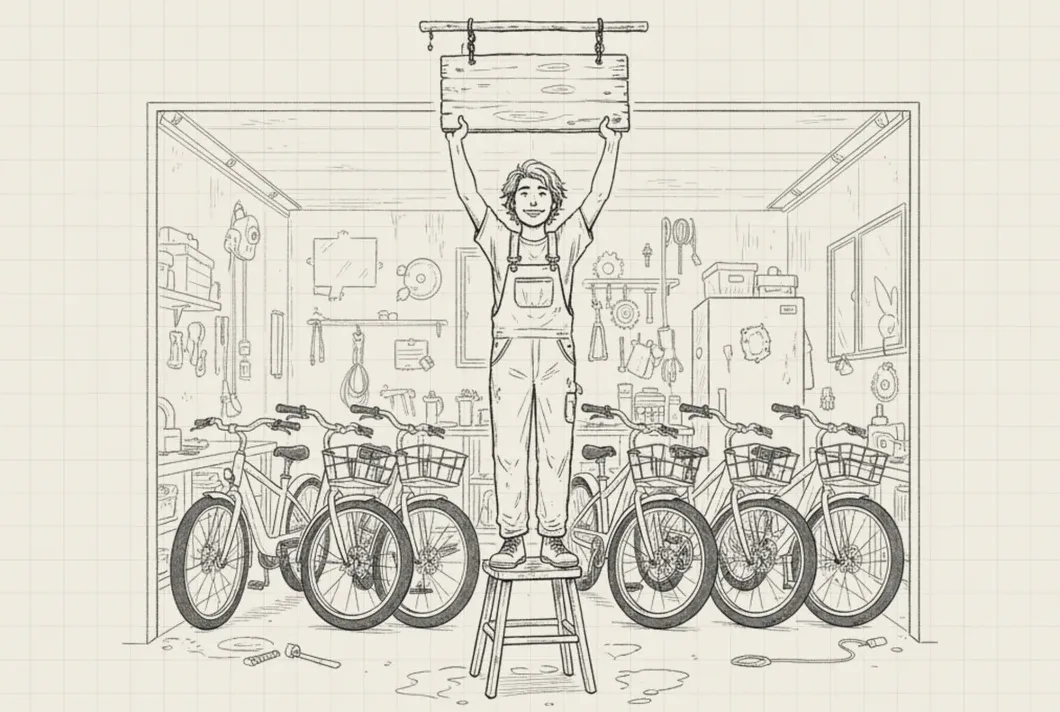
Despite his young age, Radenbaugh founded Rad Power Bikes in 2007, the same year he built his first motorized bike. What started as a scrappy hardware solution to a personal frustration became a business solving real-world commuting problems with affordable electric bikes.

“This was back in 2007, and despite his young age, Radenbaugh says this is the year Rad Power Bikes was founded.”
s1s4s2
Illustration: Because of that...
06 / 10
Because of that...

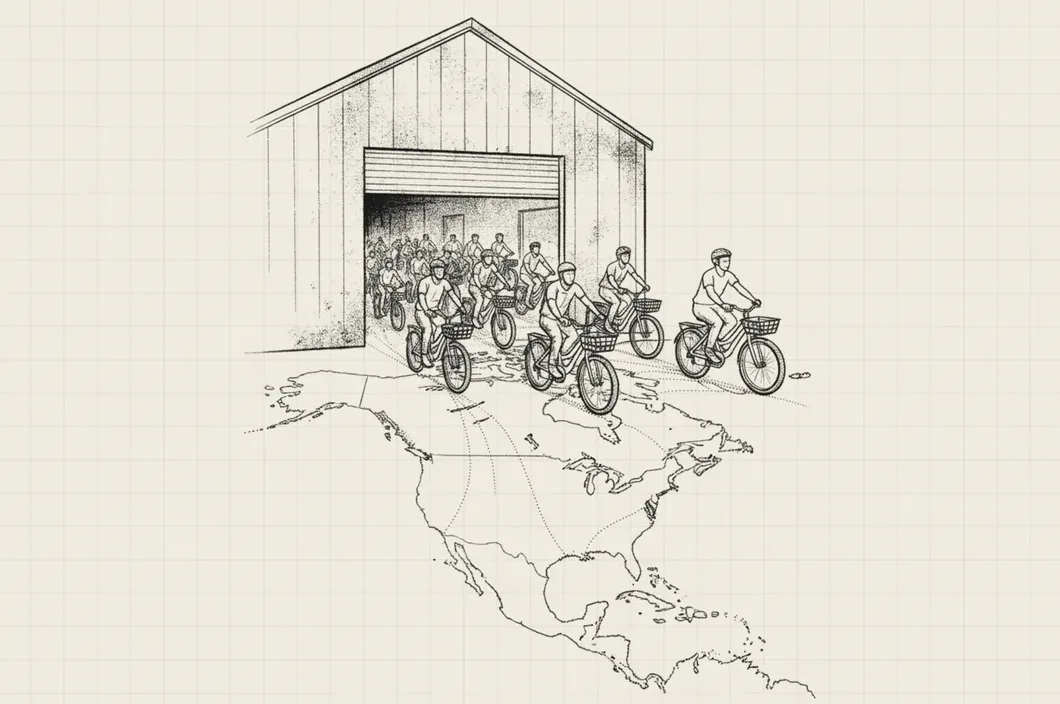
Rad Power Bikes grew explosively, becoming North America's largest e-bike brand with a mission to get more people out of cars and onto electric bikes. By 2019 the company hit $100 million in revenue. In October 2021, Rad Power Bikes raised $154 million led by Fidelity, reaching unicorn status at a $1.65 billion valuation with over $329 million in total financing—making it the most funded electric bike company in the world.

“making it the most funded electric bike company in the world”
s3s2s6s8
Illustration: Until finally...
07 / 10
Until finally...

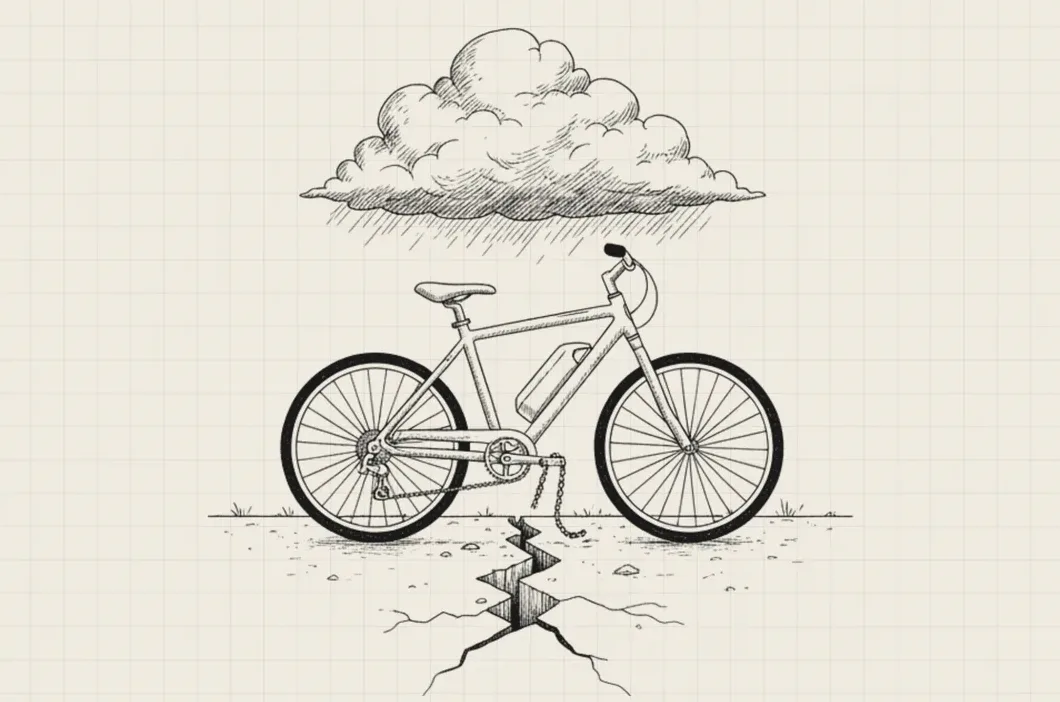
The meteoric rise came to an abrupt end. In late 2025, Rad Power Bikes filed for Chapter 11 bankruptcy protection due to significant financial challenges. In early 2026, Life Electric Vehicles acquired the company's assets for $13.2 million in cash, ending Rad Power Bikes' run as an independent electric bike manufacturer, though the brand lived on under new ownership.

“Rad Power Bikes' run as an independent electric bike manufacturer is over, but the brand will live on”
s2s5s6
Illustration: And every day after that...
08 / 10
And every day after that...

The Rad Power Bikes brand continued operating under its new parent company, Life Electric Vehicles, still serving customers seeking electric bike solutions for urban transportation.

s5s6
Illustration: Reflection / realization
09 / 10
Reflection / realization

Mike Radenbaugh dedicated his career to revolutionizing transportation and transforming how people and goods moved across urban landscapes, building a scrappy hardware startup from teenage curiosity into North America's largest e-bike company—proving that solving your own problem can unlock a market, even if the path from garage to unicorn and back again is rarely straightforward.

s7s8s1s2
Illustration: The journey today
10 / 10
The journey today

Though Rad Power Bikes no longer operated as the independent company Radenbaugh built from his 15-year-old self's frustration with a hilly commute, the founding insight remained validated: people desperately wanted alternatives to cars, and electric bikes offered a practical solution. The rise and fall chronicled a hardware founder's journey from Redwood trees and Radio Shack parts to fueling an e-bike revolution, leaving a lasting mark on urban transportation.

s2s1s4s3
Act Two

Why it exists

Start at the belief at the center — then the circle zooms out through the method and the offer.

WHY

To get more people out of cars and onto bikes, transforming urban transportation. Radenbaugh grew up among the Redwood trees with 'tree hugger parents and tree hugger neighbors,' instilling a belief that transportation should connect people to their environment, not isolate them from it. The mission was to revolutionize how people and goods move across cities, making human-powered mobility accessible to anyone who wanted to ride without breaking a sweat.

s1s3s4s7
HOW

Rad Power Bikes built affordable, practical electric bikes using accessible parts and a direct-to-consumer model. Born from Radenbaugh's DIY ethos—hacking together Radio Shack and eBay components as a teenager—the company maintained a scrappy hardware startup approach while scaling to North America's largest e-bike brand. They democratized e-bike access through competitive pricing and grassroots validation, expanding from rural Northern California neighbors to urban markets across North America and Europe.

s1s2s3s4s6s8
WHAT

Rad Power Bikes designed, manufactured, and sold electric bicycles direct to consumers. The company grew to become North America's largest e-bike brand, generating $100 million in revenue by 2019 and reaching unicorn status with a $1.65 billion valuation in 2021. After filing for Chapter 11 bankruptcy in late 2025, Life Electric Vehicles acquired the company's assets for $14.9 million in early 2026, continuing the brand under new ownership.

s2s3s5s6s8
Act Three

Who it serves

Step into one customer’s world — the person the whole business is built around.
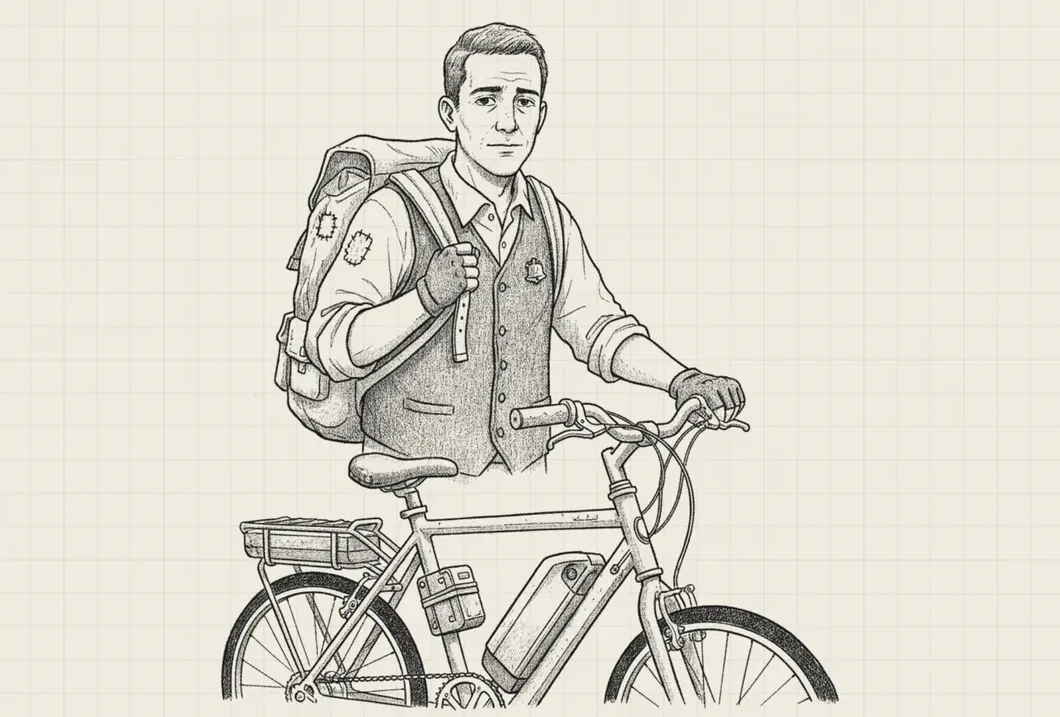
Illustration of Rural Mike
Meet
Rural Mike
15-year-old high school student / bellboy
Lives in rural Northern California on the Lost Coast with environmentally-conscious family and neighbors, faces a 16-mile hilly commute to high school, works part-time to save money, and wants to bike without arriving exhausted
What they SEESees
He saw redwoods and the Lost Coast, long hilly roads stretching 16 miles, and neighbors facing the same transportation struggle.
from the empathy map
  • Redwood trees and natural landscapes on the Lost Coast of Northern California s1
  • Long, hilly roads stretching 16 miles between home and school with no easy transportation options s1s4
  • Community members struggling with similar transportation challenges in rural, car-dependent areas s1s4
What they HEARHears
He heard neighbors talk about better commute solutions and messages about getting out of cars, onto bikes, and back to nature.
from the empathy map
  • Neighbors and community members discussing the need for better commute solutions in rural and hilly areas s1s4
  • Messages about getting out of cars and onto bikes to transform transportation and connect with nature s1s3s7
  • Stories about Rad Power Bikes becoming North America's largest e-bike brand and fueling the e-bike revolution s1s3s6
What they SAYSays
"I hate this 16-mile ride — it's so hilly and tiring," and "I grew up with tree-hugger parents connected to nature."
from the empathy map
  • I hate this 16-mile bike ride to school—it's so hilly and tiring s4
  • I grew up with tree hugger parents and neighbors, connected to nature s1
  • Can you motorize my bike like you did yours? s1s4
What they DODoes
He built his first e-bike by hacking together Radio Shack and eBay parts to survive the 16-mile hilly ride to school.
from the empathy map
  • Built his first e-bike by hacking together parts ordered from Radio Shack and eBay to solve his commute problem s1s4
  • Cycled 16 miles to high school through hilly terrain, seeking a way to avoid arriving exhausted and sweaty s1s4
  • Asked Radenbaugh to motorize their bikes after seeing his solution work for his commute s1s4
Act Four

How it makes money

The business model in seven moves — each one drawn, each one cited.
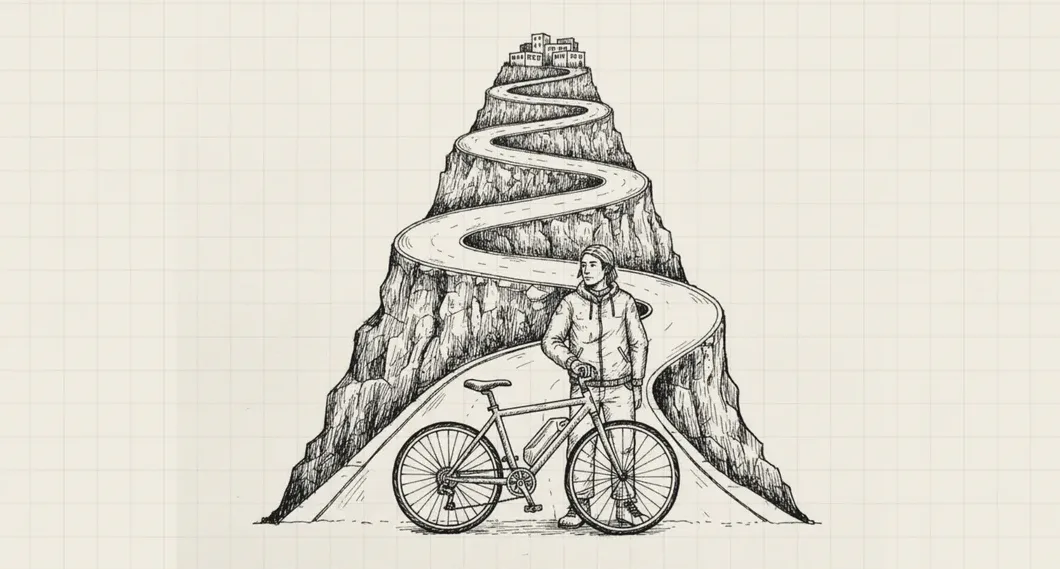
Illustration: Problem & customer
Problem & customer 1 / 7
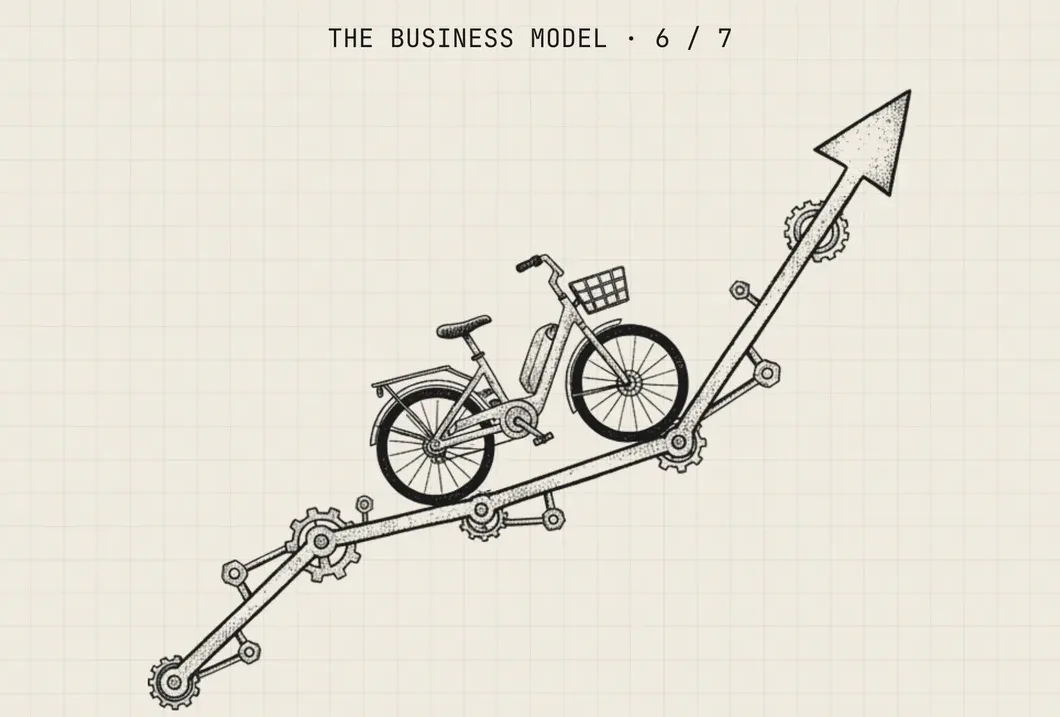
Rural and suburban commuters facing long, hilly routes to school or work carried one weight: the ride left them exhausted and sweaty, pushing car dependency as the default.
Problem
The pain in the market
  • Long, hilly commutes were exhausting and impractical for cyclists who wanted to travel significant distances without arriving sweaty and tired. s4
  • Traditional bicycles forced a trade-off between the environmental benefits of cycling and the physical demands of long-distance travel, making car dependency the default for many commuters. s1s4
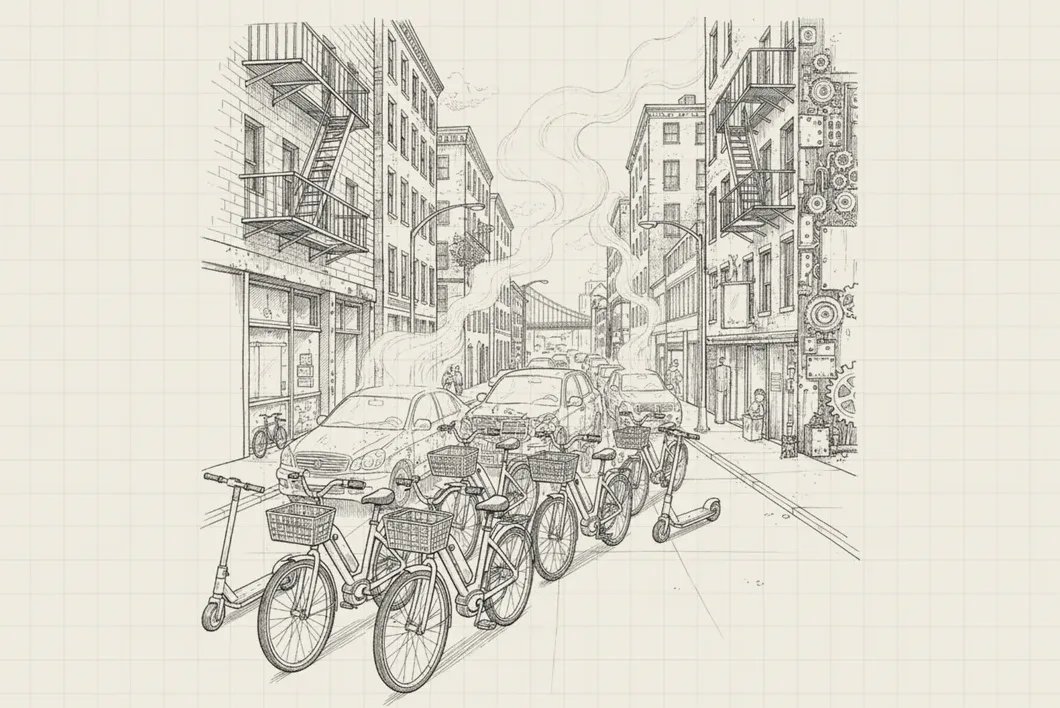
  • Urban transportation systems relied heavily on cars, limiting options for people seeking practical alternatives to move themselves and goods across cities. s3s7
Customer
Who lives with that pain
  • Rural and suburban commuters facing long-distance, hilly routes to school or work who wanted to cycle without physical exhaustion. s4
  • Environmentally-conscious individuals seeking alternatives to cars for urban transportation, influenced by sustainability values. s1s3
  • Urban dwellers and businesses needing practical solutions for moving both people and goods across city landscapes. s3s7
Illustration: Value & solution
Value & solution 2 / 7
Affordable electric bikes got more people out of cars and onto two wheels, assembled from accessible parts so longer, hillier commutes ended with riders arriving fresh rather than spent.
Unique value proposition
The belief the brand is built on
  • Affordable electric bikes that got more people out of cars and onto two wheels, transforming urban transportation with accessible technology. s1s3s4
  • North America's largest e-bike brand offering practical commuting solutions built from scrappy, accessible hardware that solved real-world transportation problems. s2s3s4s6s8
Solution
How that belief reaches the market
  • Electric bikes assembled from parts sourced through accessible channels like Radio Shack and eBay, making motorized cycling practical for everyday commuters. s1s4
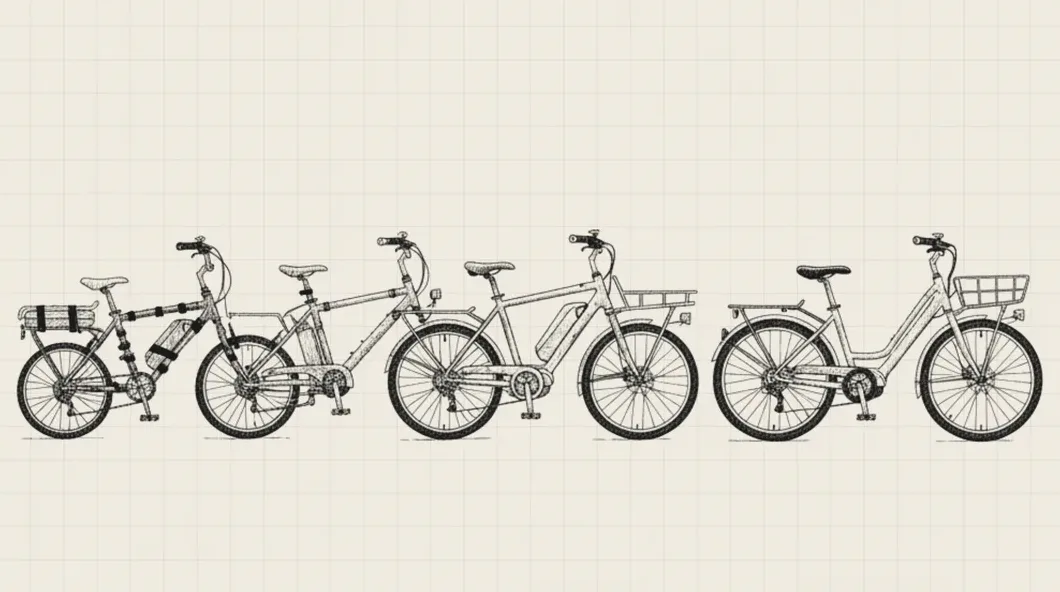
  • A line of electric bikes designed to enable longer, hillier commutes without physical strain, allowing riders to arrive fresh rather than exhausted. s4
  • Electric bike solutions that served as viable car replacements for moving people and goods across urban landscapes. s3s7
Illustration: Channels
Channels 3 / 7
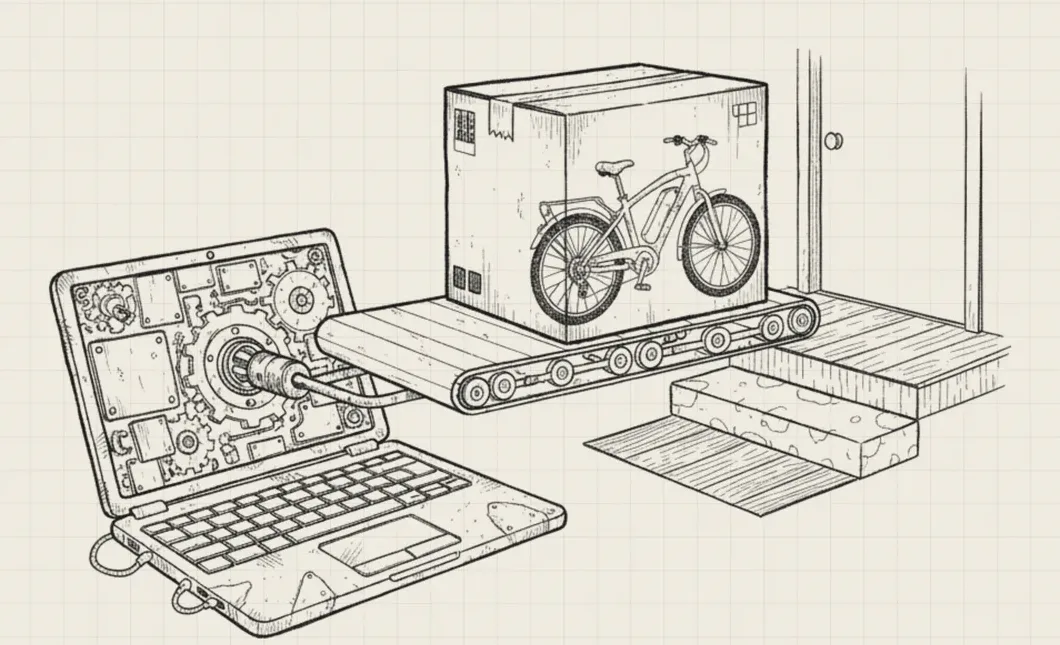
It reached riders direct-to-consumer, growing from neighbors asking to have their bikes motorized into word-of-mouth and media coverage on NPR's 'How I Built This' and TechCrunch.
  • Direct-to-consumer sales model leveraging e-commerce expertise from early investors with backgrounds at Zulily and Blue Nile. s2
  • Early customer acquisition through word-of-mouth and local community networks, starting with neighbors requesting bike motorization services. s4
  • Media presence through major outlets including NPR's 'How I Built This' podcast and TechCrunch coverage to build brand awareness. s1s4
Illustration: Revenue
Revenue 4 / 7
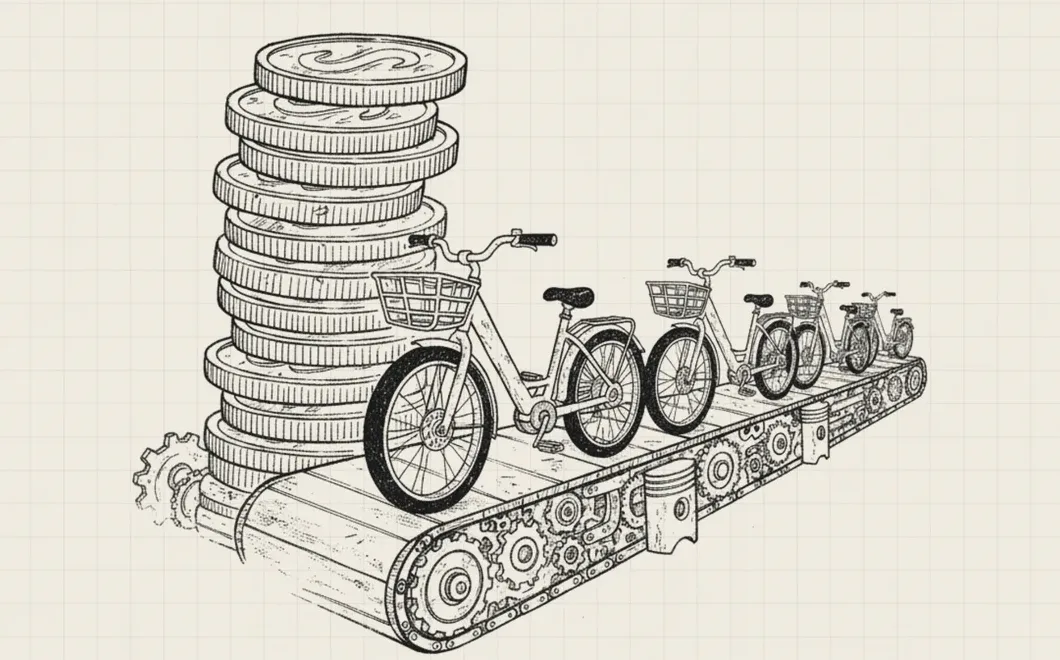
The company made its money on direct sales of electric bikes, reaching $100 million in revenue in 2019, later reaching beyond North America into European markets.
  • Direct sales of electric bikes to consumers, generating $100 million in revenue in 2019. s2
  • Expansion into European markets beyond the core North American customer base to drive additional revenue growth. s3s8
Illustration: Costs
Costs 5 / 7
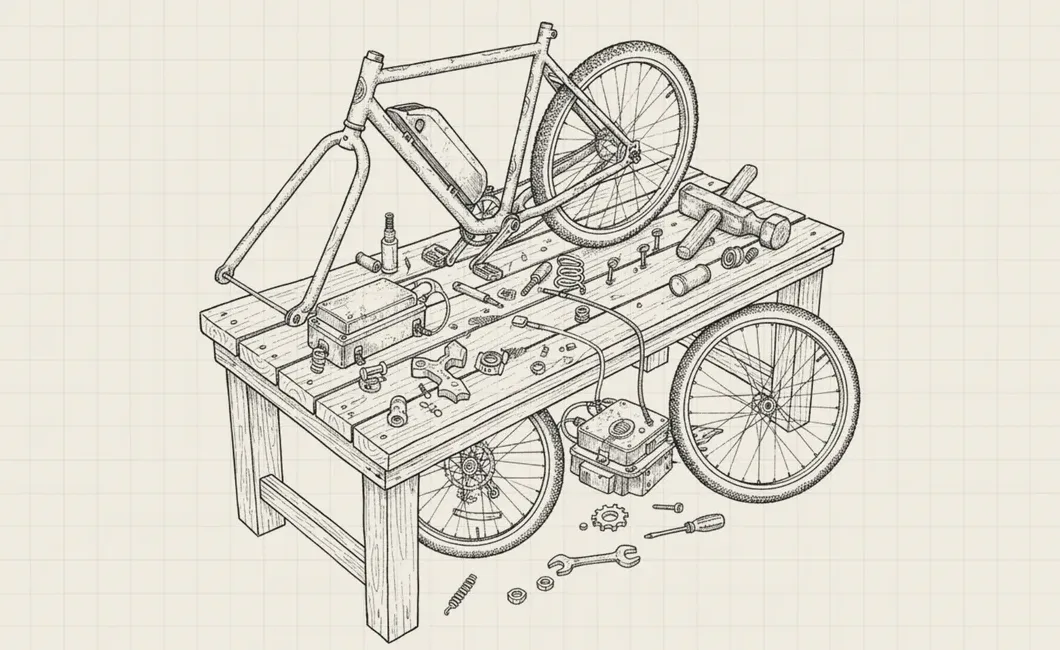
As a direct-to-consumer hardware company, it carried manufacturing and sourcing costs, backed by more than $329 million raised — yet financial strain ultimately led to Chapter 11 bankruptcy protection in late 2025.
  • Hardware manufacturing and sourcing costs for electric bike components and assembly as a direct-to-consumer hardware company. s1s2s4
  • Significant financial challenges ultimately led to Chapter 11 bankruptcy protection in late 2025, indicating cost structure issues relative to revenue. s2s5s6
  • Capital requirements supported by more than $329 million in total financing raised since inception, including a $154 million round in October 2021. s2s3
Illustration: Key metrics
Key metrics 6 / 7
What proved it worked: North America's largest e-bike brand, $100 million in 2019 revenue and a $1.65 billion valuation with unicorn status in October 2021.
  • Revenue reached $100 million in 2019, demonstrating significant scale for a direct-to-consumer hardware startup. s2
  • Company valuation of $1.65 billion and unicorn status achieved in October 2021, making it the most funded electric bike company in the world. s2s3
  • Market position as North America's largest e-bike brand and largest seller of e-bikes. s3s6s8
Illustration: Unfair advantage
Unfair advantage 7 / 7
No one could copy Radenbaugh's origin story — building his first e-bike at 15 in 2007 — nor the early-mover lead that scaled it into the continent's largest e-bike brand.
  • Founder's authentic origin story dating back to 2007 when Radenbaugh built his first e-bike at age 15, creating deep domain expertise and brand credibility. s1s4
  • Early mover advantage in the North American e-bike market, scaling to become the continent's largest e-bike brand. s3s6s8
  • Strong investor backing from e-commerce and direct-to-consumer experts including former Zulily and Blue Nile executives, plus later-stage funding from Fidelity. s2s3
The receipts

Every claim, tethered to a real source

  1. s1Rad Power Bikes founder Mike Radenbaugh on fueling the e-bike revolution | TechCrunch — https://techcrunch.com/2021/10/14/rad-power-bikes-founder-mike-randenbaugh-on-fueling-the-e-bike-revolution/
  2. s2The rise and fall of Rad Power Bikes: From breakout success to the brink of shutdown – GeekWire — https://www.geekwire.com/2025/boom-and-bust-how-rad-power-bikes-went-from-breakout-success-to-the-brink-of-shutdown/
  3. s3Investors Double Down on Rad Power Bikes with $154 Million Investment | Rad Power Bikes Newsroom — https://press.radpowerbikes.com/203860-investors-double-down-on-rad-power-bikes-with-154-million-investment-making-it-the-most-funded-electric-bike-company-in-the-world/
  4. s4Rad Power Bikes: Mike Radenbaugh | NPR How I Built This — https://www.npr.org/2020/09/03/909371502/rad-power-bikes-mike-radenbaugh
  5. s5Life Electric Vehicles set to acquire Rad Power Bikes for $13.2 million | Bicycle Retailer and Industry News — https://www.bicycleretailer.com/industry-news/2026/01/27/life-electric-vehicles-set-acquire-rad-power-bikes-132-million
  6. s6Rad Power Bikes brand will live on as Life EV completes acquisition | GeekWire — https://www.geekwire.com/2026/rad-power-bikes-brand-will-live-on-as-life-ev-completes-acquisition-of-seattle-e-bike-makers-assets/
  7. s7Mike Radenbaugh - Founder @ Rad Power Bikes | Crunchbase — https://www.crunchbase.com/person/mike-radenbaugh
  8. s8Media kit: Mike Radenbaugh, Founder & Chairman | Rad Power Bikes Newsroom — https://press.radpowerbikes.com/assets/225792/