Act One
How Tubi came to be
First the arc at a glance, then the story in 10 drawn beats.
The founder story of Farhad Massoudi, in 10 beats — then how the business actually works.
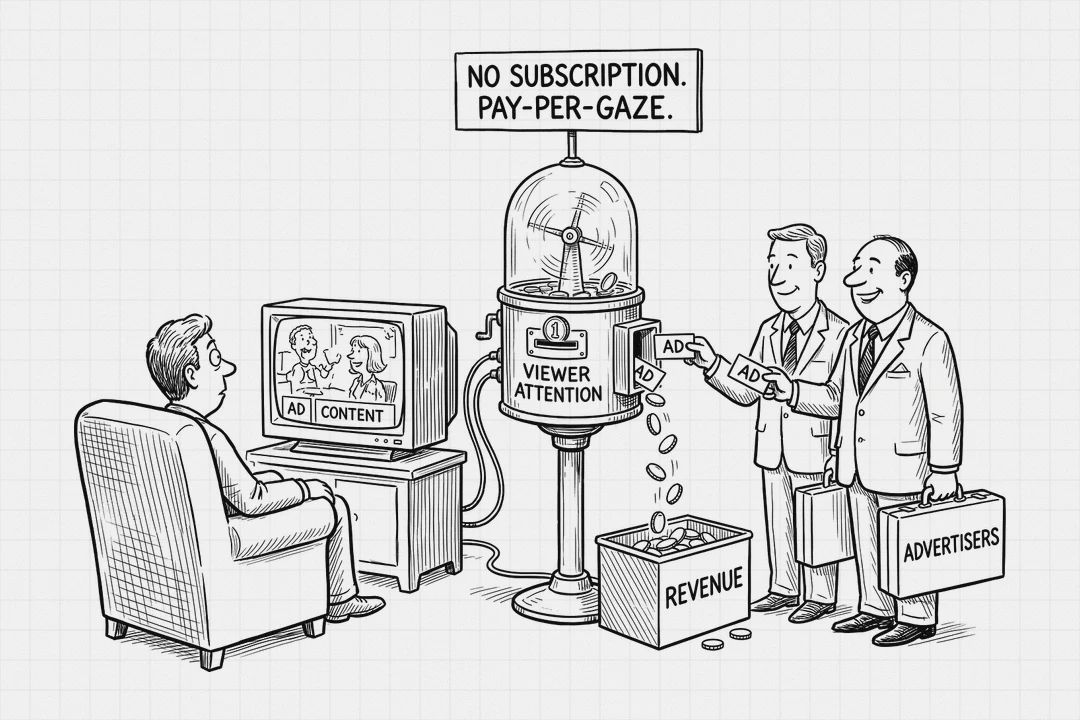
Welcome to the open-source case for Tubi. This is the story of a company that bet early on a simple, radical idea: that as TV channels gave way to TV apps, premium entertainment could be made accessible to everyone for free—no subscription, no barrier, just advertising revenue earned only while viewers are actively watching. Founder Farhad Massoudi saw that shift coming before most people could imagine it, and built what became the largest free on-demand streaming service in the United States, with over 250,000 TV episodes and movies for cord-cutters and younger, diverse audiences. To understand how it all fits together, we trace four lenses: the Founder Story of how Massoudi turned a vision of disrupted TV advertising into a company; the Golden Circle of why Tubi believes entertainment should never be gated by ability to pay; the Lean Canvas of how it operates and earns from advertising rather than fees; and the Empathy Map of who it serves, from cost-conscious Millennial cord-cutters like Maya to the 77% who don't have cable.
First the arc at a glance, then the story in 10 drawn beats.
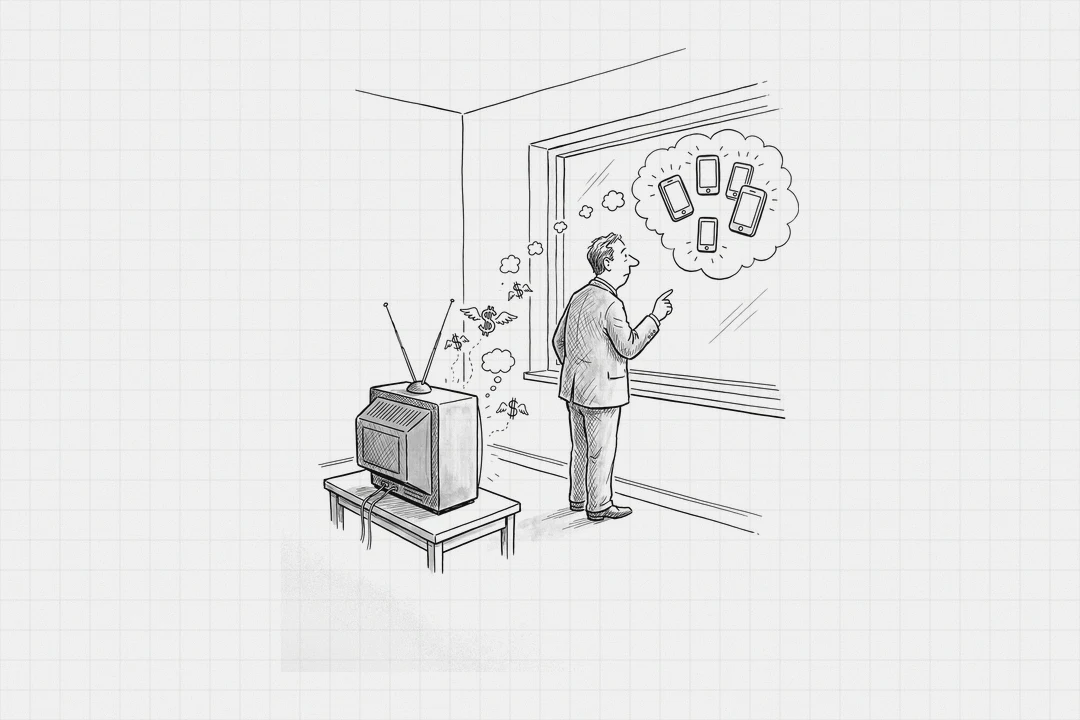
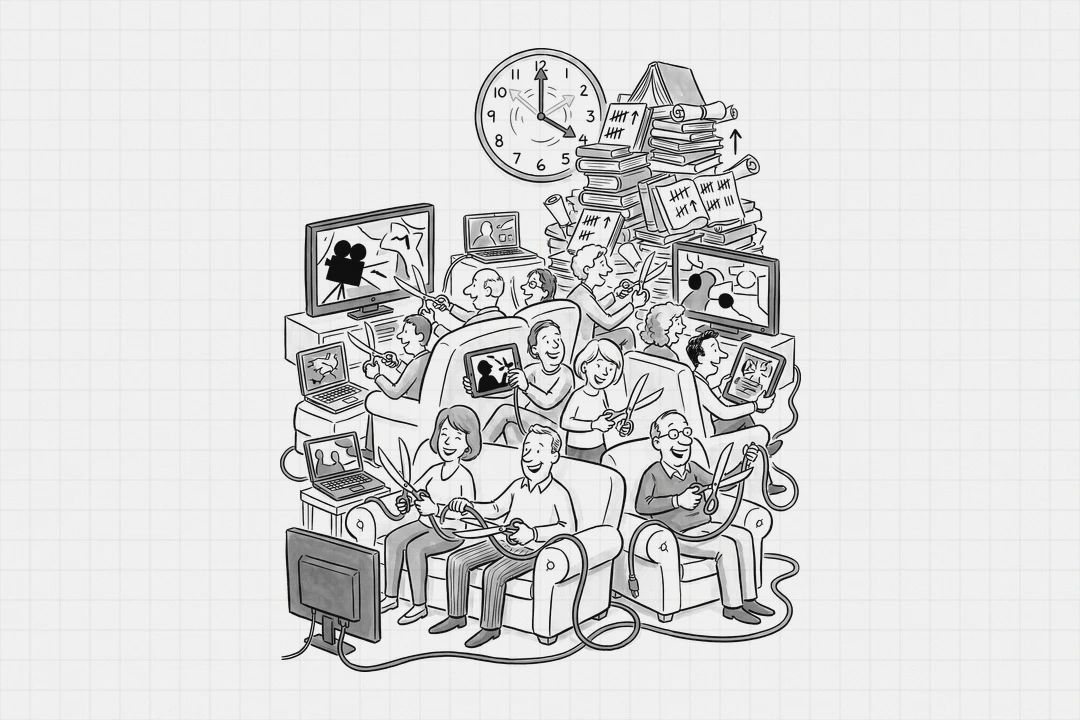
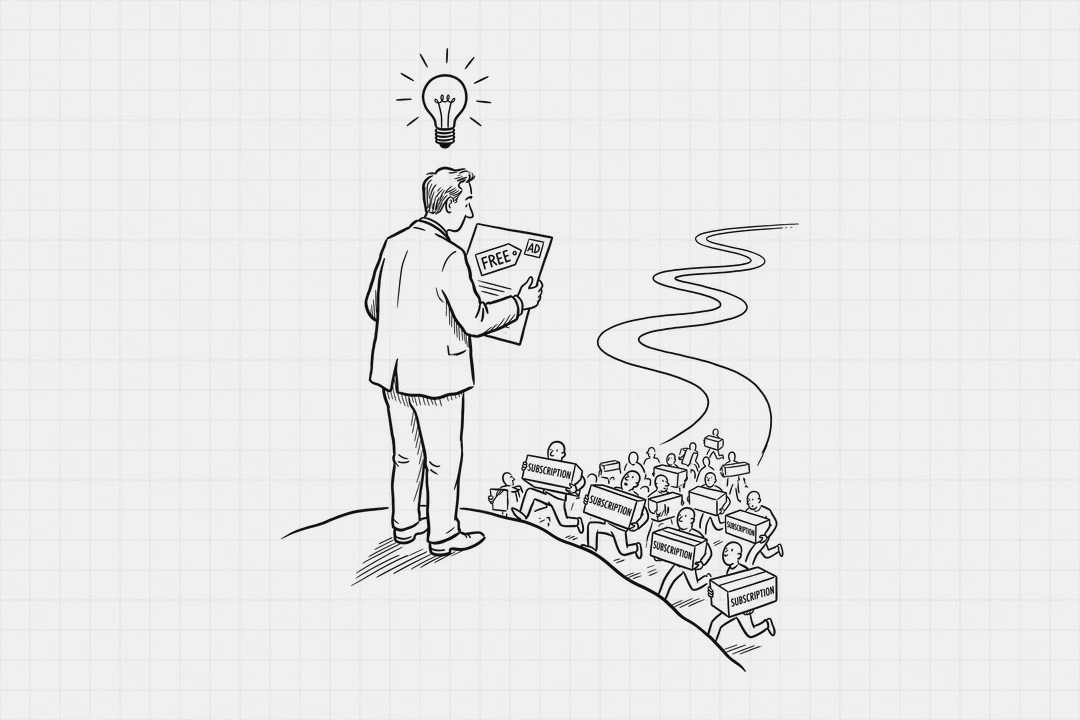
Massoudi foresaw TV channels giving way to apps and ad-supported streaming disrupting the industry. s1s2
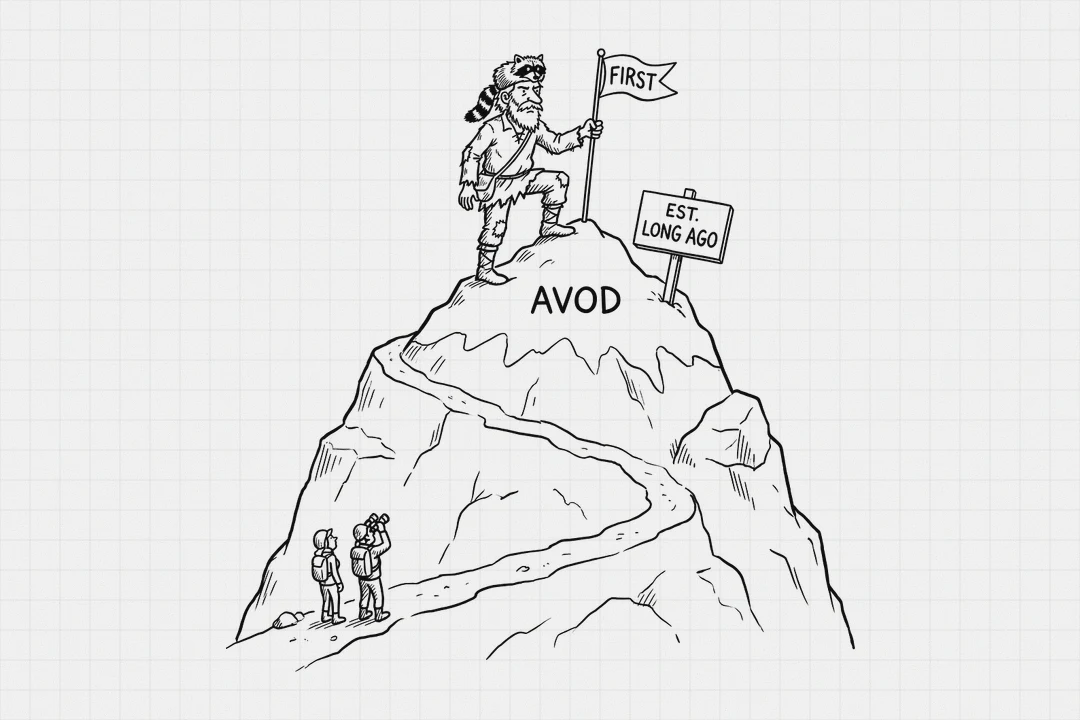
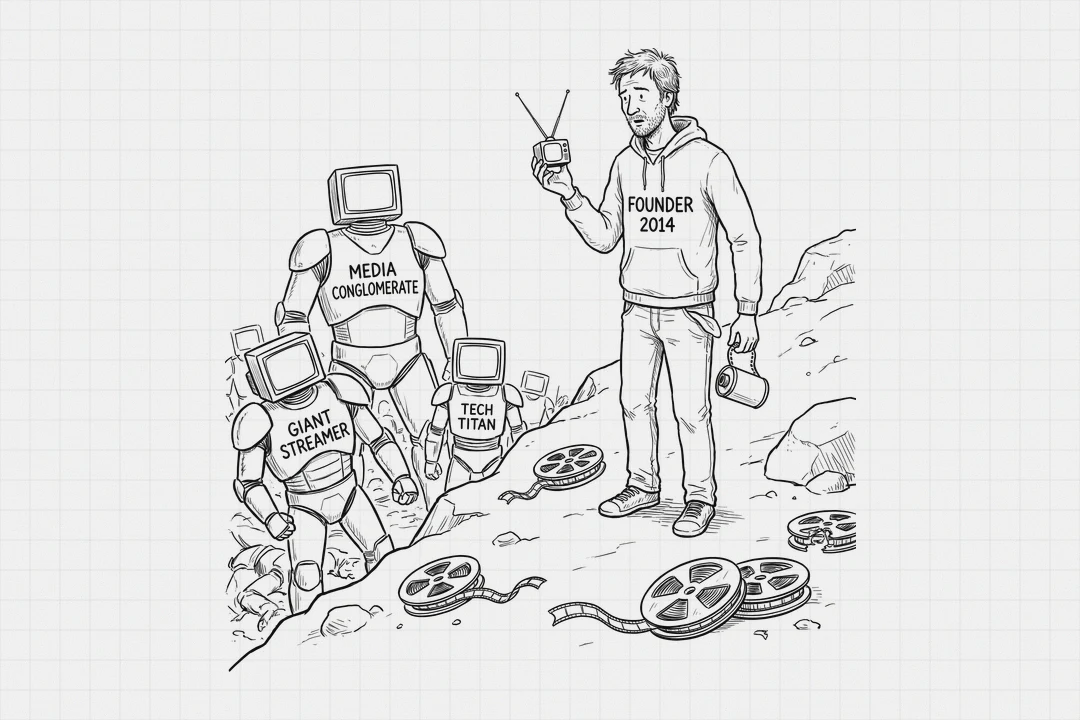
In 2014 he launched Tubi on a free, ad-supported model with little funding and no recognizable content. s2s3s4
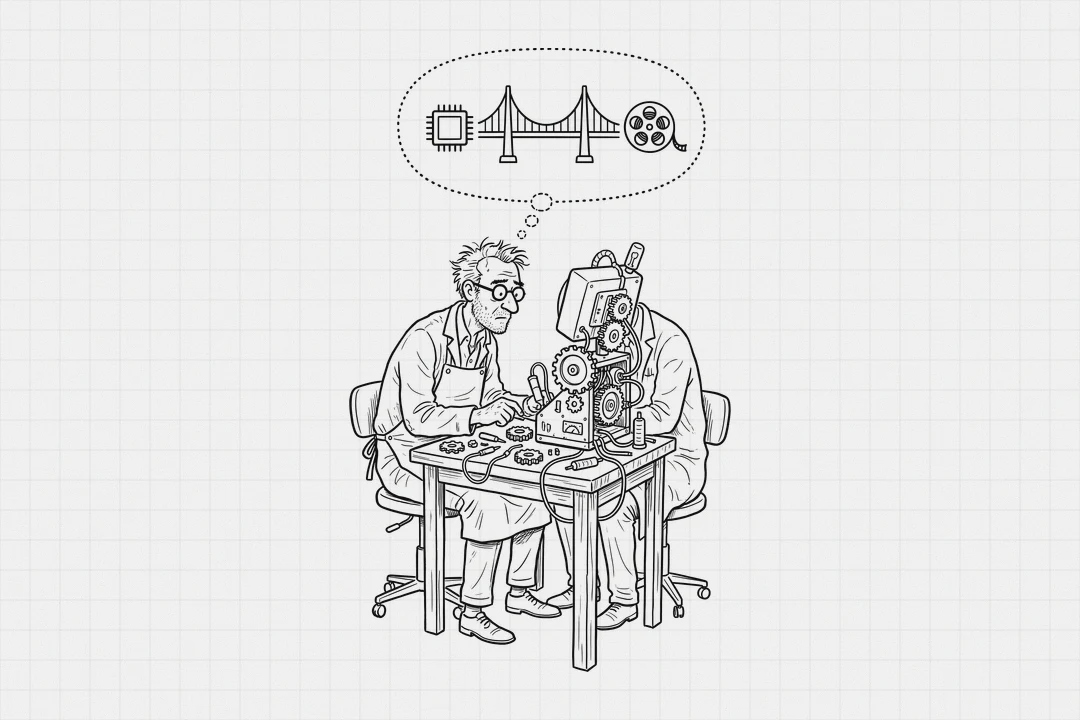
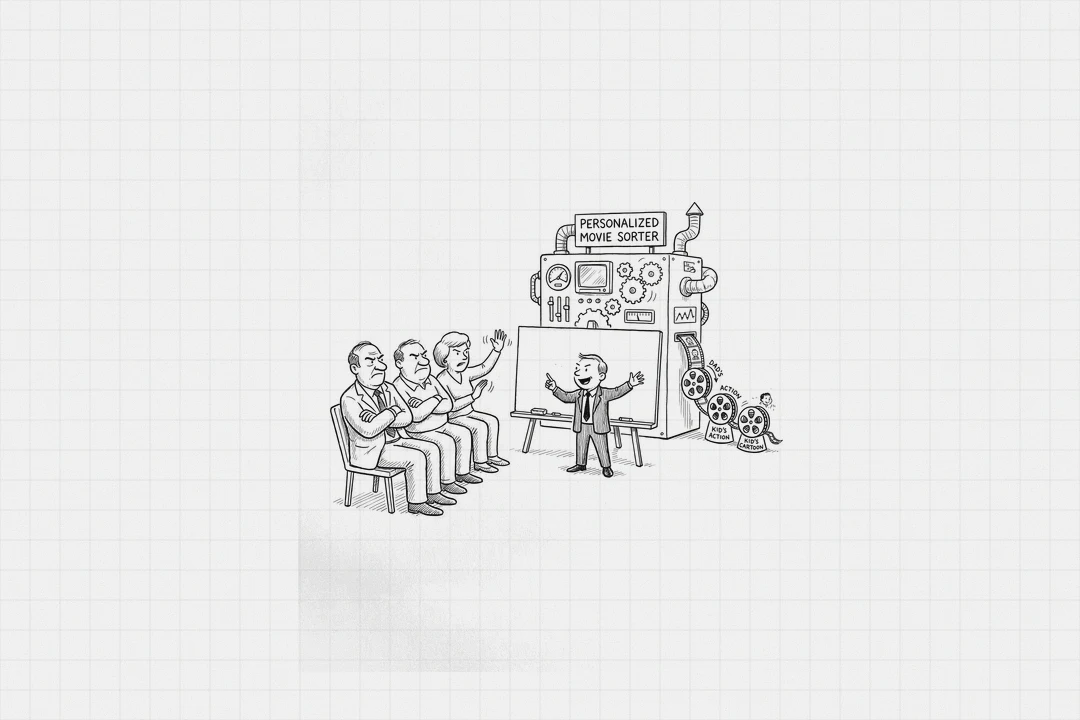
Capital was hard to raise, but he persisted and built Tubi's proprietary personalization engine. s1s2
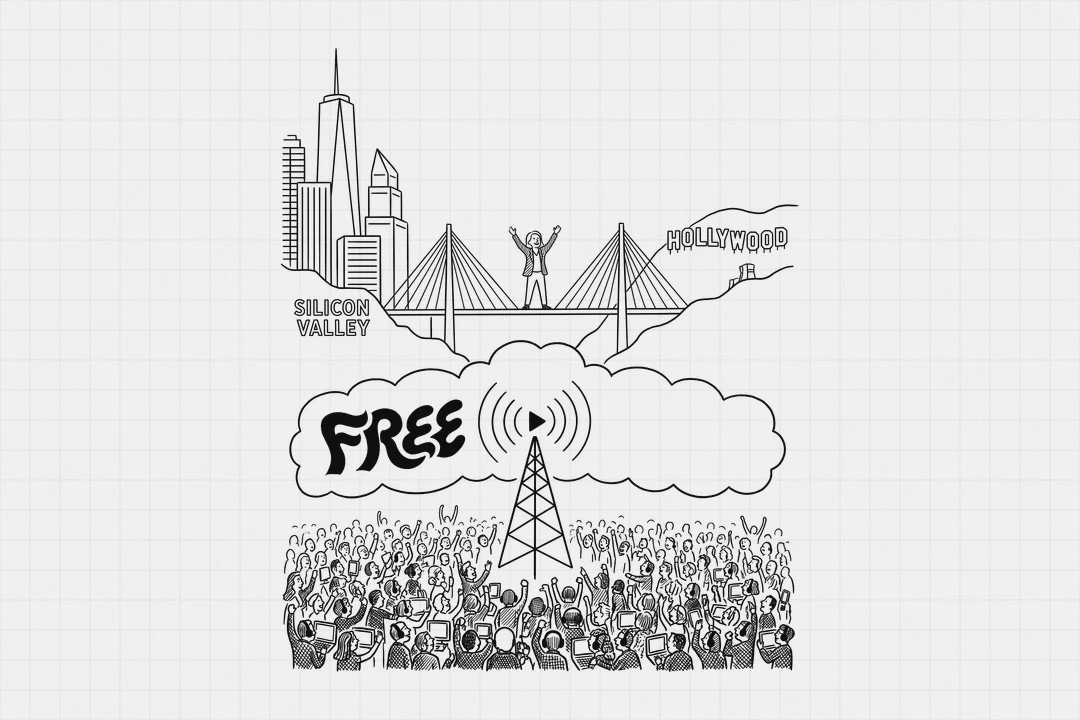
Free entertainment drew a huge audience, driving over 160 million viewing hours a month. s3s4s5
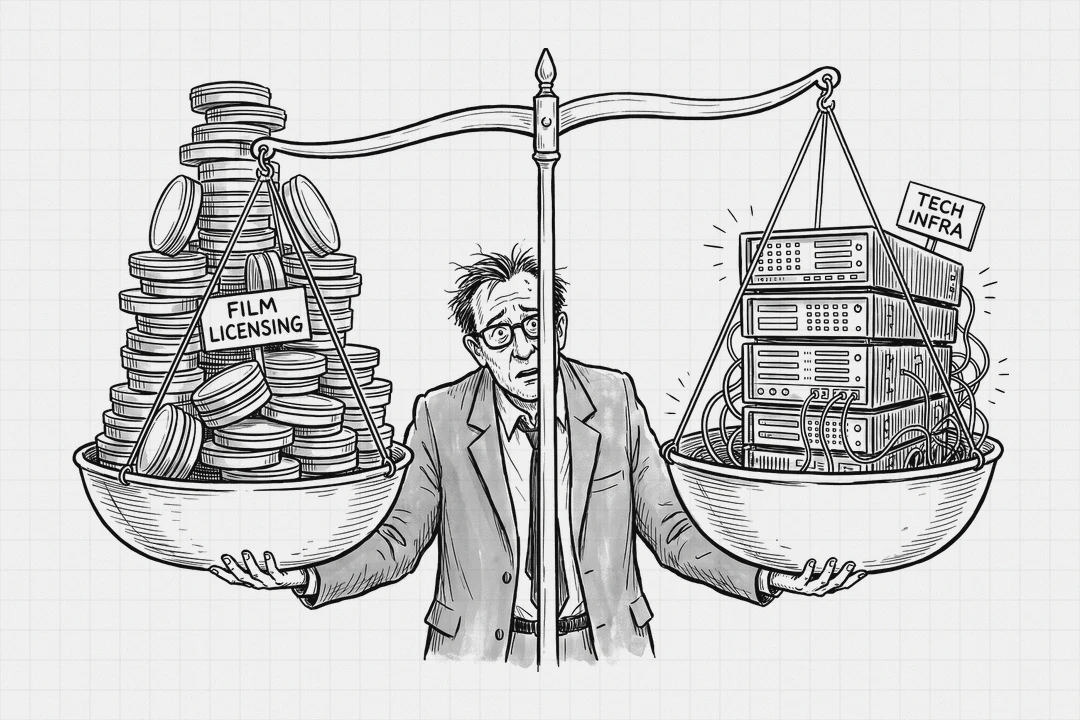
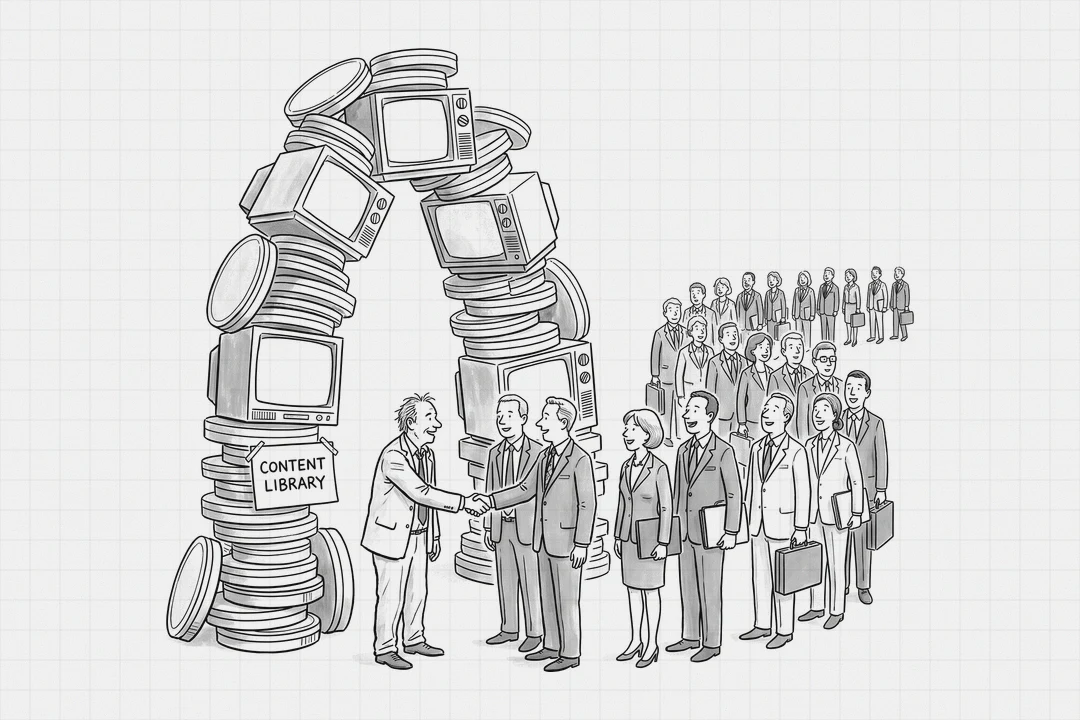
Studio deals built a library dwarfing Netflix's, passing 1,000 advertisers and Fortune 100 brands. s2s3s4s8
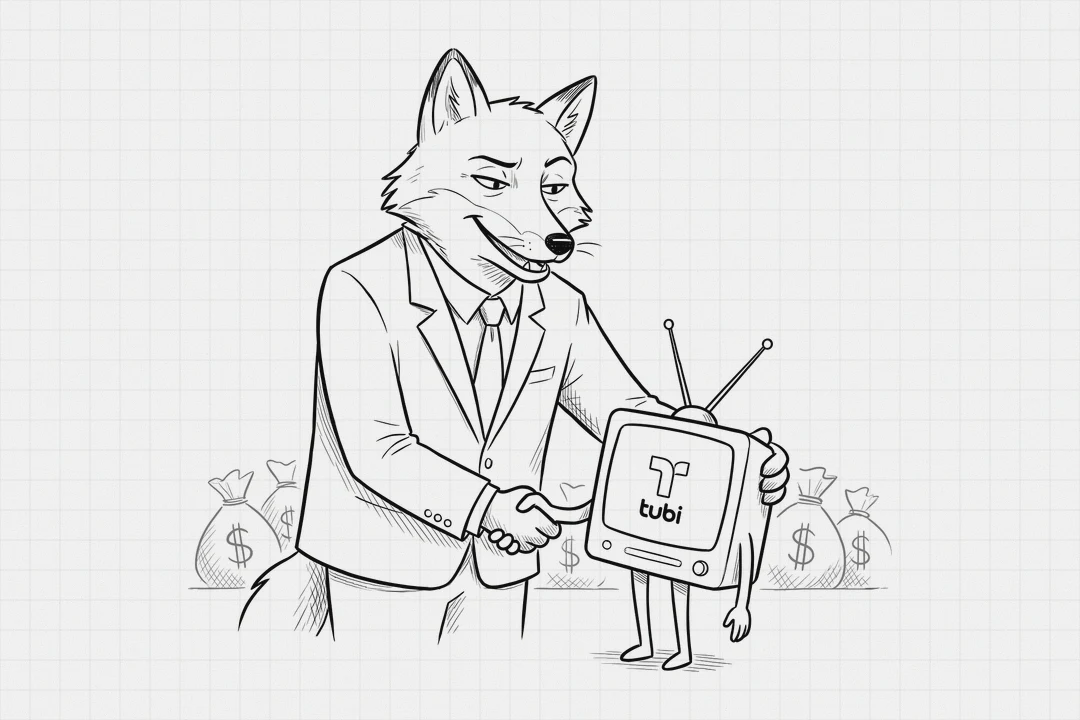
In 2020 Fox acquired Tubi for about $440 million, validating the vision at $150M revenue. s5s7s8
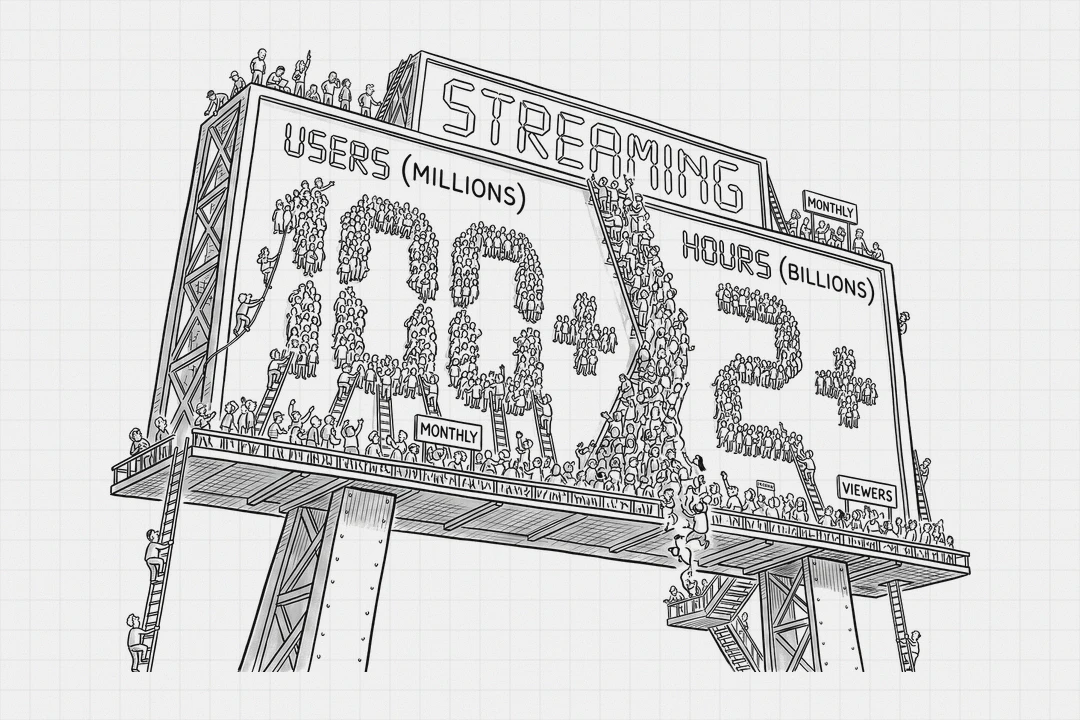
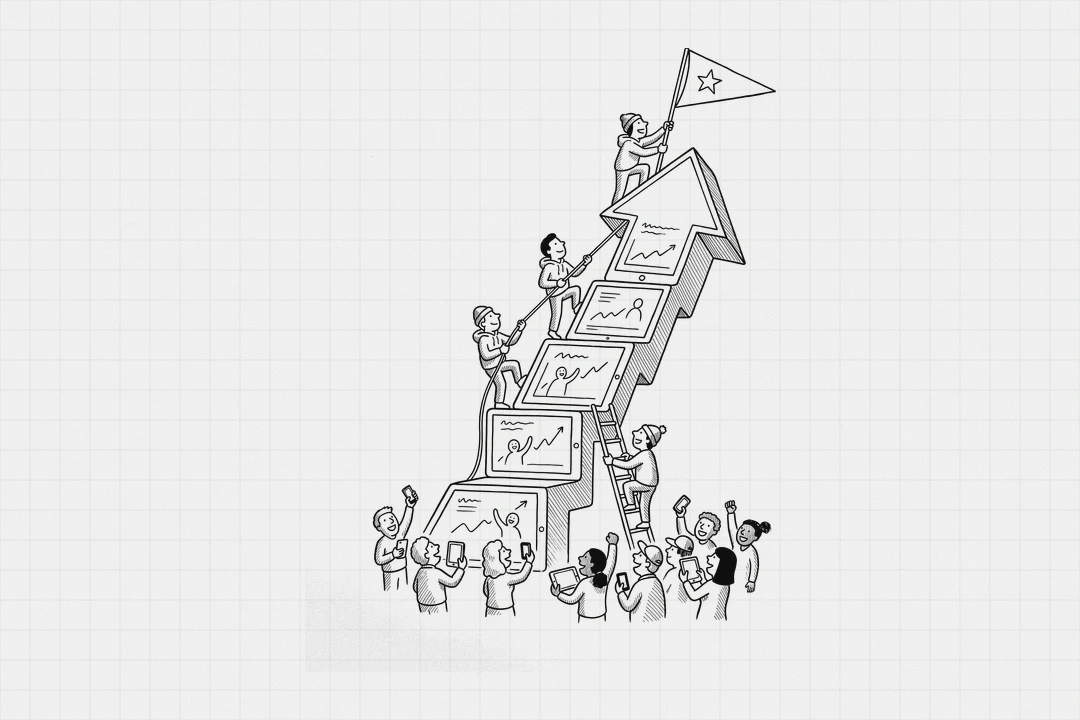
Now 100M+ monthly users and 10B hours streamed, Tubi nears $1B in ad revenue as Fox's streaming answer. s6s7s8
Start at the belief at the center — then the circle zooms out through the method and the offer.
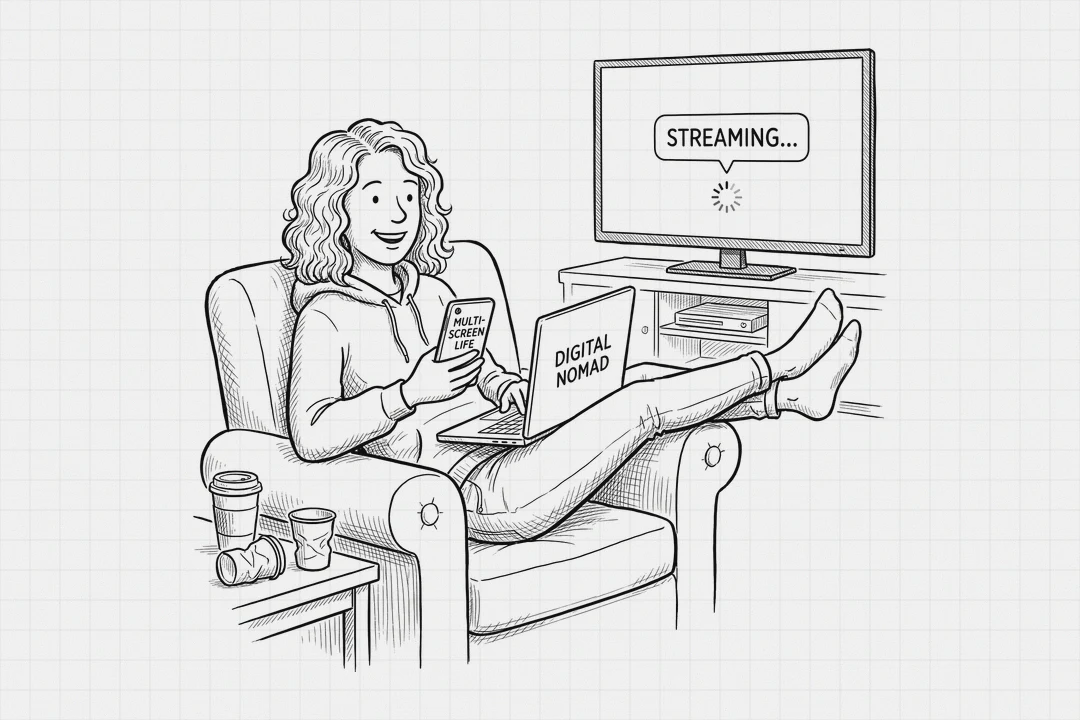
Step into one customer’s world — the person the whole business is built around.
The business model in seven moves — each one drawn, each one cited.