Act One
How Vercel came to be
First the arc at a glance, then the story in 10 drawn beats.
The founder story of Guillermo Rauch, in 10 beats — then how the business actually works.
Welcome to the open-source case for Vercel. What makes this story worth the treatment is its through-line: a passion that began when a 13-year-old in Argentina, Guillermo Rauch, started building websites and products for clients around the world—an early love for open-source that grew into a platform empowering developers to build better. Vercel believes in enabling developers to achieve ambitious visions without being overwhelmed, raising the bar for web development while making world-class tools accessible to all. To make sense of that mission, this case reads Vercel through four lenses: the Founder Story traces Rauch's path from a teenage programmer to platform builder; the Golden Circle clarifies why the company exists and how it tells that story; the Lean Canvas maps how its commercial platform offerings for web development and deployment infrastructure make money and operate; and the Empathy Map brings to life who it serves—developers like Alex Chen, balancing bold product roadmaps with sustainable, reliable delivery.
First the arc at a glance, then the story in 10 drawn beats.
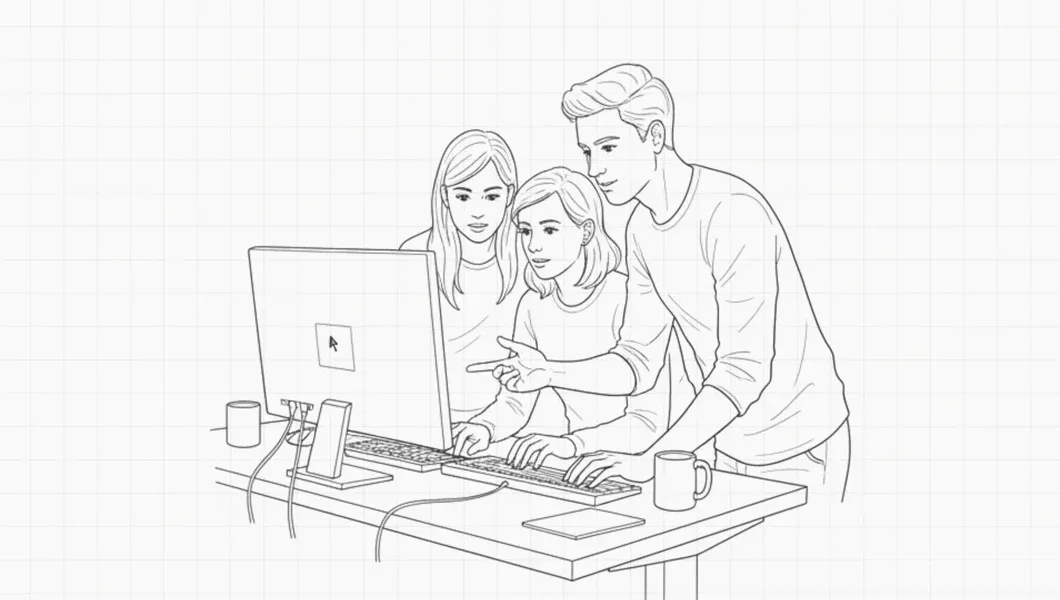
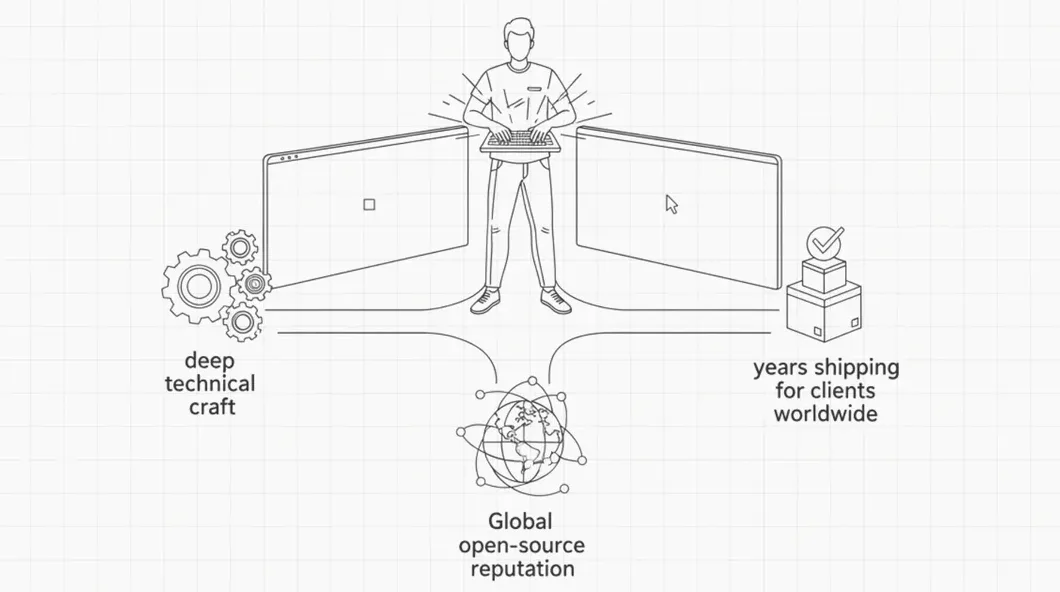
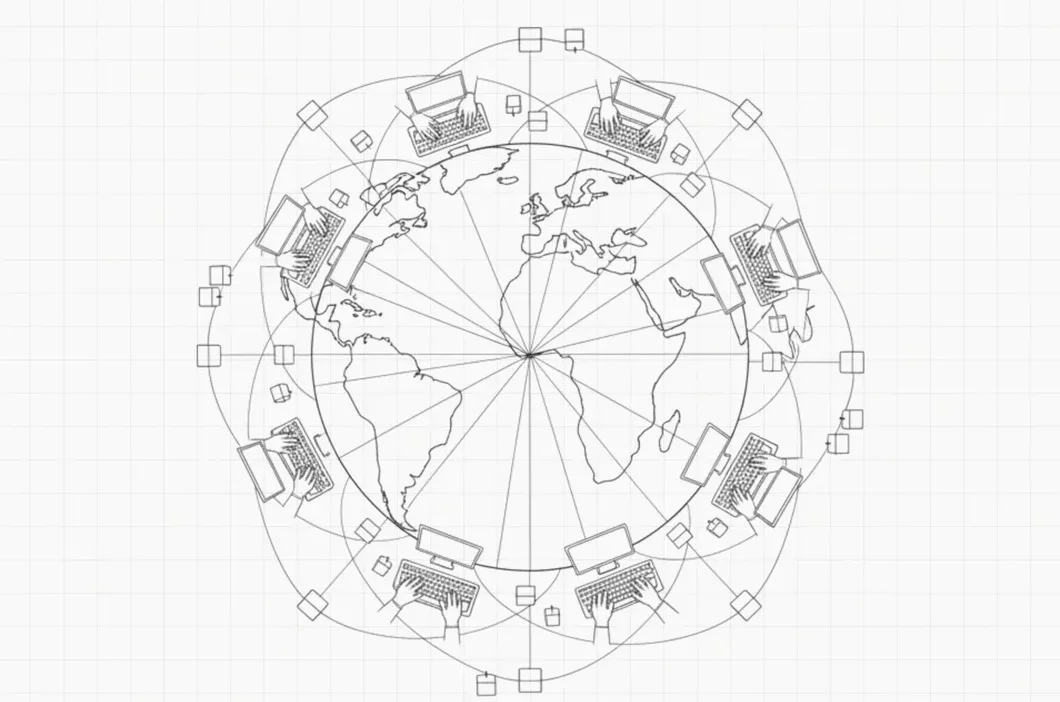
A 13-year-old Guillermo starts building websites for clients worldwide, hooked on open-source and code. s2
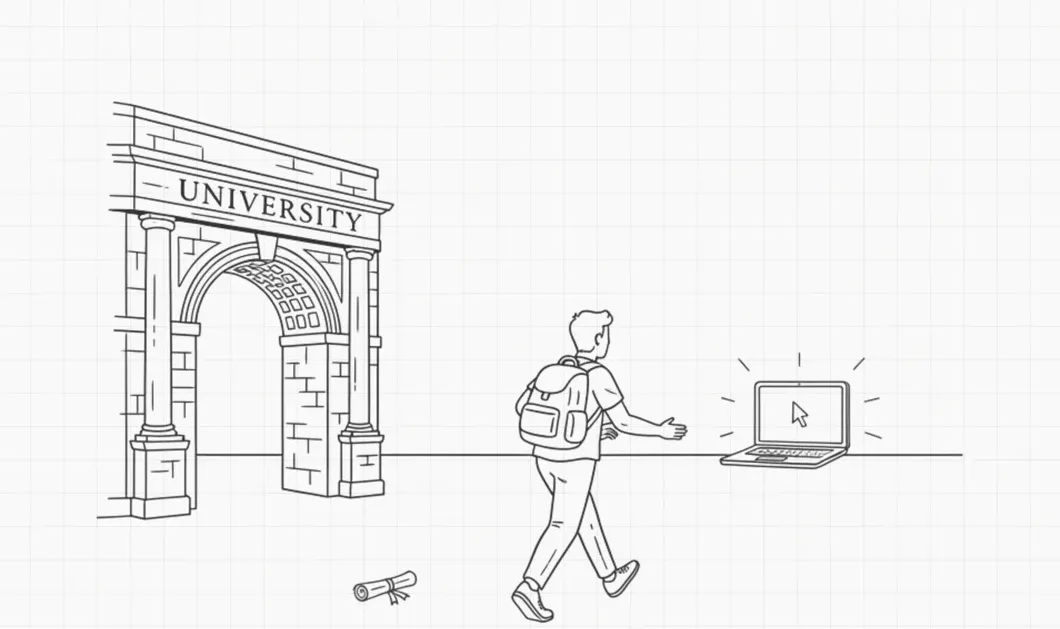
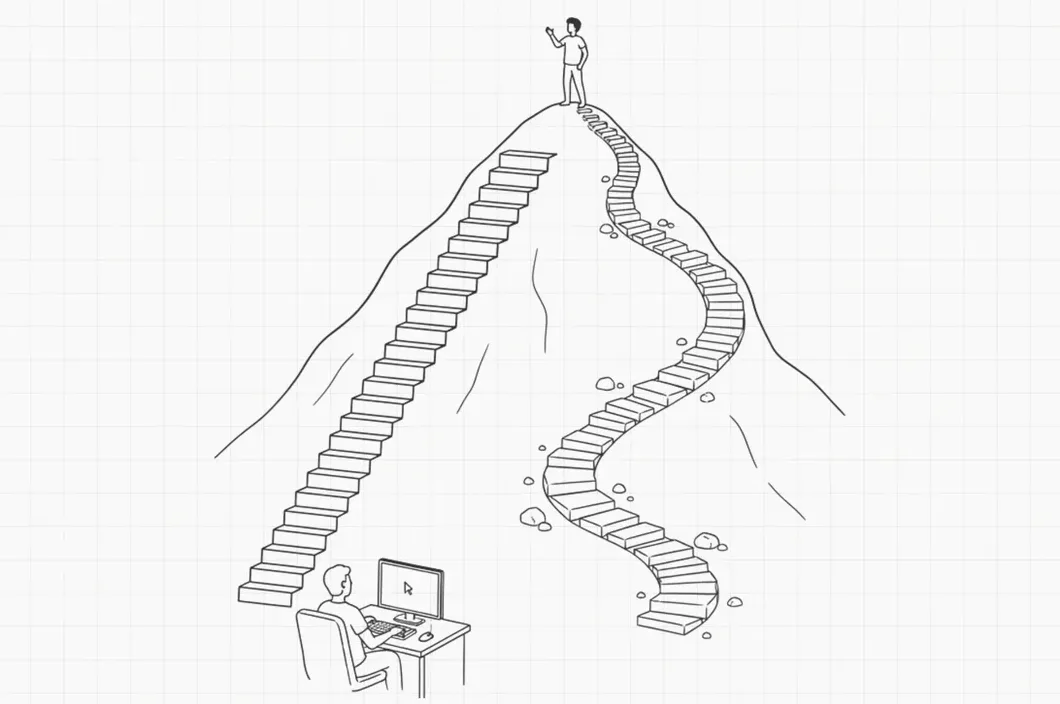
He bets everything on his craft, leaving high school to program full-time for real paying customers. s2
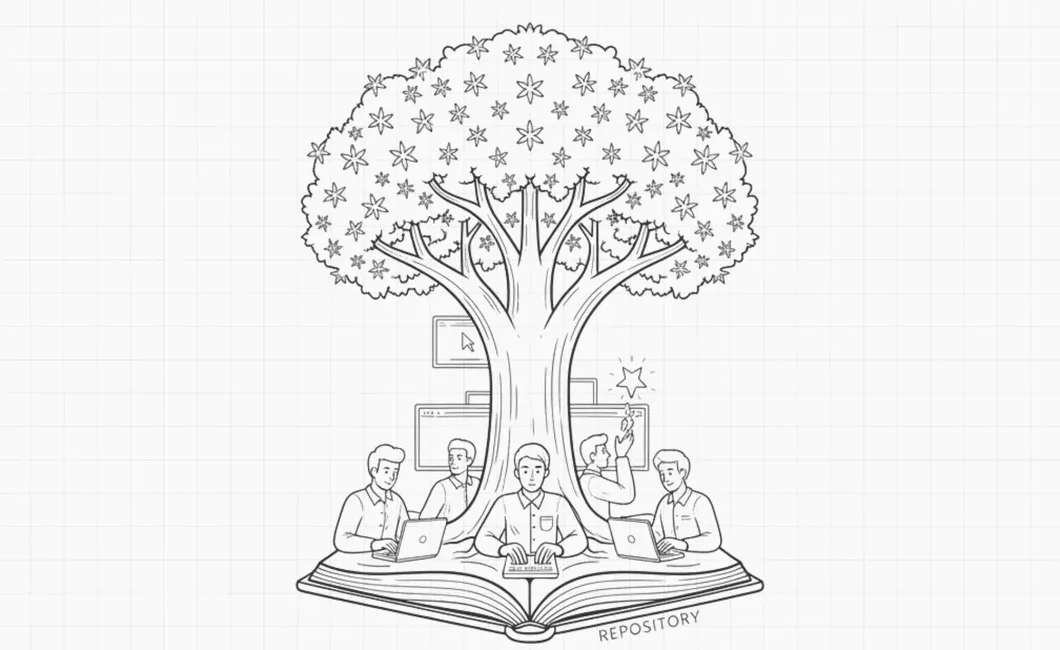
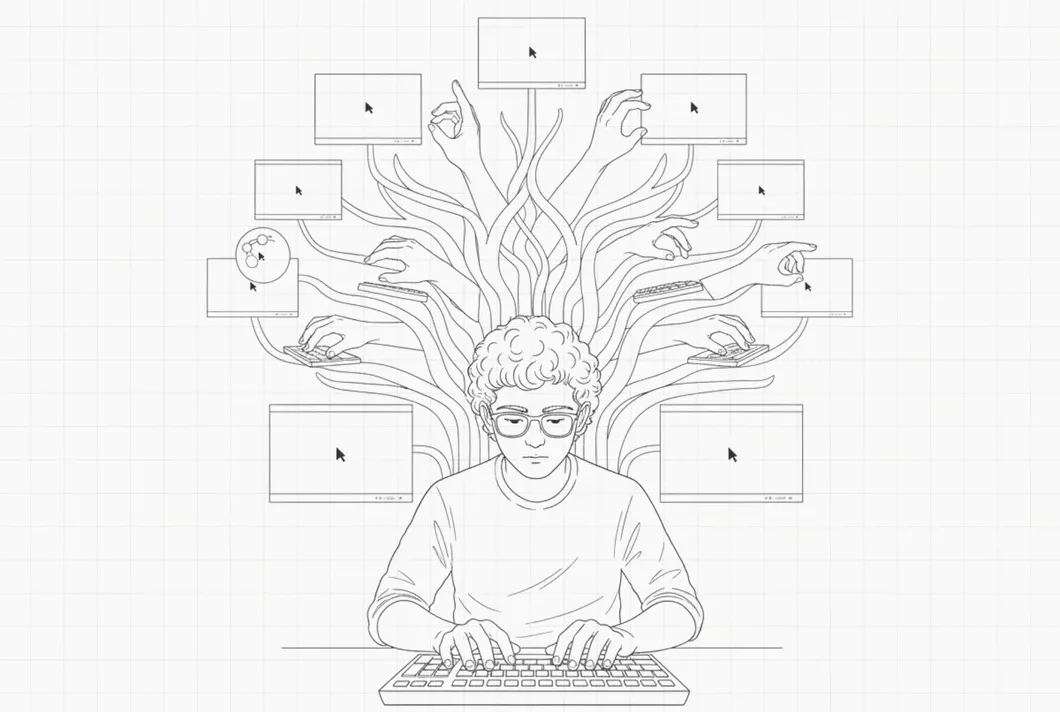
Immersing in open-source, he learns what developers truly need — the seed of his platform thinking. s2s6
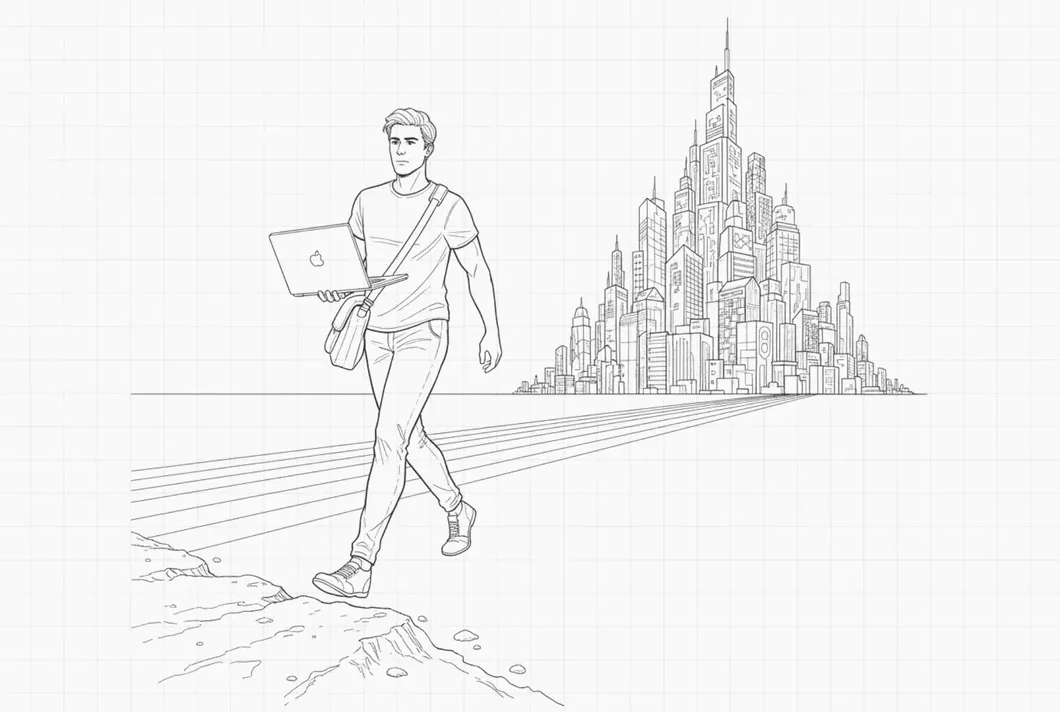
His reputation outgrows Argentina, carrying years of global experience and a vision for better web dev. s2
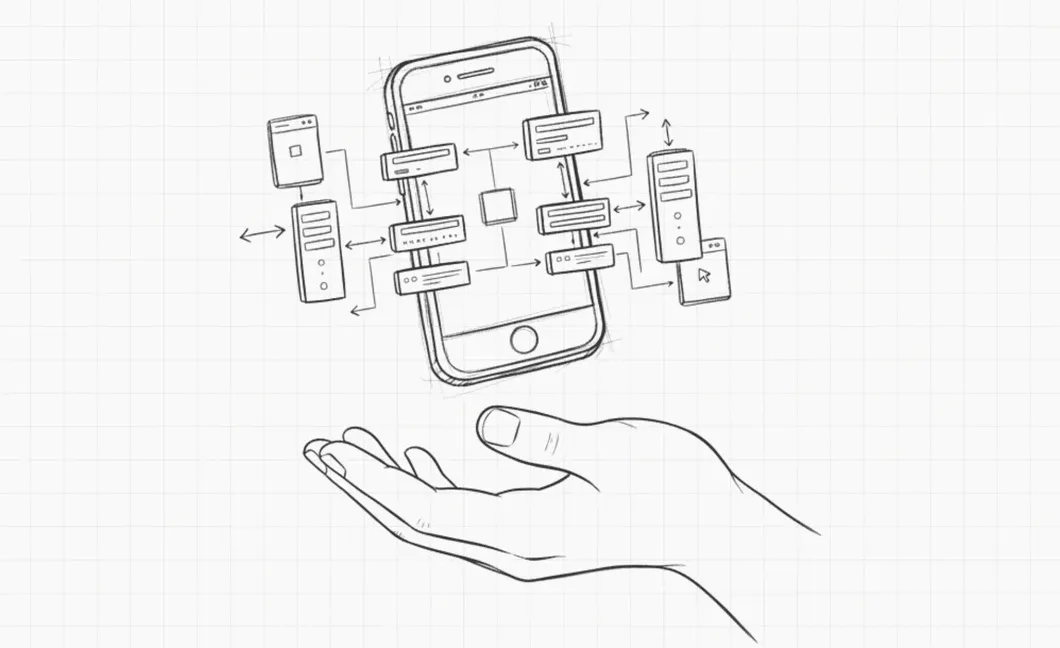
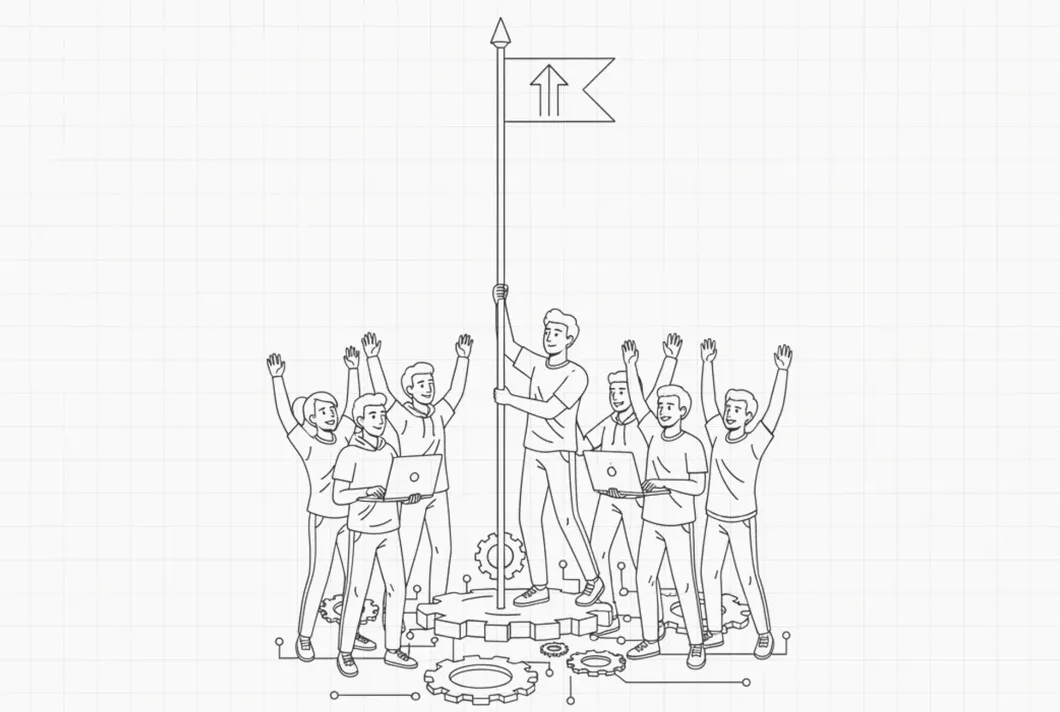
He starts Vercel on a philosophy: build bold visions, ship incrementally, raise the quality bar. s3s4
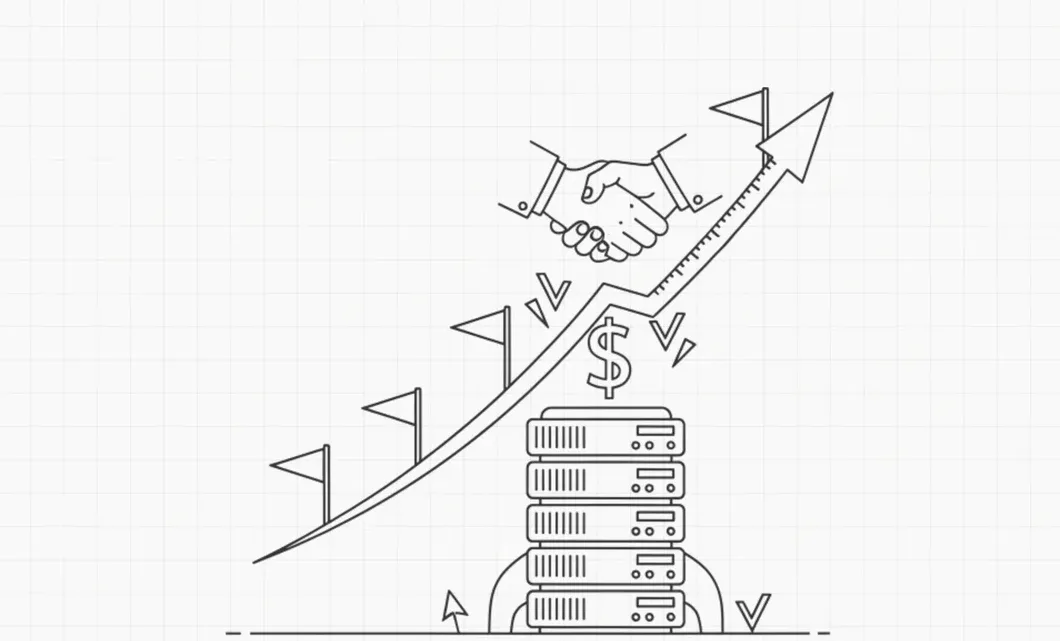
Vercel scales to a billion-dollar valuation, backed by GV and Accel — the dropout's bet pays off. s2s3s4s5
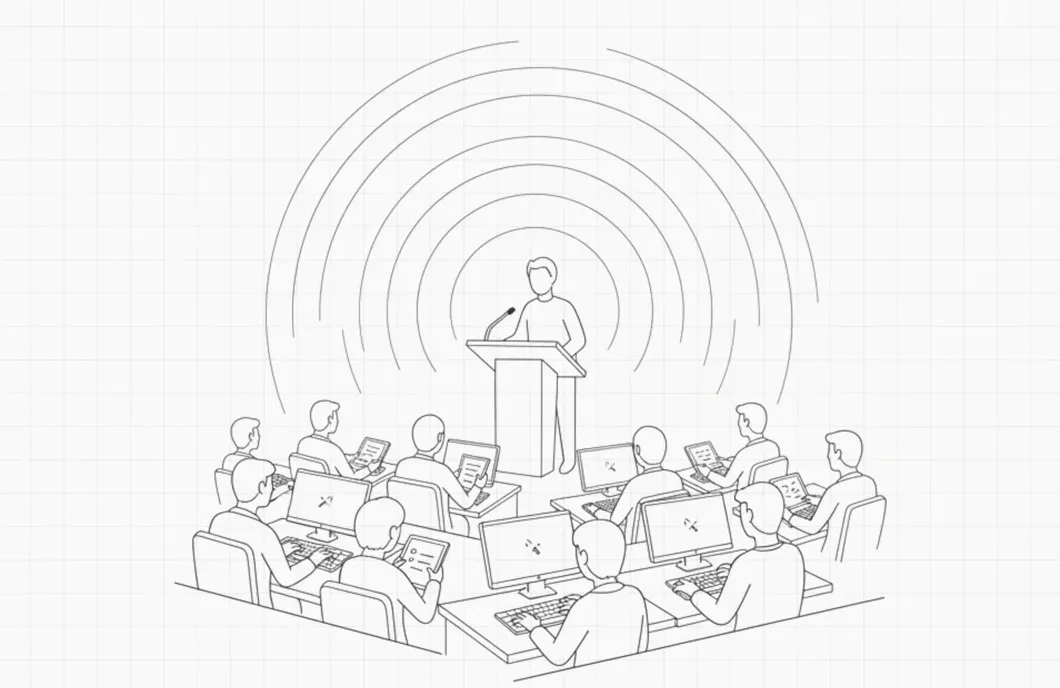
From 2020–2025 he leads the field, blending open-source community with reliable commercial delivery. s1s2s4s5s6


Start at the belief at the center — then the circle zooms out through the method and the offer.
Step into one customer’s world — the person the whole business is built around.

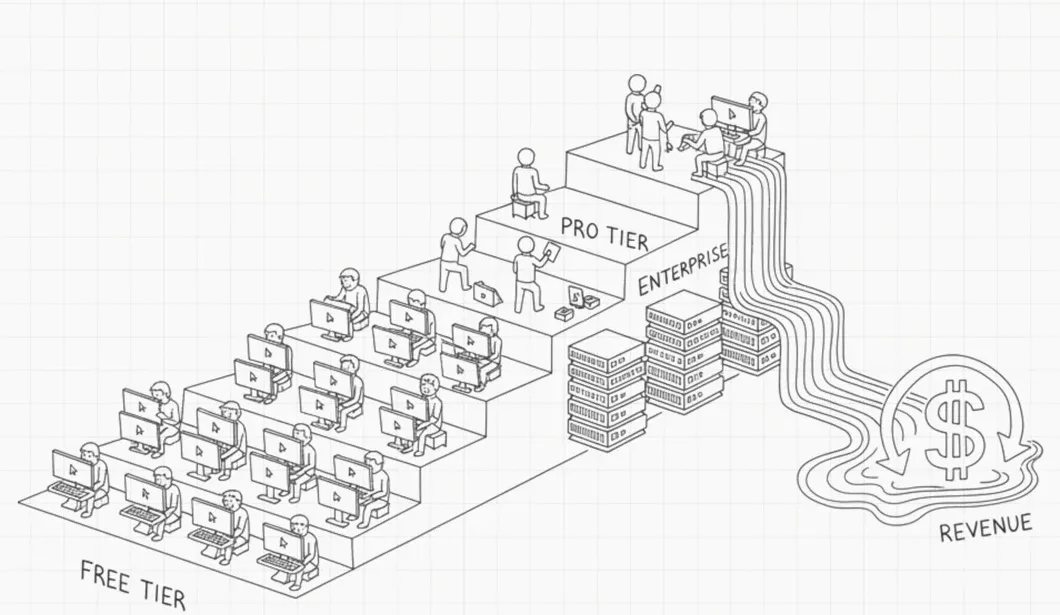
The business model in seven moves — each one drawn, each one cited.